

tin plate coil T5 vs TFS: Which Is Better for Your Cans?
2026-07-03
Choosing the wrong material for your can production can lead to costly quality issues, product contamination, and manufacturing inefficiencies that directly impact your bottom line. When selecting between tin plate coil T5 https://www.threefoodcan.com/tinplate-coil/tin-plate-coil-t5and Tin Free Steel (TFS), understanding their distinct properties becomes critical for optimizing your packaging operations. This comprehensive guide examines the key differences between tin plate coil T5 and TFS materials, helping you make informed decisions that ensure product integrity, cost efficiency, and superior performance in your can manufacturing process.
Understanding Tin Plate Coil T5: Properties and Applications
Tin plate coil T5 represents the extra-hard temper designation in the tinplate classification system, offering exceptional mechanical strength and rigidity for demanding packaging applications. This material consists of low-carbon steel coated with a thin layer of electrolytic tin, providing a robust combination of structural integrity and corrosion protection. The T5 temper classification indicates a Rockwell hardness range of 62 to 68 on the R30T scale, making it significantly harder and less flexible compared to softer tempers like T1 or T2. This extra hardness makes tin plate coil T5 particularly suitable for applications requiring resistance to buckling and deformation, such as large industrial containers, aerosol cans, and paint cans that must withstand internal pressure or rough handling during transportation. The manufacturing process for tin plate coil T5 involves precise temper rolling operations that establish the desired hardness level through controlled mechanical deformation. After cold rolling and annealing, the steel undergoes additional temper rolling to achieve the T5 hardness specification, followed by electrolytic tinning where a controlled layer of tin is deposited onto both surfaces. This tin coating typically ranges from 2.8/2.8 g/m² to 11.2/11.2 g/m², providing excellent corrosion resistance and a food-safe barrier that prevents the steel substrate from interacting with packaged contents. The tin coating also imparts superior weldability and solderability characteristics, essential features for three-piece can construction where can bodies require longitudinal seam welding. Furthermore, tin plate coil T5 offers outstanding formability despite its hardness, allowing manufacturers to produce complex can shapes through deep drawing, stamping, and forming operations while maintaining dimensional stability and structural strength throughout the fabrication process.
What Makes TFS Different from Tin Plate Coil T5?
Tin Free Steel (TFS), also known as Electrolytic Chromium Coated Steel (ECCS), emerged as an economical alternative to traditional tinplate in response to fluctuating tin prices and supply concerns. Unlike tin plate coil T5, which features a tin coating, TFS utilizes a thin layer of metallic chromium topped with chromium oxide to provide corrosion protection. This chromium-chromium oxide coating system typically measures much thinner than tinplate coatings, yet delivers impressive corrosion resistance when combined with appropriate organic coatings or lacquers. The absence of tin in TFS makes it more cost-effective while maintaining comparable mechanical properties to tinplate, with temper grades ranging from soft to extra-hard specifications similar to the T1-T5 classification system used for tinplate materials. The fundamental structural difference between TFS and tin plate coil T5 significantly affects their performance characteristics and suitable applications. TFS excels in paint adhesion and lacquer bonding due to its chromium oxide surface layer, making it ideal for applications requiring heavy internal or external coatings. However, TFS lacks the inherent weldability and solderability that tin provides, meaning TFS components typically require alternative joining methods such as adhesive bonding or mechanical seaming. This limitation makes TFS particularly well-suited for two-piece can construction and drawn-and-ironed (DRD) beverage cans where welding is not required. Additionally, TFS demonstrates excellent printability and accepts decorative coatings readily, though its natural appearance appears less bright and lustrous compared to the shiny, reflective surface of tin plate coil T5. When properly lacquered, TFS provides adequate protection for most food and beverage applications, though it is generally not recommended for highly acidic products with pH levels below 4.0 unless specialized protective coatings are applied.
Performance Comparison: Tin Plate Coil T5 versus TFS in Can Manufacturing
When evaluating tin plate coil T5 against TFS for specific can manufacturing applications, several critical performance factors determine which material delivers superior results. Corrosion resistance stands as a primary consideration, with tin plate coil T5 offering inherent protection through its sacrificial tin coating that provides cathodic protection to the steel substrate even if the coating is scratched or damaged. The tin layer actively prevents corrosion by corroding preferentially to the steel base, maintaining product integrity throughout the can's service life. TFS provides corrosion protection primarily through its chromium oxide barrier layer, which effectively seals the steel surface but requires complete coating coverage and typically necessitates additional organic lacquers for food contact applications. While both materials can achieve excellent corrosion resistance, tin plate coil T5 generally demonstrates superior performance in direct food contact scenarios without additional protective coatings.
Fabrication characteristics represent another crucial differentiator between tin plate coil T5 and TFS materials. Tin plate coil T5 maintains exceptional formability despite its extra-hard temper designation, allowing deep drawing operations for complex can shapes while retaining the ability to be welded using traditional electric resistance welding techniques for three-piece can body seams. This weldability proves invaluable for producing food cans, industrial containers, and other cylindrical packaging where longitudinal body seams require strong, leak-proof joints. Conversely, TFS exhibits outstanding paint adhesion properties that surpass tinplate, making it the preferred choice for applications requiring heavy decorative printing or protective coatings. TFS can be joined through mechanical seaming or adhesive bonding methods suitable for two-piece can ends and draw-and-iron can bodies, though these joining techniques differ significantly from the welding processes used with tin plate coil T5. From an economic perspective, TFS typically costs less per ton than tin plate coil T5 due to the elimination of expensive tin coating processes, though this price advantage must be weighed against application-specific performance requirements and potential additional costs for specialized lacquers or alternative joining methods.
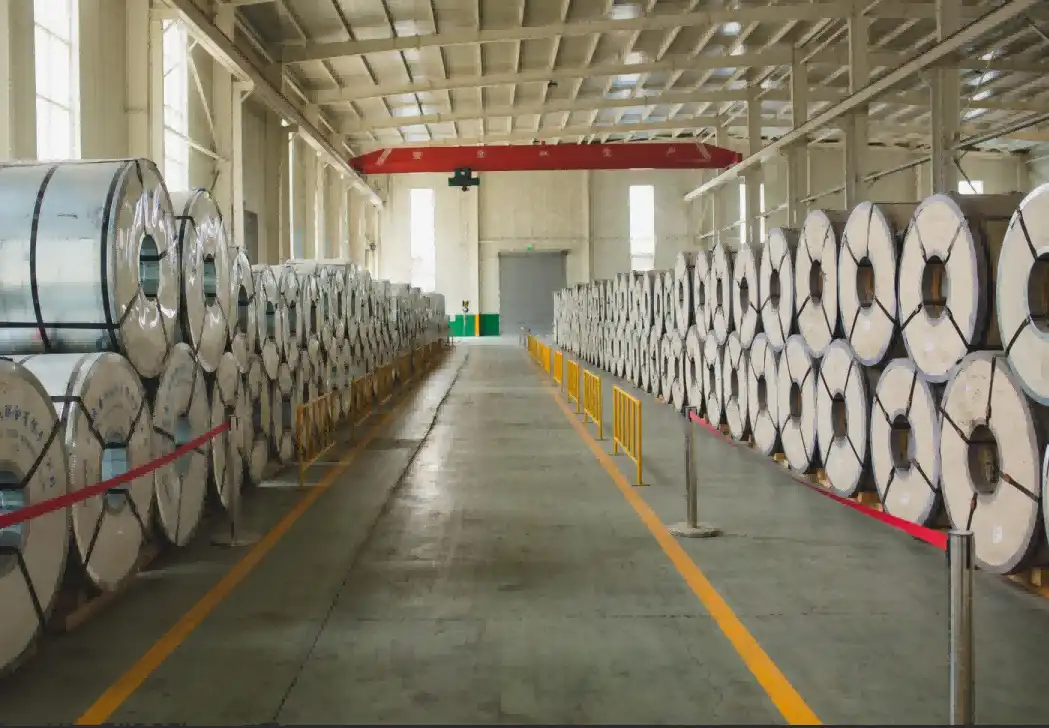
Selecting the Right Material: Application-Specific Considerations
Determining whether tin plate coil T5 or TFS better serves your can manufacturing needs requires careful evaluation of your specific product requirements, production processes, and end-use conditions. Tin plate coil T5 emerges as the optimal choice for three-piece cans requiring welded body seams, such as food cans for vegetables, fruits, meat products, and seafood where direct food contact demands the superior barrier properties and food safety credentials of tin coating. The inherent corrosion resistance and cathodic protection offered by tin plate coil T5 make it particularly suitable for products with moderate to high acidity levels, extended shelf life requirements, or applications where minimal internal coating is preferred to reduce costs and maintain traditional packaging characteristics. Additionally, tin plate coil T5 serves ideally for aerosol containers, paint cans, and chemical packaging where internal pressure resistance and robust mechanical strength provided by the T5 temper are essential for product safety and performance.
TFS represents the superior selection for two-piece beverage cans, bottle caps, crown closures, and easy-open can ends where weldability is not required but excellent paint adhesion and coating compatibility are paramount. The cost advantages of TFS make it economically attractive for high-volume production of standardized products like beverage cans where lacquer application is standard practice and the chromium coating provides adequate corrosion protection when properly coated. TFS also excels in decorative tin applications such as gift boxes, artistic containers, and promotional packaging where heavy exterior printing and decorative finishes benefit from TFS's superior paint adhesion characteristics. However, manufacturers must recognize that TFS requires mandatory lacquering on both surfaces for food contact applications and performs less effectively with highly acidic products compared to tin plate coil T5. When evaluating material selection, consider factors including can construction method, required joining techniques, product chemistry and pH levels, desired shelf life, coating requirements, decorative printing needs, production volumes, and overall cost targets to determine which material optimizes performance while meeting quality standards and budget constraints for your specific application.
Why Tin Plate Coil T5 Delivers Superior Value for Critical Applications?
For manufacturers prioritizing product safety, versatility, and long-term reliability in demanding applications, tin plate coil T5 offers distinct advantages that justify its selection despite potentially higher material costs. The food-safe tin coating provides a non-toxic barrier that has been trusted for over a century in food packaging applications worldwide, with extensive regulatory approvals and proven performance in protecting product quality and extending shelf life. The T5 extra-hard temper delivers exceptional mechanical strength and buckling resistance, enabling lightweighting initiatives where thinner gauge materials can be utilized without compromising structural integrity or can performance. This combination of superior corrosion resistance, weldability, and mechanical properties positions tin plate coil T5 as the material of choice for mission-critical applications where product contamination, package failure, or quality issues could result in significant financial losses, brand damage, or consumer safety concerns. The versatility of tin plate coil T5 extends across diverse industrial sectors beyond food packaging, including aerosol containers for personal care products and household chemicals, industrial pails and drums for coatings and lubricants, electrical component housings, and automotive parts where corrosion resistance and formability are essential. Manufacturing flexibility represents another key advantage, as tin plate coil T5 accommodates various production methods including deep drawing, stamping, forming, and welding operations within a single material platform, reducing inventory complexity and enabling efficient production scheduling. The recyclability of tin plate coil T5 aligns with growing sustainability demands, as steel packaging achieves recycling rates exceeding 70% globally while maintaining material properties through unlimited recycling cycles. When sourcing tin plate coil T5, partnering with experienced manufacturers who maintain rigorous quality control standards, offer customizable coating weights and surface finishes, and provide technical support for application optimization ensures maximum value and performance from this premium packaging material.

Conclusion
The choice between tin plate coil T5 and TFS depends on your specific application requirements, with each material offering distinct advantages for different packaging needs and manufacturing processes.
Cooperate with Shandong Three Iron-Printing & Tin-Making Co.,Ltd.
As a leading China tin plate coil T5 manufacturer and China tin plate coil T5 supplier, Shandong Three Iron-Printing & Tin-Making Co.,Ltd. operates from our expansive 270,000 square meter facility in Linyi Economic and Technological Development Zone, employing over 300 skilled professionals including 65 specialized technical personnel. Our world-class production capabilities feature advanced equipment from Germany, Japan, Taiwan, and Switzerland, including high-speed aerosol tank production lines and Italian BMV cover stamping equipment, enabling annual output of 50,000 tons of printing iron, 600 million cans, and 2 billion easy-open covers. As your trusted China tin plate coil T5 factory offering High Quality tin plate coil T5 for sale at competitive tin plate coil T5 price points, we provide China tin plate coil T5 wholesale solutions backed by ISO9001:2008, ISO14001:2004, SGS, BPA, and CE certifications. Our mature R&D team delivers technical support, OEM customization, fast delivery, and strict quality packaging, ensuring seamless construction for leak prevention, customizable exteriors for brand messaging, recyclable materials for sustainability, and stackable designs for efficient logistics. Contact our team at info@threefoodcan.com today to discuss your tin plate coil T5 requirements and discover how our advanced production facilities, experienced personnel, and comprehensive quality standards deliver durable, customizable, eco-friendly packaging solutions that elevate your brand presence in global markets.
References
1. "Tinplate and TFS Material Properties for Food Packaging Applications" - International Tin Association, Technical Committee on Tinplate Standards
2. "Comparative Analysis of Electrolytic Tinplate and Tin-Free Steel in Metal Container Manufacturing" - Journal of Materials Science and Engineering, Dr. James Richardson and Dr. Maria Santos
3. "Temper Classification Systems and Mechanical Properties of Tinplate Materials" - European Steel Packaging Manufacturers Association, Technical Standards Division
4. "Corrosion Protection Mechanisms in Tin-Coated and Chromium-Coated Steel Packaging" - Packaging Technology and Science Journal, Professor Robert Chen
5. "Economic and Performance Evaluation of Tinplate versus TFS for Can Manufacturing" - Metal Packaging Industry Research Council, Industrial Applications Committee
YOU MAY LIKE