

How tin plate coil T5 improve corrosion Resistance in Cans?
2026-07-03
Every day, millions of food and beverage cans face a silent threat that could compromise product safety and quality. Moisture, oxygen, and acidic contents create the perfect environment for corrosion that can lead to product contamination, packaging failure, and significant financial losses for manufacturers. Tin plate coil T5https://www.threefoodcan.com/tinplate-coil/tin-plate-coil addresses this critical challenge by providing a robust, multi-layered defense system that extends shelf life and maintains product integrity. Through its extra-hard temper specification and precisely controlled tin coating, tin plate coil T5 delivers superior corrosion resistance that protects both the container and its contents throughout the entire supply chain.
Understanding Tin Plate Coil T5 and Its Corrosion Protection Mechanism
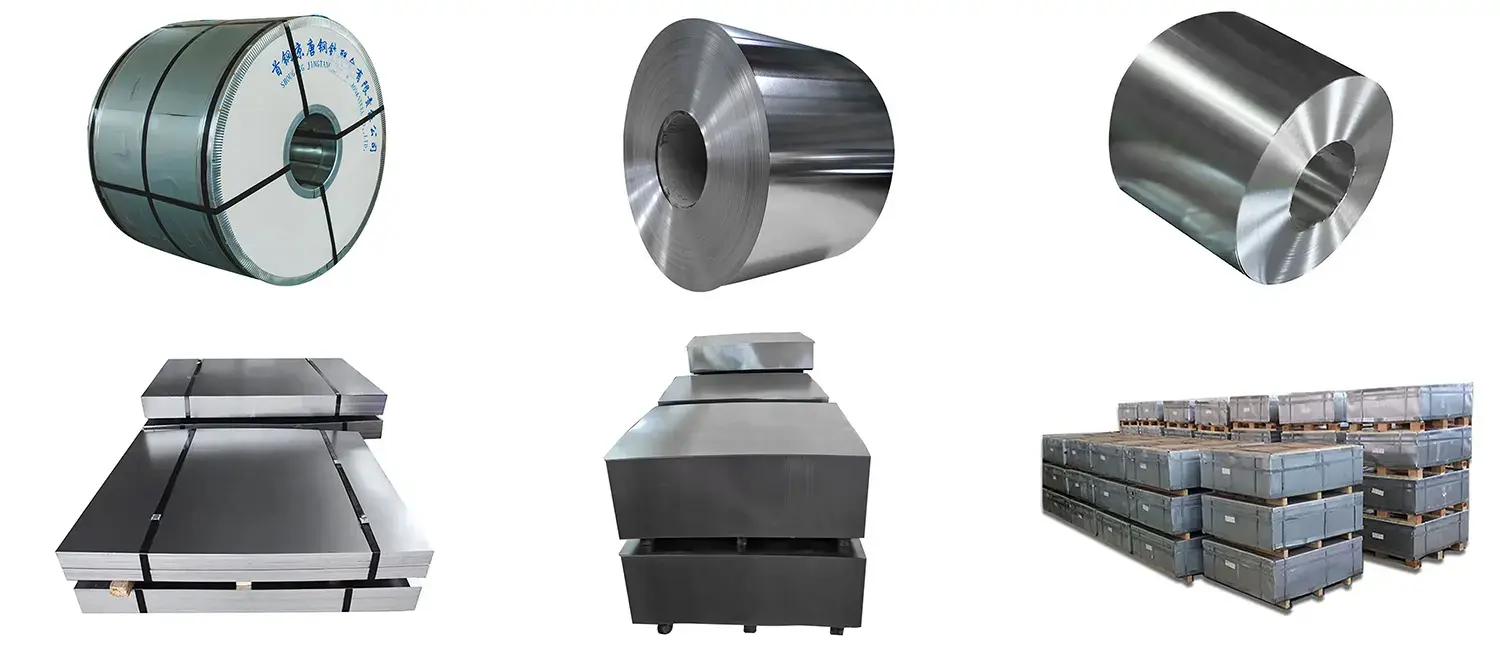
The foundation of corrosion resistance in modern packaging begins with understanding how tin plate coil T5 creates a protective barrier system. This specialized material represents the convergence of metallurgical engineering and practical packaging requirements, where every layer serves a specific protective function. Tin plate coil T5 consists of a low-carbon steel base that provides structural strength and formability, topped with an electrolytically applied tin coating that acts as the primary defense against environmental degradation. The designation T5 indicates an extra-hard temper rating, meaning the material has undergone specific cold-rolling processes that enhance its mechanical properties while maintaining the protective characteristics essential for long-term corrosion resistance. This combination creates a material that can withstand the demanding requirements of food preservation, chemical storage, and beverage packaging applications where product integrity cannot be compromised. The corrosion protection mechanism operates through multiple defensive layers working in concert. When tin plate coil T5 is properly manufactured and processed, it forms a complex structure that includes the steel substrate, an iron-tin alloy interface layer, the metallic tin coating, a passivation film, and an optional oil film for handling protection. Each of these layers contributes to the overall corrosion resistance by creating physical and electrochemical barriers that prevent moisture, oxygen, and corrosive agents from reaching the vulnerable steel core. The tin coating itself, typically ranging from 2.8 to 11.2 grams per square meter, forms a dense protective envelope that seals the steel surface from atmospheric exposure and chemical attack.
The Science Behind Tin's Protective Properties
The remarkable corrosion resistance of tin plate coil T5 stems from tin's unique electrochemical and physical properties that make it ideally suited for protecting steel substrates. Tin is classified as a more noble metal compared to steel in the electrochemical series, which means it is less reactive and more resistant to oxidation under normal atmospheric conditions. When applied to steel, tin creates a stable protective layer that prevents direct contact between corrosive elements and the underlying substrate, effectively isolating the steel from environments that would otherwise cause rapid degradation. At the molecular level, tin forms a tightly bonded coating through the electrolytic deposition process that creates metallurgical adhesion with the steel base. During manufacturing, an iron-tin alloy layer forms at the interface between the steel and pure tin coating, typically consisting of intermetallic compounds such as FeSn2. This alloy layer serves a critical function by enhancing the mechanical bond strength and creating an additional electrochemical barrier that slows corrosion penetration even if the surface tin layer becomes compromised. The formation of this interface layer also improves the coating's resistance to delamination during forming operations, ensuring that the protective barrier remains intact throughout the can manufacturing process. The passivation treatment applied after tin coating further enhances corrosion resistance by creating a chromium-oxygen complex film on the tin surface. This ultra-thin passivation layer, though measuring only nanometers in thickness, significantly improves resistance to sulfiding, oxidation, and rust formation. It also provides a stable foundation for applying internal and external coatings or lacquers that may be required for specific food products or chemical contents. The oil film applied as a final step serves dual purposes: it protects the finished tin plate coil T5 during storage and transportation while facilitating easier handling during can manufacturing operations by reducing friction and preventing surface scratches that could compromise the protective tin layer.
T5 Temper Specification and Enhanced Durability
The T5 temper designation represents a critical specification that directly impacts both the mechanical performance and corrosion resistance characteristics of tin plate coil T5 in demanding packaging applications. Temper refers to the degree of hardness and stiffness achieved through controlled cold-rolling reduction after the final annealing process. The T5 rating indicates an extra-hard material that has undergone approximately 50% reduction in thickness during temper rolling, resulting in increased yield strength, enhanced resistance to deformation, and improved dimensional stability compared to softer tempers like T2 or T3. This enhanced hardness provides several advantages for corrosion protection in real-world applications. The extra-hard surface of tin plate coil T5 offers superior resistance to mechanical damage during can manufacturing, filling operations, and distribution handling. Dents, scratches, and surface abrasions represent potential failure points where corrosion can initiate, as these defects may compromise the protective tin coating and expose the underlying steel. The increased hardness of T5 material minimizes the occurrence of such damage, maintaining the integrity of the corrosion-resistant barrier throughout the product's lifecycle. This is particularly valuable in high-speed manufacturing environments where metal-to-metal contact and mechanical stress are unavoidable. The T5 temper also contributes to improved seam integrity in welded or soldered can constructions. The extra hardness ensures that seams maintain tight tolerances and consistent contact pressure, reducing the potential for gaps or imperfections where corrosive agents could penetrate. In three-piece can manufacturing, where side seams are formed by welding or soldering, the dimensional stability of tin plate coil T5 helps maintain uniform coating coverage even in heat-affected zones. For drawn and ironed cans, the T5 temper provides the strength necessary to withstand the extreme forming forces while preserving the tin coating's continuity across the entire container surface, including challenging areas like the can bottom where stress concentrations are highest.
Key Factors Influencing Corrosion Resistance in Tin Plate Coil T5 Applications
Multiple interconnected factors determine the ultimate corrosion resistance performance of tin plate coil T5 in practical can manufacturing and end-use environments. Understanding these variables allows manufacturers to optimize material selection, processing parameters, and quality control measures to achieve maximum protection for specific product requirements.
Tin Coating Weight and Distribution Uniformity
The amount and uniformity of tin coating applied to the steel substrate represents one of the most critical factors governing long-term corrosion resistance. Tin plate coil T5 is available with various coating weights, typically measured as equal coating on both sides and expressed in grams per square meter. Common coating specifications include 2.8/2.8, 5.6/5.6, and 11.2/11.2, where the numbers indicate the tin weight on each side of the steel base. Heavier coatings generally provide enhanced corrosion protection by creating a thicker barrier layer, though the optimal coating weight depends on the specific application requirements, product acidity, storage conditions, and economic considerations. Coating uniformity across the entire coil width and length is equally important as the nominal coating weight. Variations in tin thickness, even if the average coating meets specifications, can create weak points where corrosion initiates preferentially. Modern electrolytic tin coating lines employ sophisticated current distribution systems and precise process controls to maintain coating uniformity within tight tolerances, typically ±10% of the nominal value. Advanced quality control systems using X-ray fluorescence technology continuously monitor coating weight during production, ensuring that every portion of the tin plate coil T5 meets the required specifications. This uniformity becomes especially critical in drawn and ironed can manufacturing, where material undergoes extreme thinning during forming operations and any coating inconsistencies become magnified. The interface between the tin coating and steel substrate also significantly impacts corrosion resistance performance. A properly formed iron-tin alloy layer creates strong metallurgical bonding that prevents coating delamination during forming operations and provides an additional electrochemical barrier against corrosion propagation. The thickness and composition of this alloy layer depend on the electrolytic coating process parameters, particularly the current density, bath temperature, and coating speed. Optimizing these parameters ensures that tin plate coil T5 develops an appropriate alloy layer thickness that balances adhesion strength with coating ductility, allowing the material to undergo severe forming operations without compromising its protective properties.
Surface Treatment and Passivation Quality
Beyond the primary tin coating, additional surface treatments play essential roles in maximizing the corrosion resistance of tin plate coil T5. The passivation treatment, typically applied immediately after tin coating, creates a thin chromium-based conversion coating that dramatically improves resistance to oxidation, sulfiding, and staining. This passivation layer acts as a supplementary barrier that complements the tin coating's protective function, particularly during storage periods and in the initial stages of product contact before internal lacquers fully cure or establish their protective characteristics. The quality and consistency of passivation treatment directly affect the material's performance in challenging corrosion environments. Different passivation chemistries and treatment parameters can be employed to optimize protection for specific applications. For food cans containing acidic products like tomatoes or citrus juices, enhanced passivation treatments with higher chromium content may be specified to provide additional resistance to acid attack. The passivation layer also improves paint and lacquer adhesion, ensuring that internal and external coatings bond effectively to the tin surface and maintain their protective integrity throughout the can's service life. Modern passivation processes increasingly employ trivalent chromium systems that provide equivalent corrosion protection while meeting environmental regulations and food contact material safety requirements. The final oiling treatment, while primarily intended to facilitate handling and prevent surface scratches during coil processing and shipment, also contributes to short-term corrosion protection. The oil film provides temporary moisture barrier protection during storage and transportation, preventing flash rusting or surface oxidation that could compromise the underlying tin coating. Different oil types and application weights can be specified based on customer requirements and subsequent processing needs. For some applications, a light oil film may be preferred to minimize cleaning requirements before printing or lacquering operations, while other uses may benefit from heavier oil coatings that provide extended storage protection in humid environments.
Base Steel Quality and Processing Control
While the tin coating and surface treatments provide the primary corrosion protection, the quality of the underlying steel substrate fundamentally affects the long-term durability and performance of tin plate coil T5. The steel base must be manufactured to exacting specifications regarding chemical composition, cleanliness, and surface finish to ensure optimal coating adhesion and uniform corrosion resistance across the entire coil. Low-carbon steel grades specifically designed for tin coating applications typically contain less than 0.13% carbon along with controlled amounts of manganese, silicon, and other elements that optimize formability while maintaining adequate strength. Surface preparation of the steel before tin coating critically influences the final coating quality and corrosion resistance. The steel must undergo thorough cleaning and pickling operations to remove mill scale, rust, and surface contaminants that could interfere with tin adhesion or create coating discontinuities. Modern cold-rolling processes produce steel with increasingly smooth surfaces, reducing the amount of tin required to achieve complete coverage and uniform coating thickness. Surface roughness specifications for tin plate coil T5 base steel typically require average roughness values below specific thresholds to ensure that the tin coating fully encapsulates all surface features without leaving exposed areas that could serve as corrosion initiation sites. The annealing process applied before temper rolling also impacts the final material's corrosion resistance characteristics. Proper annealing eliminates residual stresses from cold rolling, refines the grain structure, and creates a uniform metallurgical condition that promotes consistent tin coating adhesion and material performance. Insufficient or improper annealing can result in variations in coating quality, non-uniform mechanical properties, and increased susceptibility to corrosion in localized areas. Advanced continuous annealing lines employ precise temperature control and atmosphere management to produce base steel with optimal characteristics for subsequent tin coating and temper rolling operations, ensuring that every coil of tin plate coil T5 meets stringent quality standards for corrosion resistance and forming performance.
Industrial Applications Where Tin Plate Coil T5 Corrosion Resistance Matters Most
The superior corrosion resistance properties of tin plate coil T5 make it the material of choice for numerous demanding packaging applications where product safety, extended shelf life, and container integrity cannot be compromised. Understanding these applications helps manufacturers select appropriate specifications and optimize processing parameters for maximum performance.
Food and Beverage Packaging Protection
The food and beverage industry represents the largest consumer of tin plate coil T5, where corrosion resistance directly impacts product safety, flavor preservation, and shelf life extension. Canned foods ranging from vegetables and fruits to meats, fish, and prepared meals require packaging materials that prevent interaction between acidic or protein-rich contents and the metal container. Tin plate coil T5 with appropriate coating weights and internal lacquer systems provides the multi-layer protection necessary to maintain product quality throughout extended storage periods, often exceeding three years for certain product categories. Acidic food products pose particularly challenging corrosion environments that demonstrate the value of tin plate coil T5's protective characteristics. Tomato products, citrus juices, and pickled vegetables contain organic acids that can rapidly attack unprotected steel, causing perforation failures, product contamination, and flavor deterioration. The tin coating acts as a stable barrier that resists acid attack while remaining inert and non-reactive with food contents. When combined with specialized internal coatings formulated for specific food types, tin plate coil T5 creates a complete protective system that maintains food safety standards and extends shelf life even under harsh storage conditions including elevated temperatures and humidity variations commonly encountered in distribution and retail environments.
Beverage cans for carbonated soft drinks, beer, and energy drinks require exceptional corrosion resistance combined with high-speed formability for efficient manufacturing. These applications typically employ drawn and ironed can construction where tin plate coil T5 undergoes extreme forming operations that thin the material by more than 70% in some areas. The T5 temper provides the strength necessary for this severe forming while the tin coating maintains its protective continuity throughout the drawing and ironing process. Internal coatings specifically formulated for beverage applications work synergistically with the tin base to prevent flavor scalping, protect against carbonic acid corrosion, and maintain product quality throughout the typical one to two year shelf life expected for these products. The combination of material strength, corrosion resistance, and forming performance makes tin plate coil T5 an essential component in producing billions of beverage cans annually worldwide.
Aerosol and Chemical Container Applications
Aerosol containers represent another critical application where the corrosion resistance of tin plate coil T5 provides essential product protection and container safety. These pressurized packages contain various products including personal care items, household cleaners, paints, and automotive chemicals, many of which are highly corrosive to unprotected steel. The internal pressure, often exceeding 100 psi, combined with potentially aggressive product formulations, creates demanding service conditions that require robust corrosion protection to ensure safe operation throughout the container's life. The extra-hard T5 temper specification is particularly valuable in aerosol applications because it provides the mechanical strength necessary to safely contain high internal pressures while maintaining the thin wall construction that enables efficient material utilization and cost-effective manufacturing. The tin coating protects the steel from internal corrosion caused by propellants and product formulations, while external coatings and printing provide aesthetic appeal and brand identification. In applications involving hydrocarbon propellants or aggressive chemical formulations, specialized internal lacquer systems complement the tin base layer to create comprehensive protection that prevents container failure, product degradation, and safety hazards throughout the expected multi-year service life.
Paint and chemical containers ranging from one-quart paint cans to five-gallon pails utilize tin plate coil T5 for its excellent corrosion resistance and compatibility with coating systems. These applications often involve long-term storage of corrosive contents including solvent-based paints, alkyd enamers, and industrial chemicals that would rapidly attack unprotected steel. The tin coating provides primary protection while specialized internal linings tailored to specific chemical families create comprehensive barrier systems. The T5 temper ensures adequate stiffness and strength for stacking and handling requirements while maintaining formability for manufacturing operations. Many paint can manufacturers appreciate tin plate coil T5 for its consistent forming performance, excellent printability for external graphics, and reliable long-term protection that maintains product quality and prevents costly container failures that could result in product loss, environmental contamination, or customer dissatisfaction.
Specialty Packaging for Extended Shelf Life Requirements
Beyond mainstream food and beverage applications, tin plate coil T5 serves critical functions in specialty packaging applications where exceptional corrosion resistance and extended shelf life requirements justify premium material specifications. Military rations, emergency food supplies, and long-term storage products often require shelf lives extending five to ten years or longer, placing extraordinary demands on packaging materials to maintain product safety and quality over extended periods and through challenging environmental conditions. These demanding applications typically employ heavy tin coating weights, often 8.4/8.4 or 11.2/11.2 specifications, combined with advanced internal coating systems specifically formulated for ultra-long-term protection. The extra tin coating weight provides an increased safety margin against coating discontinuities, mechanical damage, and long-term corrosion propagation. The T5 temper ensures that containers maintain structural integrity throughout extended storage periods and rough handling conditions typical of military logistics and emergency supply systems. Rigorous testing protocols including accelerated aging studies, tropical storage simulations, and severe mechanical abuse testing validate the long-term corrosion resistance performance before these materials receive qualification approvals for critical applications where packaging failure is not acceptable. Pharmaceutical and nutraceutical packaging represents another specialty application leveraging tin plate coil T5's superior corrosion resistance for protecting sensitive products from moisture, oxygen, and light exposure. Vitamin tablets, medical supplements, and certain pharmaceutical preparations require packaging materials that maintain extremely low moisture vapor transmission rates and prevent oxidation that could degrade product potency. Metal containers fabricated from tin plate coil T5 with appropriate internal coatings and closure systems provide hermetic sealing performance superior to plastic alternatives, ensuring product stability throughout intended shelf life periods. The inert nature of the tin coating prevents chemical interactions with sensitive product formulations while providing the robust barrier properties essential for maintaining pharmaceutical product quality and regulatory compliance.
Optimizing Tin Plate Coil T5 Selection for Maximum Corrosion Protection
Selecting the optimal tin plate coil T5 specification for a specific application requires careful consideration of multiple factors including product characteristics, storage conditions, shelf life requirements, manufacturing processes, and economic constraints. A systematic approach to material selection ensures that performance requirements are met while avoiding over-specification that unnecessarily increases costs. Product acidity and corrosiveness represent primary considerations when specifying coating weights and internal lacquer systems. Strongly acidic products like citrus juices, tomato sauces, and pickled vegetables typically require heavier tin coatings, often 5.6/5.6 or higher, combined with acid-resistant internal coatings. Less aggressive products such as dry goods, non-acidic vegetables, or neutral pH beverages may perform adequately with lighter 2.8/2.8 coatings when appropriate internal lacquers are employed. Understanding the specific corrosion mechanisms relevant to each product type allows material engineers to select tin plate coil T5 specifications that provide necessary protection without excessive material costs that could impact product competitiveness. Manufacturing process requirements also influence optimal material selection. High-speed drawing and ironing operations for beverage cans require specific combinations of coating weight and base steel thickness that balance formability with corrosion protection. Three-piece can manufacturing with side seam welding demands considerations regarding coating behavior in heat-affected zones and the need for specialized coatings or secondary seam protection. Understanding how different forming operations affect coating integrity helps identify tin plate coil T5 specifications that maintain protective continuity throughout manufacturing processes and ensure that finished containers meet corrosion resistance performance requirements in end-use applications.
Conclusion
Tin plate coil T5 provides essential corrosion protection through its multi-layered structure combining an extra-hard steel base with precise tin coating, creating reliable barriers that safeguard products across food, beverage, aerosol, and specialty packaging applications while delivering the durability manufacturers need for long-term performance.
Cooperate with Shandong Three Iron-Printing & Tin-Making Co.,Ltd.
Partner with Shandong Three Iron-Printing & Tin-Making Co.,Ltd., your premier China tin plate coil T5 manufacturer, China tin plate coil T5 supplier, and China tin plate coil T5 factory for High Quality tin plate coil T5 solutions. Located in Linyi Economic and Technological Development Zone spanning 270,000 square meters with over 300 skilled employees and 65 technical specialists, we operate advanced production lines from Germany, Japan, Taiwan, and Switzerland producing 50,000 tons annually with 600 million cans capacity. Our mature R&D team provides comprehensive technical support backed by ISO9001:2008, ISO14001:2004, SGS, BPA, and CE certifications. We offer tin plate coil T5 for sale with competitive tin plate coil T5 price, featuring seamless construction, customizable exteriors, recyclable materials, and efficient stackable designs. As a China tin plate coil T5 wholesale leader with extensive global exports to USA, Germany, Poland, Russia, Vietnam, Indonesia, Thailand, Mongolia, and Cambodia, we guarantee fast delivery, strict packaging, and OEM support. Contact info@threefoodcan.com today for bulk inquiries and discover how our large inventory and complete certifications deliver superior packaging solutions that elevate your brand presence worldwide.
References
1. Davies, C. and Hanford, N.J., "Metallic Coatings for the Protection of Mild Steel from Corrosion at Ambient Temperatures: Tin and Chromium Coatings," Anti-Corrosion Methods and Materials
2. American Society for Metals, "ASM Handbook Volume 13A: Corrosion - Fundamentals, Testing, and Protection," ASM International
3. International Organization for Standardization, "ISO 11949: Cold-reduced electrolytic tinplate and electrolytic chromium/chromium oxide coated steel," ISO Technical Committee
4. Britton, S.C. and Clarke, M., "The Structure and Adhesion of Electrodeposited Tin Coatings," Transactions of the Institute of Metal Finishing
5. Paine, F.A. and Paine, H.Y., "A Handbook of Food Packaging: The Technology and Application of Metal Containers for Food Products," Blackie Academic & Professional
YOU MAY LIKE