

The Price Guide for 2.8/2.8 Tinplate Sheet 0.2mm
2026-09-18
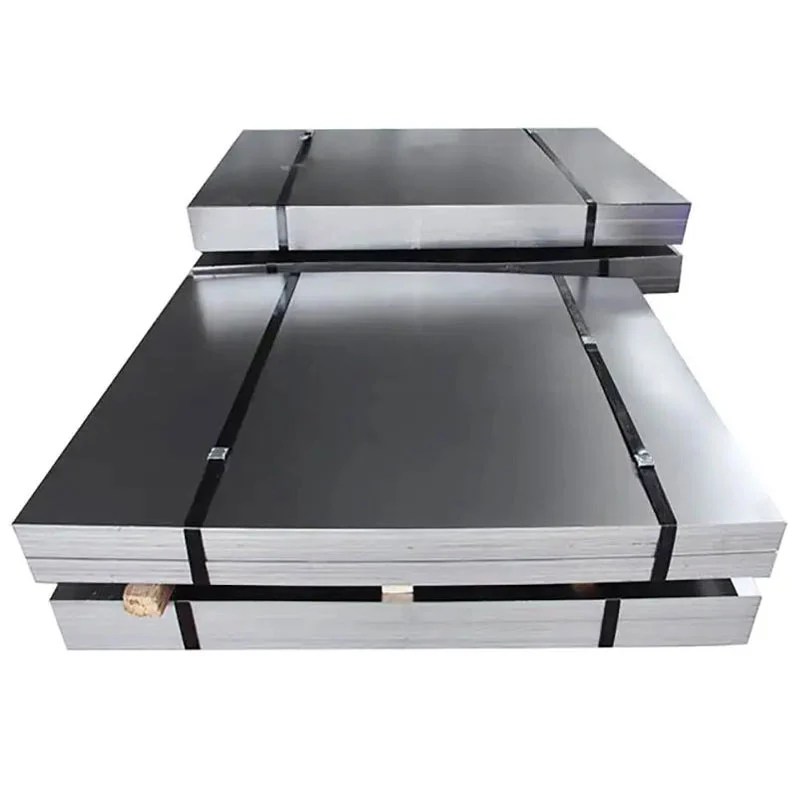
To figure out how much a 2.8/2.8 tinplate sheet 0.2 mm https://www.threefoodcan.com/tinplate-sheets/2-8-2-8-tinplate-sheet-0-2-mmcosts, you need to carefully look at a number of market factors. Rates on the market right now usually fall between $800 and $1,200 per metric tonne, but this depends on the coating requirements, the number of orders, and how supplies change in different areas. This high-quality packing material has a 2.8-g/m² tin layer on both sides, which makes it perfect for food-grade uses where rust protection meets exact manufacturing needs across many industries.
Learning the Basics of Tinplate Sheet Pricing
The market for metal sheets has complicated price systems that have a direct effect on your choices about what to buy. About 60 to 70% of the final price of tinplate comes from the cost of the steel itself. The tin coating processes add a lot of value by making the plate last longer and meet food safety standards.
The prices of manufacturing materials change depending on how much steel and tin are available around the world. Prices from major sellers change every three months to reflect changes in the prices of commodities and energy. Smart procurement teams keep an eye on these patterns to make the best decisions about when to buy things and how to spend the money.
Quality certifications have a big effect on how prices are set. Materials that are ISO 9001:2015 and FSSC 22000 certified cost more because they go through strict quality control processes. But these investments make sure that performance stays the same in high-speed manufacturing settings where product reliability has a direct effect on how efficiently operations run.
Market Analysis and Current Pricing Trends
Even though there are problems in the world supply chain, the tinplate sheet market is surprisingly stable right now. Asian makers stay ahead of the competition by using modern surface cleaning technologies and combined production sites. European suppliers focus on specialised uses that need very high resistance to rust and exact measurements.
The need for packaging materials keeps going up in developing countries, especially in Latin America and Southeast Asia. With this growth, prices will stay stable, and new technologies for lightweight metal options will be encouraged. Over 75% of all the packaging used in the world is for food, which is the largest share.
Recent changes in the market show that environmentally friendly manufacturing methods are becoming more and more important to buyers for 2.8/2.8 Tinplate sheet 0.2 mm. As environmental rules get stricter in most markets, materials and production methods that are better for the environment and can be recycled command higher prices. To stay competitive, forward-thinking providers engage in green technologies.
Volume-Based Pricing Structures
Large-scale purchasing agreements save established manufacturers a lot of money. Orders over 100 metric tonnes usually get tier-one prices, which means they pay 15% to 25% less than orders for smaller amounts. This volume sensitivity shows that production is becoming more efficient and logistics costs are going down per unit.
Orders between 25 and 100 tonnes get access to prices that are good for businesses that are growing. These arrangements strike a balance between minimising costs and keeping track of inventory. To account for changes in seasonal demand, many suppliers offer flexible payment terms and delivery times.
Buying in small amounts is useful for specific tasks and making prototypes. Even though unit costs are still higher, providers offer helpful technical support and the chance to make changes. For this group, fast delivery and lower minimum order quantities are good things.
Regional Price Variations and Supply Chain Factors
Through shipping, taxes, and the way area markets work, location has a big effect on the end supply costs. Asian suppliers usually have competitive base prices because their supply chains are well-connected, and it's easy to get raw materials from them. However, shipping fees and import taxes must be added to the total landing cost.
European manufacturers are closer to buyers in the region, which cuts down on lead times and shipping costs for 2.8/2.8 Tinplate sheet 0.2 mm. Their focus on high-end quality and specific uses justifies their higher prices. Modern production techniques allow for customised solutions that meet specific technical needs.
North American sellers find a good mix between low prices and quick shipping times. Their central positions make it easy for them to serve big industry hubs and keep enough supplies to support just-in-time manufacturing. When you buy things locally, you protect your currency and make it easier to coordinate logistics.
Quality Standards and Their Price Impact
Due to its better performance and longer service life, premium coated steel commands higher prices. For branded packaging, advanced surface treatment processes make sure that coatings stick well and that printing is easier. These high-quality investments pay off in the long run with practical benefits that support the higher prices of materials.
Certification compliance adds real value by lowering quality risks and making sure that regulations are followed. FDA-approved materials for food packaging go through a lot of testing and paperwork, which is why they cost 8–12% more than standard grades. This spending saves the brand's image and keeps customers safe.
The levels of price are directly related to the technical specs. Tighter tolerances on dimensions, special tempering conditions, and custom surface finishes all make manufacturing more difficult and cost more. To get the best value, buyers have to find a balance between the needs of specifications and the limits of their budgets.
Cost Optimization Strategies for Procurement Teams
Through long-term agreements and partnerships with suppliers, strategic sourcing lowers the total cost of acquisition for 2.8/2.8 Tinplate sheet 0.2 mm. Annual contracts keep prices stable and make sure that attention is given when the market is tight. When you make a volume commitment, you can get better service and better prices.
Optimising inventory means balancing the benefits of lower prices and lower costs of holding on to items. Seasonal buying patterns take advantage of changes in the market and keep track of how much space is needed. To keep system costs as low as possible, advanced planning systems coordinate when to buy things with when to make things.
Diversifying your suppliers lowers your risk while keeping your options open. Multiple buying ties give you information about the market and help you set prices. But having too many different suppliers makes it harder to keep track of quality and raises administrative costs.
Technical Specifications and Their Cost Implications
The 0.2 mm gauge specification strikes the best balance between the cost of the material and the performance needs. This thickness is strong enough for most packaging needs while using as little material as possible. Precision making makes sure that the sizes are always the same so that high-speed automatic processing equipment can work with them.
Rust protection treatments cost more, but they save a lot of money by extending the shelf life of food and cutting down on waste. Chromium passivation and organic coatings keep the environment from getting worse while the items are being stored and shipped. These safety measures are especially helpful in humid places and along long supply chains.
Specifications for surface quality affect prices by changing how hard it is to make and how much is made. Bright finishes need more steps in the making process, but they are better for printing on unique packages. Stone finishes are cheaper than other options, but they still work well enough for everyday use.
Future Market Outlook and Investment Considerations
Some new technologies offer better performance while also possibly lowering the cost of making things. New coating formulas improve surface properties and resistance to corrosion. Spending money on automation makes output more efficient and makes sure that quality is the same across all big providers.
As environmental laws get stricter, sustainability programs change how markets work. Recycled content requirements and carbon footprint concerns affect how suppliers are chosen and how prices are set. These things are part of long-term buying plans for procurement teams that are forward-thinking.
The market is still getting smaller because smaller suppliers are having a hard time with the costs of capital investments and following the rules. This trend favours well-known companies that can do a lot of different things and do business all over the world. Buyers get better service, but they have fewer suppliers to choose from.
Conclusion
To figure out tinplate prices, you need to know how the market works, what the quality standards are, and what the suppliers can do. Strategic methods for sourcing maximise total value by buying in bulk, forming partnerships with suppliers, and making sure that technical specifications are aligned. When it comes to cost-effectiveness, the 2.8/2.8 tinplate sheet 0.2 mm specification works very well for packaging needs. To be successful, you need to find a good balance between price, quality, and the reliability of your supply chain. Professional providers offer technical support and customisation choices that make the higher prices worth it because they help businesses run more smoothly. To stay ahead of the competition in the long term, smart buyers spend time evaluating suppliers and building relationships with them.
Ready to Source Premium 2.8/2.8 Tinplate Sheet 0.2mm? Partner with Three Today
Three delivers exceptional value as your trusted 2.8/2.8 tinplate sheet 0.2 mm supplier through advanced manufacturing capabilities and comprehensive quality certifications. Our Linyi facility spans 270,000 square meters with state-of-the-art production lines ensuring consistent quality and competitive pricing. Contact our experienced team at info@threefoodcan.com to discuss your specific requirements and receive detailed quotations tailored to your procurement needs.
References
1. International Tin Research Institute. "Tinplate Manufacturing Standards and Market Analysis." Annual Industry Report, 2023.
2. Steel & Metal Processing Magazine. "Advanced Coating Technologies in Modern Tinplate Production." Industrial Manufacturing Quarterly, Vol. 45, 2023.
3. Packaging Industry Association. "Global Trends in Metal Packaging Materials and Sustainable Manufacturing." Environmental Compliance Study, 2023.
4. Materials Science and Engineering Journal. "Corrosion Resistance Properties of Electrolytic Tinplate in Food Packaging Applications." Research Publication, Issue 8, 2023.
5. World Steel Association. "Market Dynamics and Pricing Mechanisms in Specialized Steel Products." Economic Analysis Report, 2023.
6. Industrial Procurement Management Review. "Strategic Sourcing Best Practices for Metal Packaging Materials." Supply Chain Optimization Guide, 2023.
YOU MAY LIKE