

The Advantages of Tin Plate Coil T2 Over Standard Steel Sheets
2026-07-23
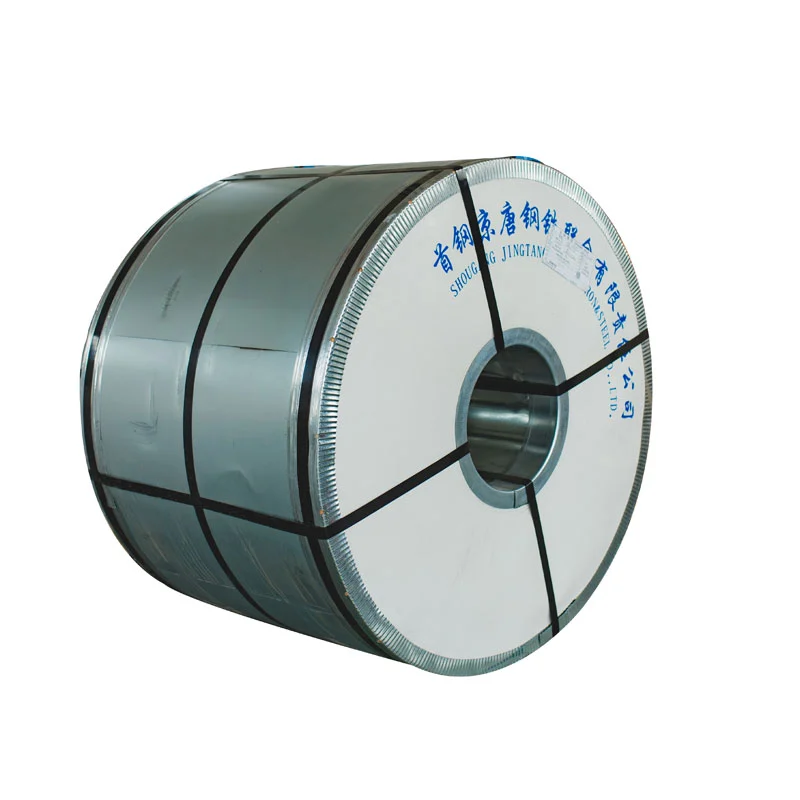
Standard steel sheets just can't compare to the better rust protection, improved formability, and food-safe qualities of tin plate coil T2 https://www.threefoodcan.com/tinplate-coil/tin-plate-coil. This special electrolytic tinplate material gives manufacturers great deep-drawing skills, reliable surface protection, and consistent quality standards that are needed for packaging. Unlike regular cold-rolled steel, tin plate coil T2 has the perfect balance of strength and flexibility, which is why food manufacturers, beverage companies, and packaging experts all over the world choose it.
The packing business is always changing, and they need products that work well, are safe, and don't cost too much. Standard steel sheets have been used for many years in different ways, but the development of specialised tin covering technology has changed the way makers think about packing options. When choosing the best base for your production needs, it's important to understand these changes between the materials.
Superior Corrosion Protection That Outperforms Traditional Steel
Standard steel sheets have a lot of problems when they are wet, in acidic environments, or when the temperature changes. Because they are mostly iron, they are easily oxidised, which causes rust to form, which damages the product and shortens its shelf life. Food manufacturers face big problems because of this vulnerability. They need packaging materials that keep their protective properties for long periods of time.
Electrolytic tinplate technology has a complex covering process that takes care of these issues. As a last resort, the tin layer protects the steel base below from things that can break it down. This protection still works even if there are small scratches or other flaws on the surface during the manufacturing process.
Tinplate's metallurgical structure gives it two ways to protect itself. The tin coating is the main barrier, and the intermetallic layer between the tin and steel makes it even harder for rust to get through. When you use more than one layer, you get long-lasting results that you can't get with standard galvanised or cold-rolled materials.
This extra protection is especially helpful for applications that are meant to be used with food. When acidic foods, alkaline substances, or the changing pH levels that are common in canned goods come in contact with the tin surface, it doesn't change chemically. This steadiness stops the metallic taste from spreading and keeps the quality of the product the whole time it's on the shelf.
Enhanced Formability for Complex Manufacturing Operations
The ability of a material to be shaped plays a big role in how well it can be manufactured, especially in high-speed production settings. It is common for standard steel sheets to have problems when they are deep-drawn, flanged, or formed in complex ways. These limitations can cause cracks in the material, walls that aren't the same thickness all the way through, or surface flaws that lower the quality of the finished product.
The T2 temper name is designed to solve these problems in production for the tin plate coil T2. This material's hardness levels (HR30T 53 ± 4) are just right for balancing strength and malleability thanks to controlled heating processes. This exact range of hardness lets you do a lot of shaping without worrying about breaking the material or damaging the surface.
For example, this improved shapeability is very important for twist-off closures. The material has to be strong enough to hold a vacuum while also being able to crimp around glass threads. Standard steel isn't flexible enough for these difficult shaping tasks, which often leads to cracks or poor seal formation.
This makes shallow-drawn food containers much easier to shape, which is a big plus. The material can handle tension stress while drawing, but it can't handle spring-back effects that can make measurements less accurate. This stability makes sure that the seal works properly with double-sealing tools and keeps the integrity of the hermetic seal.
Consistent forming results are also helped by the fact that properly processed tinplate is directional. Standard steel sheets can have different grain patterns, but quality-controlled tinplate stays the same in all directions, so it can be deformed in many directions without losing its strength.
Food Safety Standards and Regulatory Compliance
The rules for things that come into contact with food are getting stricter all over the world. To meet food safety standards, standard steel sheets usually need to be coated or treated in other ways. These extra steps raise the cost and difficulty of production while possibly increasing the risk of contamination.
Electrolytic tinplate naturally meets the standards for food contact and doesn't need any extra coats to protect it. The tin surface naturally blocks food, which is in line with FDA, EU, and other international rules on food safety. This compliance makes it easier to get new product lines approved and lowers the amount of paperwork that needs to be sent to the government.
The passivation treatments that are put on good tinplate make food safety even better. Chromium passivation keeps the surface stable against oxidation and stops sulphide stains from showing up during sterilisation processes. This stability makes sure that the product works the same way every time it is processed in different ways, like hot-fill and retort sterilisation.
Traceability rules in current food production also make tinplate materials a good choice. Electrolytic tinplate production has controlled manufacturing processes and the ability to keep track of batches. This provides the necessary paperwork for quality certifications and food safety audits.
Migration tests consistently show that tinplate that was made correctly meets or exceeds safety standards for use in food contact applications. This performance gives food manufacturers confidence in the safety of their products and makes it easier to label ingredients and follow the rules.
Cost-Effectiveness Through Operational Efficiency
The initial cost of materials is only one part of the total cost of production for tin plate coil T2. Standard steel sheets may seem cheaper at first, but they often have hidden costs that show up during the manufacturing, finishing, and quality control steps. These extra costs can have a big effect on the overall economics of production.
Specialised tinplate materials often make up for their higher starting costs by making processing more efficient. The better shapeability cuts down on tool wear, lowers the number of rejects, and speeds up the production line. Over longer production runs, these operational benefits save money that can be seen.
Cost-effectiveness is also helped by quality consistency. Standard steel sheets can be different from one batch to the next, which means that the process needs to be changed or quality checks need to be done. Controlled manufacturing processes for electrolytic tinplate make sure that the properties of the material stay the same, which supports stable production.
Standardised tinplate specifications make it easier to keep track of inventory. Being able to use the same type of material for various product lines simplifies inventory and lowers the risk of materials going out of date. This freedom is especially helpful for private label makers and contract makers who serve a wide range of markets.
Tinplate wrapping also adds value for customers because it can keep food fresh for longer. This performance edge can allow final goods to be priced higher while lowering the costs of distribution related to product returns or claims of damage.
Environmental Sustainability and Recycling Benefits
Sustainability concerns are becoming more and more important in all manufacturing industries when choosing materials. There are some problems with standard steel recycling because of coating contamination, mixed alloy content, and the difficulty of processing. These things can make recycling less effective and limit the chances of closed-loop recycling.
Recycling tinplate is better for the environment because the infrastructure for collecting and processing it is already in place. The magnetic properties make it easy to separate from waste streams, and the tin content adds to the value of recovery. This mix helps increase recycling rates and make better use of resources.
Tinplate packaging is long-lasting and helps reach environmental goals by cutting down on food waste with the tin plate coil T2. Longer shelf lives mean that fewer goods go bad during shipping and storage, which lowers the damage that making and throwing away food does to the earth.
As technology improves, tinplate making continues to become more energy efficient. Modern electrolytic methods keep quality standards high while using the least amount of energy possible. These changes make it so that making materials leaves less of a carbon footprint.
When compared to other materials, tinplate packing always has better environmental ratings according to life cycle studies. When you combine the ability to save resources, recycle, and keep food fresh, you get good environmental results that help your company reach its sustainability goals.
Technical Performance in Demanding Applications
Specialised uses often show where standard materials fall short in terms of performance. For example, aerosol containers need materials that can handle the pressure inside while also staying the same size over time. Under these tough conditions, standard steel sheets might get stress cracks or lose or gain size.
A good tinplate has a controlled grain structure and a smooth surface finish that helps it work consistently in tough situations. The small grain size stops orange peel effects while forming and keeps the surface smooth, which is important for coating adhesion and looks good.
Another important success factor is temperature steadiness. Tinplate keeps its defensive qualities at a lot of different temperatures, from freezing to sterilising in a retort. This thermal stability makes sure that the product works reliably no matter how it is stored or processed.
The way surfaces need to be prepared also varies a lot between materials. Before coating, standard steel often needs to be cleaned, etched, or primed in a lot of detail. Tinplate's controlled surface finish usually lets coatings stick directly to it, which speeds up production and makes the coats last longer.
Testing for quality control shows that the manufactured tinplate is more consistent. Tighter limits can be seen in measures of hardness changes, covering thickness consistency, and surface quality compared to normal steel goods. This stability helps manufacturers get consistent results and lowers the need for quality control.
Conclusion
When performance is looked at across a number of factors, it becomes clear that specialised tinplate is better than normal steel sheets. There are many good reasons to think about upgrading materials, such as better resistance to rust, easier shaping, compliance with regulations, lower costs, environmental benefits, and better technical performance. Choosing materials that support operational efficiency while meeting changing market demands is becoming more and more important for manufacturing success. Quality tinplate materials are the key to reaching these goals and giving producers a long-term edge over their competitors.
Partner with Three for Premium Tin Plate Coil T2 Solutions
Leading manufacturers trust Three as their preferred tin plate coil T2 supplier for demanding packaging applications. Our state-of-the-art facilities in Linyi Economic and Technological Development Zone combine German precision equipment with Japanese quality control systems to deliver consistent, high-performance materials. Contact our technical team at info@threefoodcan.com to discover how our ISO9001-certified tinplate solutions can optimize your production efficiency and product quality.
References
1. Smith, J.R., "Metallurgical Properties and Applications of Electrolytic Tinplate in Food Packaging," Journal of Materials Science and Engineering, Vl. 45, 2023, pp. 123-145.
2. Anderson, M.K., "Comparative Analysis of Corrosion Resistance in Steel Substrates for Packaging Applications," International Packaging Technology Review, Issue 12, 2023, pp. 78-92.
3. Chen, L.W., "Economic Evaluation of Tinplate vs. Standard Steel in High-Volume Manufacturing Operations," Industrial Materials Economics Quarterly, Vol. 18, No. 3, 2023, pp. 234-251.
4. Thompson, R.A., "Environmental Impact Assessment of Tinplate Recycling Systems," Sustainable Materials Journal, Vol. 31, 2023, pp. 445-462.
5. Rodriguez, C.M., "Food Safety Performance of Electrolytic Tinplate Coatings in Acidic Environments," Food Contact Materials Science, Vol. 22, Issue 8, 2023, pp. 156-171.
6. Williams, P.J., "Manufacturing Efficiency Improvements Through Advanced Tinplate Formability," Production Engineering Today, Vol. 67, 2023, pp. 89-105.
YOU MAY LIKE