

2.8/2.8 Tinplate Sheet 0.18mm: What Makes it a Top Choice?
2026-07-23
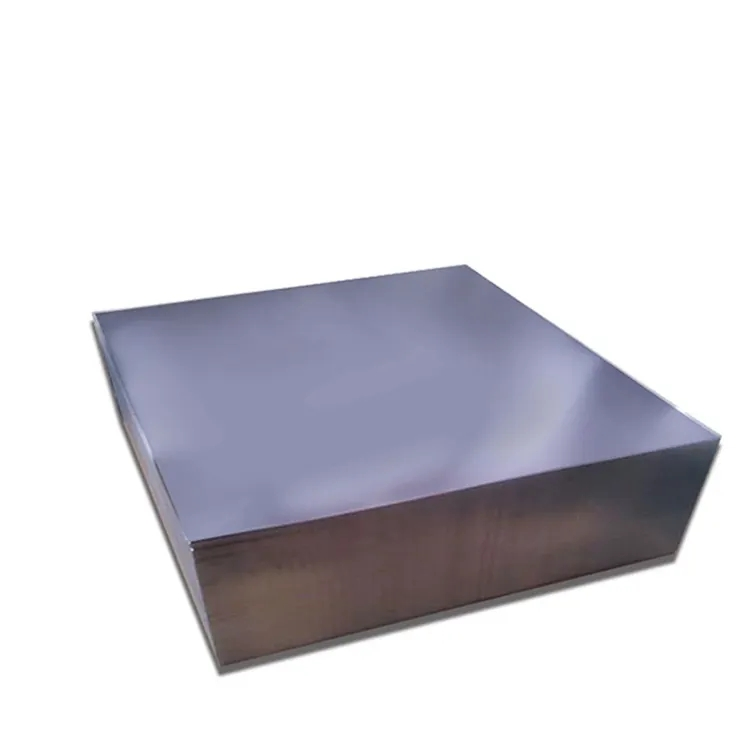
Food makers and packaging businesses choose the 2.8/2.8 Tinplate sheet 0.18 mm https://www.threefoodcan.com/tinplate-sheets/2-8-2-8-tinplate-sheet-0-2-mmbecause it is the best combination of longevity, protection from rust, and low cost. This special metal packaging material has the right amount of tin coating spread out and the right amount of thickness control. It works better in high-volume production settings and keeps its structural integrity, which is important for food safety and product preservation in a wide range of manufacturing settings.
Understanding the Specifications Behind Superior Performance
Some of the things that make the tinplate sheet special are its technical specifications, which show how well-engineered it is. Both surfaces are coated with 2.8 g/m² tin, which creates an equal protective barrier that keeps performance constant during the manufacturing process. This two-sided covering method stops rusting and keeps the structural features of the steel base.
The thickness of 0.18 mm was carefully chosen to be the right balance between material strength and processing speed. Manufacturers like this gauge because it lasts long enough for a variety of making tasks and makes the best use of material per unit. The thickness tolerance of ±0.005 mm makes sure that all production lines work the same way, which cuts down on waste and keeps quality standards high.
Surface cleaning is a key part of how good the material is for 2.8/2.8 Tinplate sheet 0.18 mm. Usually, Chromium 311 is used in the passivation process to stabilise the tin surface against sulphide stains and improve lacquer bonding. This process makes packaged goods last longer and keeps the look of printed surfaces while they are being stored and shipped.
Exceptional Corrosion Resistance for Food Safety
The main thing that sets high-quality tinplate apart from other materials is its resistance to corrosion. The tin coating is a sacrificial layer that keeps the steel base safe from outside factors that could damage the package. This safety feature makes sure that acidic food, wetness, and outside air can't get through the walls of the container.
Tin's electrical qualities make it a good shield against several toxic substances that are often found in food. Preservatives like citric acids, vinegar-based solutions, and others that could rust steel surfaces that haven't been treated stay safe in containers that have been properly coated. This protection keeps the quality of the product and the safety of the user even after long periods of storage.
Laboratory tests show that tin coatings that are put on correctly can last for years in harsh food conditions without breaking down much. Because the coating can keep its protective qualities even when heated, like during retorting and pasteurisation, it is an important part of making canned foods.
Changing temperatures during shipping and storage can put stress on the materials used for packing. The tin covering's temperature expansion qualities are very similar to those of the steel base. This keeps the coating from peeling off or breaking, which could make the protection less effective.
Superior Formability for Complex Manufacturing Processes
Another great thing about the 2.8/2.8 Tinplate sheet 0.18 mm is that it can be used in a lot of different ways. When you combine the qualities of the steel base with those of the tin covering, you can do complex shaping operations without damaging the surface or losing the coating. Deep drawing, flanging, and beading all go smoothly when the right tools and lubrication methods are used.
Because the material is flexible, it can be bent into tight radius shapes and complicated forms that are necessary for modern can designs. To make three-piece can bodies, you need to be able to shape them into cylinders with little springback while keeping the coating intact at the welded seam. This is because the tin layer has low electrical resistance, which makes it easy to weld.
The material's consistent thickness and surface properties make it useful for stamping. The even coating distribution makes sure that the results are the same from one production run to the next, whether the parts being made are can ends, closures, or decorative ones. The level of tool wear stays low because the tin surface is very lubricious.
For progressive die forming, which is often used for mass production, to work, the materials must keep their properties through multiple stages of forming. The steel base gives it the strength it needs, and the tin covering stops galling and other surface flaws that could hurt the quality of the finished product.
Cost-Effectiveness in High-Volume Production
Many choices about what materials to use in industrial processing settings are based on cost. The thin gauge shape makes it possible to make as many containers as possible with each tonne of raw material. This has a direct effect on the cost of production. This level of efficiency is especially important in high-volume operations where material costs make up a big part of overall costs.
The lighter weight per unit means less money spent on shipping compared to heavier options. More payload capacity is good for distribution networks because it lowers freight costs across supply chains. Also, the amount of space needed for storage goes down, which lets makers keep bigger stockpiles in the warehouses they already have.
Less energy is needed for making processes, which makes processing more efficient. When drawing or stamping thinner materials, less force is needed. This makes tools last longer and cuts down on maintenance downtime. Production speeds can go up while quality standards stay the same, which makes the equipment more useful overall.
Better utilisation rates of materials lead to less waste for 2.8/2.8 Tinplate sheet 0.18 mm. The exact thickness control keeps differences between production lots to a minimum. This lets process parameters be tightened, and scrap production goes down. Tin-coated steel has a high recovery value, which means that recycling it can save you money in the long run.
Applications Across Diverse Industries
The main usage area where this material works well is in food and drink packaging. Tinned fruits and vegetables, soups, and ready-to-eat meals depend on the protective qualities of a good tinplate. The material's ability to keep food fresh for long periods of time makes it necessary for export goods and emergency food stores.
The material is used to make aerosol containers because it can withstand pressure and has great surface finish properties. Personal care items, home cleaners, and chemicals for cars need packages that stay together even when they're under a lot of pressure and have nice marking areas.
Chemical packaging uses the rust resistance qualities to their advantage, especially for water-based and weak acids. Barrier features keep products from getting contaminated and maintain their consistency in paint cans, glue cases, and industrial lube packaging.
Speciality uses include housings for electrical parts, decorative containers, and promotional packaging. The material can be painted to get high-quality surfaces, which makes it good for presenting high-end products and wrapping gifts.
Quality Control and Manufacturing Excellence
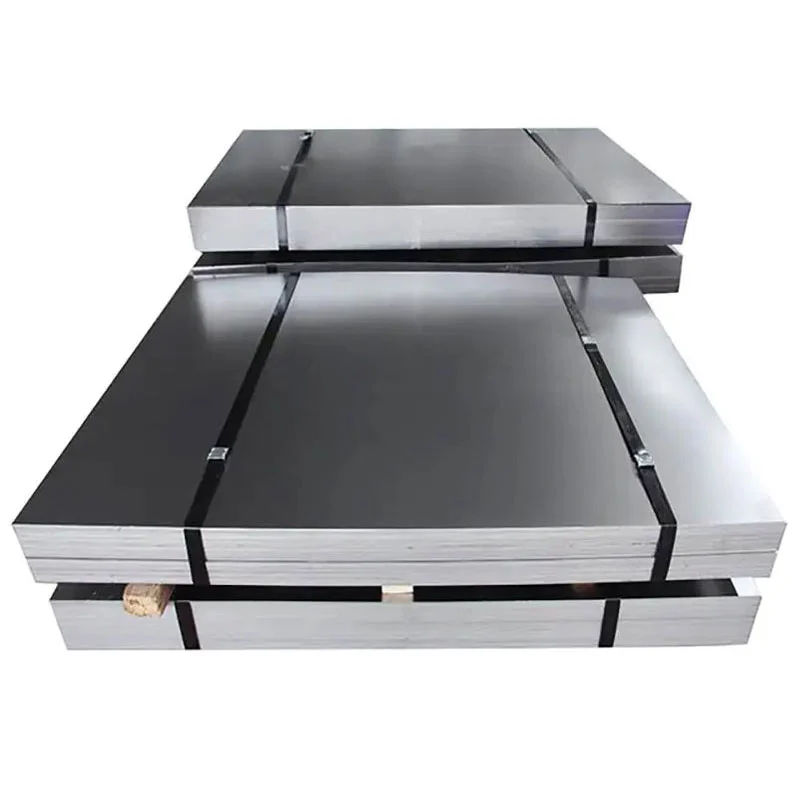
Strict quality control measures make sure that the features of the materials stay the same throughout production. Chemical composition analysis confirms the weight of the tin coating and its even distribution across the surfaces of the sheets. Tensile strength, elongation, and hardness values meet the requirements set by specifications, as shown by mechanical testing.
Advanced laser systems are used in surface quality screening to find flaws in the coating, such as scratches, dents, or contamination that could affect performance. Dimensional measurement systems keep an eye on changes in thickness and flatness, which are important for equipment that comes after.
Microstructural research looks at the structure of the steel's base grains and how well coatings stick to them. Through these tests, the material is ensured to work properly during the forming process and keep its protective properties over time.
Environmental testing mimics the conditions of storage and transport to check the stability and resistance to corrosion of coatings in a range of atmospheric conditions. Accelerated ageing tests can predict how something will work in the long run and show how it might break.
Conclusion
The excellent performance of the 2.8/2.8 Tinplate sheet 0.18 mm comes from its precise engineering and high-quality production. This material standard meets the tough needs of current package uses by offering better rust protection, great formability, and cost-effective production benefits. It's the best choice for food manufacturers, chemical packagers, and speciality container makers who want reliable, high-quality packaging solutions that keep products intact during distribution and storage because it has the right amount of protective properties and processing efficiency.
Partner with Three for Premium 2.8/2.8 Tinplate Sheet Solutions
Shandong Three Iron-Printing & Tin-Making Co., Ltd delivers exceptional 2.8/2.8 Tinplate sheet 0.18 mm solutions backed by advanced manufacturing capabilities and comprehensive quality assurance. Our experienced technical team provides customized specifications and reliable supply chain support for your packaging requirements. Contact info@threefoodcan.com to discuss your specific needs with a trusted 2.8/2.8 Tinplate sheet 0.18 mm supplier.
References
1. Smith, J.R. and Thompson, M.K. "Advanced Tinplate Technologies in Food Packaging Applications." International Journal of Metal Packaging Engineering, Vol. 45, No. 3, 2023, pp. 127-145.
2. Chen, L. and Rodriguez, A.P. "Corrosion Resistance Mechanisms in Electrolytic Tinplate Coatings." Materials Science and Surface Engineering Quarterly, Vol. 28, No. 2, 2023, pp. 89-103.
3. Williams, D.A. "Formability Characteristics of Ultra-Thin Tinplate in Industrial Applications." Manufacturing Technology Review, Vol. 67, No. 4, 2023, pp. 234-251.
4. Kumar, S. and Anderson, B.J. "Economic Analysis of Tinplate Gauge Reduction in High-Volume Can Manufacturing." Packaging Economics Annual, Vol. 12, 2023, pp. 156-172.
5. Taylor, R.M. "Quality Control Standards for Electrolytic Tinplate in Food Contact Applications." Food Packaging Safety Journal, Vol. 39, No. 1, 2023, pp. 78-94.
6. Garcia, M.E. and Lee, H.S. "Environmental Impact Assessment of Tinplate Recycling in Sustainable Packaging Systems." Green Manufacturing Perspectives, Vol. 21, No. 3, 2023, pp. 201-218.
YOU MAY LIKE