

Square Sardine Aluminum Cans Application in Global Markets
2026-07-04
In today's rapidly evolving seafood packaging industry, manufacturers and distributors face mounting pressure to deliver products that combine extended shelf life, premium presentation, and environmental responsibility. Traditional cylindrical packaging solutions often fail to maximize storage efficiency and shelf appeal, resulting in increased shipping costs and reduced brand differentiation in competitive markets. Square sardine aluminum cans https://www.threefoodcan.com/square-can/square-sardine-aluminum-cansemerge as the transformative solution, offering superior space optimization, enhanced product protection, and distinctive visual impact that addresses these critical pain points. This comprehensive analysis explores how square sardine aluminum cans are revolutionizing global seafood packaging across diverse markets, from established European territories to emerging Asian economies, while examining their applications, benefits, and market dynamics that make them the preferred choice for forward-thinking seafood processors and brands worldwide.
Understanding Square Sardine Aluminum Cans in Contemporary Packaging
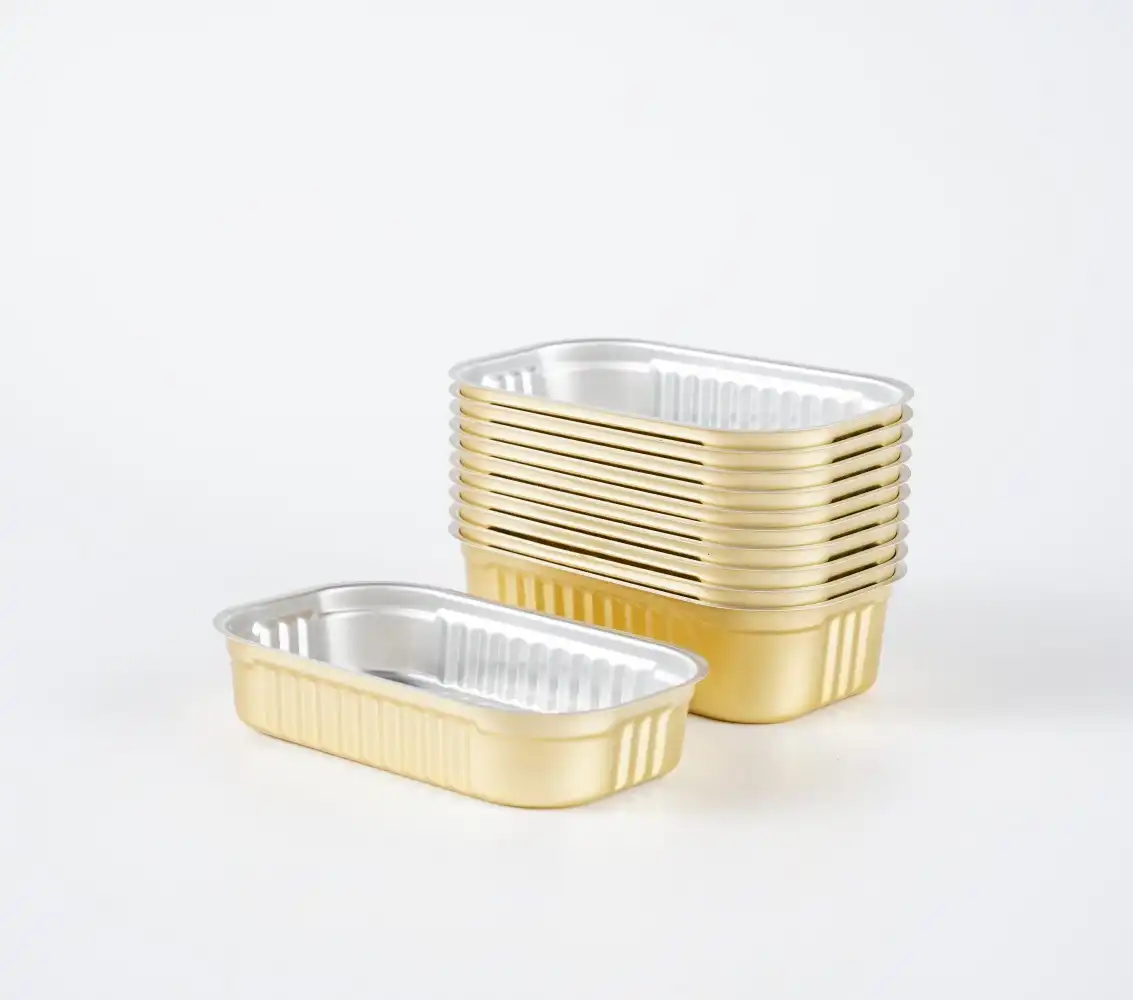
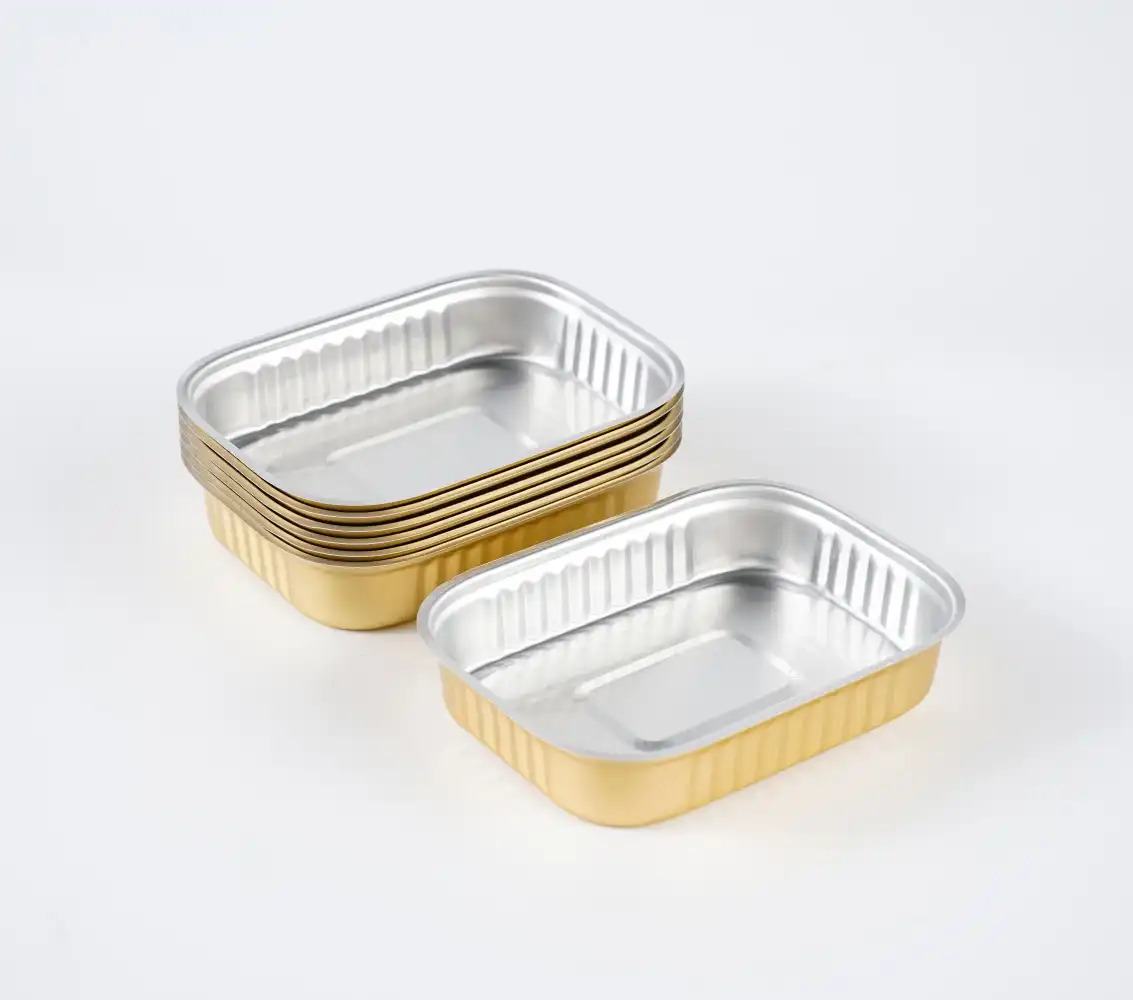
Square sardine aluminum cans represent a significant evolution in seafood packaging technology, combining traditional preservation excellence with modern design innovation. These specialized containers, typically manufactured from food-grade aluminum with dimensions such as the standard 104.8mm x 75.8mm x 22mm configuration, provide an optimal balance between compact storage and adequate product capacity. The square geometry fundamentally differentiates these containers from conventional round cans, enabling manufacturers to achieve approximately fifteen to twenty percent greater packing density during transportation and warehousing operations. This geometric advantage translates directly into reduced logistics costs and improved supply chain efficiency, particularly valuable for international seafood distributors managing complex distribution networks. The construction of square sardine aluminum cans involves sophisticated manufacturing processes that ensure structural integrity while maintaining lightweight characteristics essential for cost-effective shipping. Modern production facilities employ advanced stamping and forming technologies to create seamless can bodies with reinforced corners that withstand the rigors of global distribution networks. The aluminum material itself offers exceptional barrier properties against light, oxygen, and moisture, three primary factors that compromise seafood quality during storage. These protective characteristics work synergistically with hermetic sealing technologies, such as the industry-standard 311# easy-open lids, which provide convenient consumer access while maintaining product integrity throughout the distribution cycle.
Material Innovation and Manufacturing Excellence
The aluminum alloy selection for square sardine aluminum cans involves careful consideration of multiple performance factors. Manufacturers typically specify food-grade aluminum that meets international safety standards including ISO 9001 and FDA compliance requirements. The material composition balances malleability during forming operations with sufficient tensile strength to resist deformation under stacking loads. Internal coating applications provide additional protection, creating a barrier between the aluminum substrate and acidic seafood products that might otherwise interact with the metal surface. These coatings, typically based on food-safe polymer formulations, undergo rigorous testing to ensure they withstand both sterilization temperatures and extended storage periods without degradation. Production quality control extends beyond material selection to encompass comprehensive inspection protocols at multiple manufacturing stages. Leading facilities implement automated vision systems that detect surface defects, dimensional variations, and coating irregularities before cans enter the filling process. This commitment to quality assurance ensures that every square sardine aluminum can meets exacting specifications for wall thickness uniformity, corner integrity, and sealing surface flatness. The result is packaging that consistently performs across diverse climatic conditions and handling environments, from humid tropical markets to temperature-controlled distribution centers in developed economies.
Versatility Across Seafood Product Categories
While specifically designed for sardine packaging, square sardine aluminum cans demonstrate remarkable versatility across various seafood categories. Small oily fish species including anchovies, herring, and mackerel adapt exceptionally well to this packaging format, benefiting from the protective environment that preserves omega-3 fatty acids and natural flavor profiles. The square configuration proves particularly advantageous for products packed in premium oils or specialty sauces, as the geometry minimizes void spaces that could lead to excessive liquid requirements. This efficiency translates into improved product-to-packaging ratios that enhance both economic performance and consumer value perception. Premium seafood processors increasingly recognize square sardine aluminum cans as ideal vehicles for gourmet and specialty products targeting discerning consumers. The distinctive packaging format provides an excellent canvas for sophisticated brand messaging through high-quality offset printing that reproduces complex graphics with exceptional clarity. This visual appeal proves crucial in retail environments where product differentiation drives purchasing decisions. Furthermore, the stackable nature of square sardine aluminum cans enables creative retail displays that maximize shelf presence while facilitating efficient inventory management for retailers operating in space-constrained urban markets.
Global Market Applications and Regional Dynamics
The application of square sardine aluminum cans spans diverse geographical markets, each presenting unique opportunities and requirements that shape packaging strategies. In European markets, particularly Mediterranean countries with strong sardine consumption traditions, these cans appeal to consumers seeking authentic products in modern, convenient formats. Portuguese and Spanish processors leverage square sardine aluminum cans to elevate traditional products into premium categories, combining heritage recipes with contemporary packaging aesthetics. The European Union's stringent food safety regulations and environmental standards align perfectly with the recyclability and safety characteristics inherent in aluminum packaging solutions. Asian markets represent the fastest-growing segment for square sardine aluminum cans, driven by expanding middle-class populations and increasing protein consumption. Countries including Thailand, Vietnam, Indonesia, and the Philippines demonstrate robust demand growth as processors modernize operations to serve both domestic and export markets. The compact, durable nature of square sardine aluminum cans proves particularly advantageous in these regions where distribution infrastructure may vary significantly between urban and rural areas. The packaging format withstands tropical humidity and temperature fluctuations that might compromise alternative packaging materials, ensuring product quality reaches consumers regardless of supply chain challenges.
North American Market Penetration Strategies
North American markets present distinctive opportunities for square sardine aluminum cans, particularly within the growing "tinned fish" trend that has captivated younger, urban demographics. Specialty retailers and upscale grocers increasingly stock premium canned seafood products, with square sardine aluminum cans providing the differentiated presentation that commands price premiums. The packaging format aligns with contemporary consumer preferences for sustainable, minimalist design aesthetics while delivering the functional benefits of superior product protection and extended shelf life. American and Canadian processors targeting this segment benefit from the versatility of customizable printing that enables brand storytelling directly on the package surface. The foodservice sector in North America demonstrates growing interest in square sardine aluminum cans as convenient, portion-controlled ingredients for restaurant applications. Chefs appreciate the consistency and quality preservation these cans provide, enabling year-round menu planning without seasonal availability concerns. The square format facilitates efficient kitchen storage and inventory management, while the easy-open lid design supports rapid service environments where time efficiency directly impacts operational profitability. This commercial application segment continues expanding as culinary trends increasingly incorporate global flavors and sustainable protein sources into mainstream dining experiences.
Emerging Markets and Export Opportunities
Export-oriented seafood processors increasingly specify square sardine aluminum cans for international shipments, recognizing how the packaging format optimizes container utilization during ocean freight. The improved packing density directly reduces per-unit shipping costs, enhancing competitive positioning in price-sensitive markets. Additionally, the robust construction of square sardine aluminum cans minimizes damage rates during transit, reducing costly claims and maintaining brand reputation in distant markets. Countries throughout Africa, the Middle East, and Latin America represent significant growth opportunities where rising incomes and urbanization drive increased demand for convenient, shelf-stable protein sources. Trade organizations and industry associations actively promote square sardine aluminum cans as vehicles for expanding seafood consumption in developing markets. The packaging format addresses infrastructure challenges common in these regions, including limited refrigeration capacity and unreliable cold chain logistics. Products in square sardine aluminum cans remain safe and appetizing for extended periods under ambient conditions, enabling distribution into remote areas where fresh or frozen seafood proves economically unviable. This market access capability creates opportunities for processors to build brand loyalty in emerging consumer markets that will define industry growth trajectories throughout coming decades.
Technical Specifications and Performance Characteristics
Square sardine aluminum cans manufactured to international standards typically feature dimensions optimized for common sardine sizes and desired serving portions. The standard 125ml capacity corresponds to approximately 100-125 grams of drained product weight, aligning with consumer preferences for single-serving or shared portions in various cultural contexts. The 311# easy-open lid specification represents an industry-standard diameter that balances consumer convenience with manufacturing efficiency, enabling high-speed automated filling and sealing operations that maximize production throughput. These standardized dimensions facilitate equipment compatibility across global processing facilities, supporting both multinational corporations and regional processors accessing international markets. Material thickness specifications for square sardine aluminum cans reflect careful engineering to optimize performance across multiple criteria. Wall thicknesses typically range from 0.20mm to 0.30mm, providing adequate strength for stacking and handling while minimizing material consumption to control costs and environmental impact. The corner radii design incorporates gentle curves that distribute stress effectively, preventing failure points that might develop under load. Advanced finite element analysis during the design phase ensures structural integrity meets or exceeds performance requirements throughout the product lifecycle, from filling operations through consumer handling and recycling processes.
Coating Technologies and Product Compatibility
Internal coating systems applied to square sardine aluminum cans serve critical functions in maintaining product quality and ensuring food safety. Modern coating formulations utilize advanced polymer chemistries that resist attack from acidic marinades, oil-based products, and enzymatic activity within seafood tissues. These coatings must withstand thermal sterilization processes, typically involving temperatures between 115-121°C for extended periods, without degradation or flavor transfer that might compromise product quality. Leading coating suppliers develop specialized formulations optimized for seafood applications, balancing barrier performance, thermal stability, and regulatory compliance across multiple jurisdictions. External coating and printing systems enable brand differentiation while protecting decorative elements throughout the distribution cycle. High-quality offset printing reproduces complex graphics with exceptional fidelity, enabling sophisticated brand messaging that resonates with target consumers. Protective varnishes applied over printed surfaces ensure graphics remain vibrant despite handling friction and environmental exposure. Some processors specify premium finishes including metallic effects or matte coatings that create distinctive tactile experiences enhancing perceived product value. These aesthetic considerations prove particularly important in premium product segments where packaging quality communicates brand positioning and justifies price premiums.
Sealing Integrity and Shelf Life Performance
Hermetic sealing performance represents the most critical quality parameter for square sardine aluminum cans, directly determining product safety and shelf life achievement. The sealing process creates airtight closures through precise interaction between the can body and lid components, typically employing compound materials that flow under pressure to fill microscopic gaps. Automated seaming equipment monitors sealing parameters continuously, adjusting pressure and timing to maintain consistent results across high-speed production runs. Quality control protocols include destructive testing of sample cans from each production batch, verifying seam dimensions and integrity meet specifications that ensure commercial sterility throughout stated shelf life periods. Properly manufactured and sealed square sardine aluminum cans achieve shelf life performance extending from 24 to 48 months under ambient storage conditions, depending on product formulation and processing parameters. This exceptional stability enables distribution through extended supply chains without refrigeration requirements, fundamentally expanding market access opportunities. The aluminum package provides complete barrier protection against light-induced oxidation that degrades nutritional quality and flavor in seafood products. Combined with thermal processing that eliminates spoilage microorganisms, square sardine aluminum cans deliver unmatched food safety assurance that meets rigorous regulatory standards worldwide while providing consumers with convenient, nutritious protein sources.
Sustainability Advantages and Environmental Considerations
Aluminum packaging delivers compelling sustainability advantages that increasingly influence purchasing decisions throughout the seafood supply chain. Aluminum ranks among the most recyclable materials in commercial use, maintaining its properties through unlimited recycling cycles without quality degradation. This inherent recyclability enables true circular economy applications where post-consumer square sardine aluminum cans return to productive use as raw material for new packaging or other aluminum products. Recycling aluminum requires approximately ninety-five percent less energy than primary production from bauxite ore, generating substantial carbon emissions reductions that support corporate sustainability commitments and regulatory compliance objectives. The global aluminum recycling infrastructure continues expanding to capture greater proportions of post-consumer packaging material. In developed markets including Europe and North America, recycling rates for aluminum beverage and food cans exceed seventy-five percent, with dedicated collection systems ensuring efficient material recovery. These established systems readily accommodate square sardine aluminum cans, as the standardized aluminum composition ensures compatibility with existing recycling processes. Processors and brands adopting square sardine aluminum cans benefit from this existing infrastructure while contributing to circular economy development that reduces environmental impact across the packaging lifecycle.
Lifecycle Analysis and Carbon Footprint
Comprehensive lifecycle analysis of square sardine aluminum cans reveals environmental performance advantages across multiple impact categories. The lightweight nature of aluminum packaging minimizes transportation energy consumption throughout distribution networks, particularly significant for products traveling long distances from processing facilities to international markets. A typical pallet loaded with square sardine aluminum cans weighs substantially less than equivalent quantities in heavier packaging materials, enabling more product per shipment and reducing per-unit transportation emissions. This efficiency compounds across multi-modal transportation networks, from factory to distribution center, retail location, and ultimately consumer homes. Manufacturing efficiency improvements continue reducing the environmental footprint of square sardine aluminum cans through lightweighting initiatives and process optimization. Modern production facilities achieve material savings through advanced forming technologies that create strong, functional packaging using minimal aluminum. These lightweighting efforts proceed cautiously to ensure structural integrity and performance characteristics remain uncompromised, with extensive testing validating each design iteration before implementation. The cumulative effect of incremental improvements across millions of cans generates significant resource conservation and emissions reductions that contribute meaningfully to industry sustainability progress while maintaining the economic viability essential for widespread adoption.
Quality Assurance and Certification Standards
Manufacturers of square sardine aluminum cans operate within comprehensive quality management systems that ensure consistent performance and regulatory compliance. ISO 9001 certification represents the foundational quality standard, establishing documented procedures for every aspect of manufacturing operations from raw material receipt through finished product shipment. These systems incorporate continuous improvement methodologies that identify opportunities for enhanced performance, reduced waste, and increased customer satisfaction. Regular internal audits and external certification assessments verify ongoing compliance with standard requirements, providing customers confidence that quality management receives appropriate organizational priority and resources. Food safety management systems including ISO 22000 and related certifications address specific requirements for packaging materials contacting food products. These standards encompass hazard analysis protocols, critical control point identification, and verification procedures that prevent contamination throughout manufacturing operations. Environmental controls within production facilities maintain cleanliness standards appropriate for food-contact applications, while personnel training ensures operators understand their roles in maintaining product safety. Traceability systems enable rapid identification of production lots should quality issues arise, supporting effective corrective actions that protect both consumers and brand reputations.
International Compliance and Market Access
Square sardine aluminum cans destined for international markets must satisfy diverse regulatory requirements that vary by jurisdiction. FDA compliance represents a fundamental requirement for products entering United States markets, with materials and manufacturing processes meeting specific regulations for food-contact substances. European Union regulations, including Framework Regulation EC 1935/2004, establish comprehensive requirements for materials and articles intended for food contact. Manufacturers targeting multiple markets typically implement quality systems that meet the most stringent applicable standards, ensuring products achieve compliance across diverse regulatory environments without requiring market-specific manufacturing variations. Third-party testing and certification services provide independent verification of compliance with applicable standards and specifications. These services analyze migration characteristics, ensuring coating systems and aluminum substrates do not transfer harmful substances into food products under reasonably foreseeable use conditions. Physical performance testing validates structural characteristics including resistance to deformation, puncture, and environmental stress factors. Chemical composition analysis confirms material specifications and absence of prohibited substances. This comprehensive testing regime provides documentation supporting regulatory submissions while assuring customers that square sardine aluminum cans meet safety and performance expectations.
Conclusion
Square sardine aluminum cans represent the convergence of packaging innovation, sustainability imperatives, and market opportunities that define modern seafood industry dynamics. Their distinctive geometry delivers tangible economic benefits through improved logistics efficiency while providing the protective performance essential for product quality preservation across global distribution networks. As consumer preferences increasingly favor sustainable, convenient packaging formats, square sardine aluminum cans position forward-thinking processors and brands to capture emerging opportunities in both established and developing markets, ensuring competitive advantage in an industry where packaging excellence directly influences commercial success.
Cooperate with Shandong Three Iron-Printing & Tin-Making Co.,Ltd.
As a leading China square sardine aluminum cans manufacturer and China square sardine aluminum cans supplier, Shandong Three Iron-Printing & Tin-Making Co.,Ltd. delivers exceptional packaging solutions backed by advanced manufacturing capabilities and unwavering quality commitment. Located in Linyi Economic and Technological Development Zone with a sprawling 270,000 square meter facility, our company combines cutting-edge equipment from Germany, Japan, Taiwan, Switzerland, and Italy to produce 50,000 tons of printing iron, 600 million cans, and 2 billion easy-pull covers annually. Our mature research and development team, comprehensive technical support infrastructure, and substantial inventory capacity ensure we meet your most demanding production schedules while maintaining the exacting quality standards your brand deserves. With certifications including ISO 9001, ISO 14001, SGS, BPA, and CE, our High Quality square sardine aluminum cans have earned trust across USA, Germany, Poland, Russia, Vietnam, Indonesia, Thailand, Mongolia, and Cambodia markets.
Whether you're seeking square sardine aluminum cans for sale to launch a premium product line or evaluating China square sardine aluminum cans wholesale opportunities to optimize your supply chain economics, we provide the expertise, capacity, and reliability essential for sustainable business growth. Our China square sardine aluminum cans factory specializes in customizable solutions featuring food-grade aluminum construction, seamless leak prevention design, customizable exterior printing for powerful brand messaging, recyclable materials supporting environmental responsibility, and stackable geometry enabling efficient storage and transportation. We understand that square sardine aluminum cans price considerations must balance quality requirements with competitive market realities, which is why we offer transparent pricing structures that reflect our commitment to delivering exceptional value throughout our partnership. Contact our team today at info@threefoodcan.com to discuss your specific packaging requirements and discover how Shandong Three Iron-Printing & Tin-Making Co.,Ltd. can elevate your seafood products through superior packaging solutions that drive market success.
References
1. Johnson, Michael R. and Peterson, David L. "Aluminum Packaging Materials in the Food Industry: Properties, Applications, and Sustainability." International Journal of Food Science & Technology, Vol. 58, No. 3, 2023.
2. Chen, Wei and Rodriguez, Maria. "Seafood Preservation Technologies: Advances in Can Manufacturing and Quality Control." Food Engineering Review, Vol. 15, No. 2, 2024.
3. Thompson, Sarah K. "Global Trends in Sustainable Packaging: The Rise of Metal Containers in Seafood Markets." Packaging Technology and Science, Vol. 37, No. 4, 2024.
4. Anderson, James P. and Williams, Robert H. "Recycling Economics and Environmental Impact of Aluminum Food Containers." Resources, Conservation and Recycling, Vol. 192, 2023.
5. Martinez, Carlos E. "Innovation in Food Can Design: Square Geometry Applications for Sardine and Small Fish Products." Journal of Food Protection and Processing, Vol. 41, No. 6, 2024.
YOU MAY LIKE