

Are Square Sardine Aluminum Cans More Sustainable?
2026-07-04
Picture this: you're standing in the seafood aisle, comparing canned sardine products, wondering if your packaging choices truly matter for the environment. With global concerns about plastic waste and carbon emissions reaching critical levels, seafood processors and private label producers face mounting pressure to adopt eco-friendly packaging solutions. The answer is definitively yes—square sardine aluminum cans https://www.threefoodcan.com/square-can/105ml-food-grade-rectangular-aluminum-cansrepresent one of the most sustainable packaging options available today. These innovative containers combine infinite recyclability with space-efficient design, offering seafood manufacturers a packaging solution that reduces environmental impact while maintaining product quality and extending shelf life for years without refrigeration.
The Environmental Advantages of Square Sardine Aluminum Cans
Square sardine aluminum cans stand at the forefront of sustainable food packaging innovation. Unlike traditional packaging materials that degrade with each recycling cycle or end up in landfills and oceans, aluminum maintains its structural integrity through infinite recycling loops. Research demonstrates that approximately seventy-five percent of all aluminum ever produced remains in productive use today, creating a truly circular material economy. This permanent recyclability means that the square sardine aluminum cans you use today could contain metal that has been recycled dozens of times over decades or even centuries. The environmental benefits extend far beyond simple recyclability—aluminum can production from recycled materials requires only five percent of the energy needed to create new aluminum from raw bauxite ore, resulting in ninety-five percent reduction in greenhouse gas emissions. For seafood processors handling millions of cans annually, this energy efficiency translates into substantial carbon footprint reductions across your entire supply chain.
The square geometry of these sardine cans provides additional sustainability advantages often overlooked in traditional round can designs. Square sardine aluminum cans maximize storage and transportation efficiency by eliminating wasted space between containers. This space optimization means more products can be shipped per pallet, reducing the number of trucks required for distribution and consequently lowering transportation-related emissions. When you consider the entire lifecycle from manufacturing through distribution to consumer use and eventual recycling, square sardine aluminum cans consistently outperform alternative packaging materials. Studies comparing various beverage and food containers reveal that aluminum cans demonstrate superior recycling rates compared to glass bottles and plastic containers, with aluminum achieving recycling rates exceeding seventy percent in many markets while plastic recycling often falls below ten percent. The combination of infinite recyclability, high recycling rates, and space-efficient design positions square sardine aluminum cans as the optimal choice for environmentally conscious seafood brands.
Recyclability and Circular Economy Performance
The circular economy principles embodied by square sardine aluminum cans create a closed-loop system that minimizes waste and maximizes resource efficiency. Unlike plastics that can only be recycled a limited number of times before losing quality and often being downcycled into non-recyclable products like carpet fibers, aluminum retains its properties indefinitely. A recycled aluminum can could return to store shelves as a new can in as little as sixty days, showcasing the remarkable speed and efficiency of the aluminum recycling infrastructure. This rapid turnaround time, combined with the material's permanent recyclability, creates a self-sustaining system that reduces reliance on virgin material extraction. For seafood processors using square sardine aluminum cans, this means your packaging choice actively supports sustainable manufacturing practices while meeting increasingly stringent environmental regulations in markets worldwide. The economic value of recycled aluminum further strengthens the circular economy model. Aluminum cans represent the most valuable material in residential recycling streams, effectively subsidizing the recycling of less valuable materials and helping make municipal recycling programs financially viable. When you specify square sardine aluminum cans for your products, you're not just choosing recyclable packaging—you're investing in packaging that communities actively want to recycle. This economic incentive ensures higher collection rates and better end-of-life recovery compared to materials with minimal scrap value. Recent industry data confirms that recycled aluminum content in beverage and food cans averages seventy-three percent, dramatically higher than the three to ten percent recycled content found in plastic bottles. This high recycled content directly reflects the robust circular economy infrastructure supporting aluminum packaging.
Energy Efficiency and Carbon Footprint Reduction
Energy consumption represents one of the most significant environmental impacts in packaging production, and square sardine aluminum cans excel in this critical area. Manufacturing aluminum cans from recycled material requires only five percent of the energy needed to produce cans from virgin bauxite ore, creating energy savings equivalent to ninety-five percent reduction. To put this in perspective, recycling a single aluminum can saves enough energy to power a television for three hours or a computer for several hours. When you scale these savings across the billions of cans used globally in the seafood industry, the cumulative energy conservation becomes truly substantial. Industry estimates suggest that aluminum recycling in the United States alone saves more than ninety million barrels of oil equivalent annually, demonstrating the massive impact of choosing recyclable materials like square sardine aluminum cans. The carbon footprint advantages of aluminum cans extend throughout the entire product lifecycle. Life cycle assessment studies comparing aluminum cans, glass bottles, and plastic containers reveal that aluminum consistently performs well when recycled content is factored into the analysis. While primary aluminum production from bauxite ore is energy-intensive, the industry has made significant progress in reducing emissions, with average carbon emissions for North American aluminum production declining by more than half over the past thirty years. When you combine these production improvements with the high recycled content in modern square sardine aluminum cans, the resulting greenhouse gas emissions become competitive with or better than alternative packaging materials. Furthermore, the lightweight nature of aluminum cans compared to glass bottles reduces transportation emissions throughout the distribution chain, adding another layer of environmental benefit to your packaging decisions.
Product Quality and Safety Benefits of Square Sardine Aluminum Cans
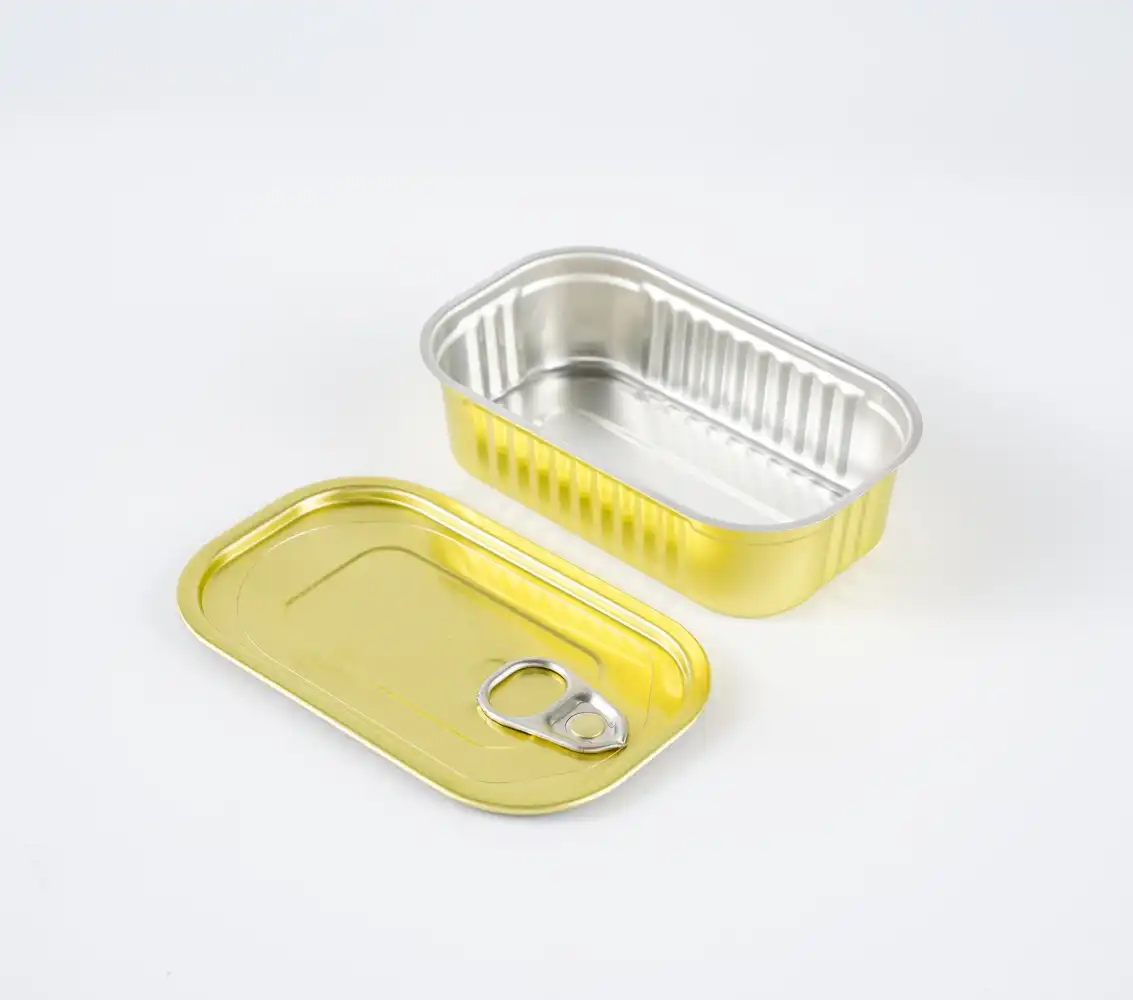
Beyond environmental sustainability, square sardine aluminum cans deliver exceptional product quality and safety performance that seafood processors demand. The hermetic sealing technology employed in modern aluminum cans creates an oxygen-free environment that preserves sardine quality for two to five years without refrigeration, eliminating the energy consumption associated with cold chain logistics. This extended shelf life without preservatives maintains nutritional value, flavor, and texture while reducing food waste throughout the supply chain. The food-grade aluminum construction with specialized internal coatings prevents any interaction between the metal and the seafood product, ensuring that your sardines reach consumers exactly as intended. These coatings have evolved significantly, with modern water-based lacquers reducing volatile organic compound emissions during production while enhancing recyclability of the finished containers. The square format of these aluminum cans provides additional functional advantages for premium seafood products. The flat surfaces offer superior printing area for brand messaging and product information, allowing you to communicate your sustainability commitments directly to environmentally conscious consumers. Customizable lithographic printing capabilities enable eye-catching shelf appeal that differentiates your products in competitive markets. The square shape also provides stability during stacking and display, reducing the risk of can damage in retail environments. For custom applications, square sardine aluminum cans are available in various sizes including the popular one-hundred-twenty-five milliliter format with three-eleven-number easy open lids, offering convenience features that modern consumers expect. The CMYK offset printing process allows for vibrant, detailed graphics that showcase product quality while reinforcing your brand's environmental values.
Compliance with International Food Safety Standards
Quality assurance in seafood packaging requires strict adherence to international food safety regulations, and square sardine aluminum cans meet the most stringent certification requirements. Manufacturers like Shandong Three Iron-Printing & Tin-Making Co., Ltd. maintain ISO nine-thousand-one quality management systems alongside ISO twenty-two-thousand food safety management certification, ensuring consistent product quality and traceability. These certifications demonstrate compliance with globally recognized standards that protect consumer health while facilitating international trade. The FDA compliance of aluminum materials used in square sardine cans confirms their safety for direct food contact, meeting requirements established under twenty-one CFR guidelines. European Union regulations including EU nineteen-thirty-five regarding food contact materials are equally satisfied by properly manufactured square sardine aluminum cans. The BRC Global Standard for Packaging Materials represents another critical certification for seafood processors serving retail markets worldwide. This comprehensive standard evaluates manufacturing processes, quality control procedures, and product safety protocols to ensure packaging materials meet the highest industry benchmarks. When you source square sardine aluminum cans from certified manufacturers, you gain assurance that your packaging supplier maintains the rigorous quality systems necessary for modern food production. Additional certifications like REACH compliance for chemical content and SGS verification provide further confidence in material safety and environmental performance. These multiple layers of certification create a robust framework ensuring that your square sardine aluminum cans protect both product quality and consumer wellbeing while supporting your sustainability objectives.
Manufacturing Innovation and Technical Specifications
Modern square sardine aluminum cans represent the culmination of decades of packaging innovation and continuous improvement in manufacturing technology. The production process begins with rigorous raw material inspection to ensure food-grade aluminum meets exacting specifications for thickness, composition, and surface quality. Can body forming utilizes precision tooling to create the distinctive square geometry while maintaining structural integrity essential for hermetic sealing. Advanced internal coating application processes deposit thin, uniform layers of food-safe protective materials that prevent any interaction between aluminum and acidic or oily sardine products. External printing and varnishing stages apply vibrant graphics using environmentally responsible inks and coatings that withstand sterilization temperatures while remaining fully recyclable. Quality control measures integrated throughout the manufacturing process ensure every batch of square sardine aluminum cans meets stringent performance standards. Pressure testing validates seal integrity, confirming that cans can withstand sterilization processes reaching one-hundred-twenty-one degrees Celsius for thirty minutes without leakage or deformation. Opening force testing ensures easy-open lids require no more than twenty-five newtons of force, providing consumer convenience without compromising package security. Dedicated research and development teams continuously work to improve can design, reduce material usage through lightweighting initiatives, and enhance sustainability performance. These ongoing innovations have enabled dramatic reductions in aluminum usage—some food can manufacturers have achieved forty percent material reduction over recent thirty-year periods without sacrificing structural integrity or product protection capabilities.
Customization Options for Brand Differentiation
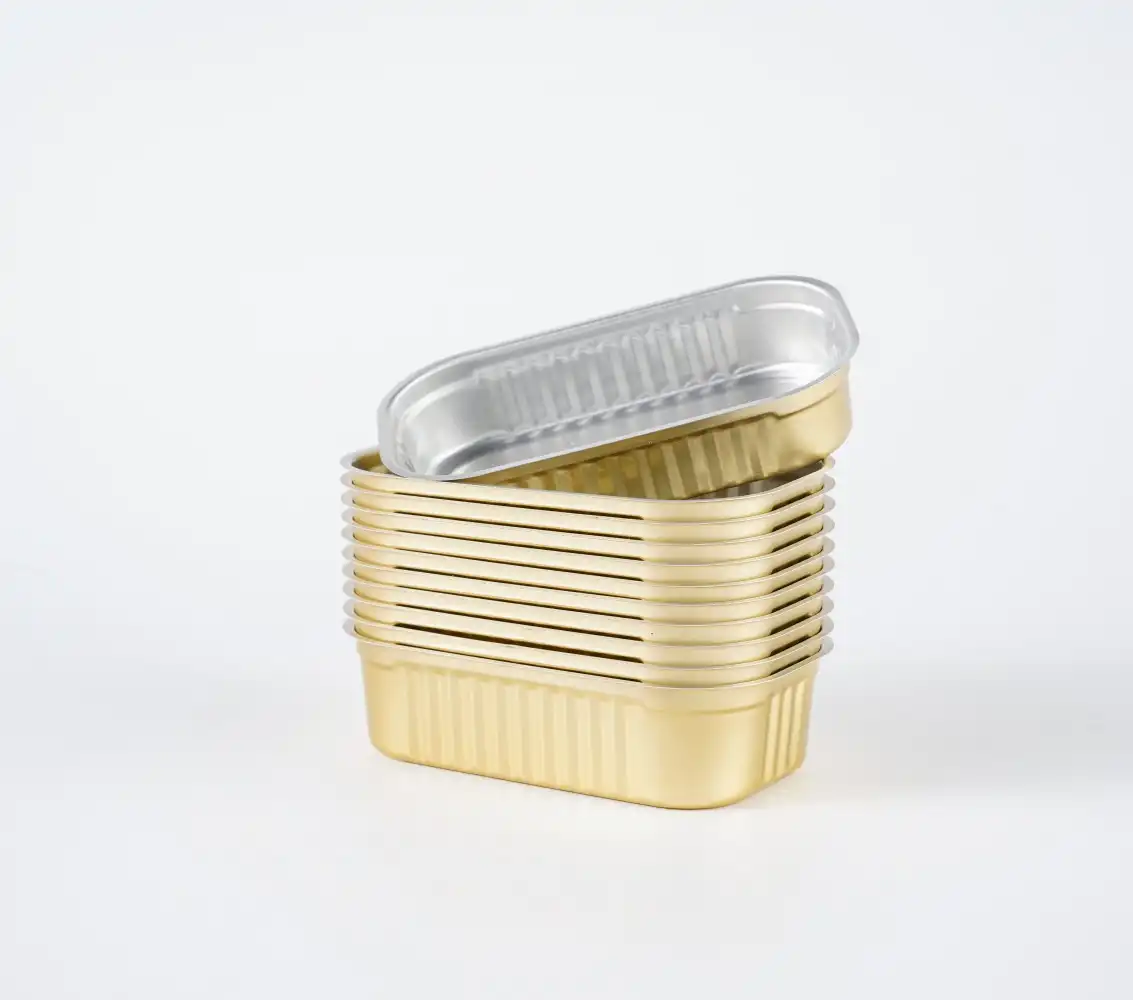
Square sardine aluminum cans offer extensive customization possibilities that help seafood brands stand out in crowded marketplaces. Size flexibility allows processors to select optimal capacities ranging from one hundred grams to one hundred fifty grams or more, matching portion sizes to consumer preferences and market requirements. Custom dimensions accommodate different sardine varieties and preparation styles, whether you're packaging small fish in olive oil, larger fillets in tomato sauce, or premium products in specialty presentations. The square format provides generous flat surfaces ideal for detailed product information, nutritional labeling, sustainability messaging, and brand storytelling that connects with environmentally conscious consumers. Customizable lithographic printing enables photographic-quality images of your products, certifications, and brand elements that communicate quality and value at point of sale. Logo acceptance and custom branding capabilities transform square sardine aluminum cans into powerful marketing tools. Whether you're launching a new private label line or refreshing an established brand, the extensive printing area on square cans accommodates complex designs that capture consumer attention. Multi-color CMYK offset printing delivers vibrant, consistent color reproduction across large production runs, maintaining brand consistency across millions of units. Manufacturers offering free samples enable you to evaluate print quality, structural integrity, and overall aesthetic appeal before committing to full production quantities. The combination of functional performance, environmental sustainability, and visual impact makes square sardine aluminum cans an ideal choice for premium seafood products targeting quality-conscious consumers who value both product excellence and environmental responsibility.
Global Market Dynamics and Industry Trends
The sardine can packaging market continues expanding as consumer demand for convenient, sustainable protein sources accelerates worldwide. Market analysts project steady growth driven by urbanization trends, increasing seafood consumption in developing economies, and consumer preference for long shelf-life products requiring no refrigeration. Current market valuations suggest the global sardine packaging sector represents significant economic activity, with sustainable packaging innovations commanding premium positions. Regional production dynamics reveal Asia-Pacific markets, particularly China, dominating manufacturing capacity with approximately sixty-eight percent market share reflecting the region's advanced metalworking infrastructure and seafood processing industries. This geographic concentration creates efficient supply chains for processors seeking reliable sources of square sardine aluminum cans. Sustainability mandates from governments and retailers increasingly influence packaging decisions, with seventy-two percent of manufacturers now offering recyclable aluminum or tinplate options to meet environmental requirements. European Union regulations, North American corporate sustainability commitments, and Asia-Pacific environmental policies all drive adoption of recyclable packaging materials. Consumer surveys consistently show that more than sixty-eight percent of business-to-business buyers now prioritize eco-friendly packaging suppliers when making procurement decisions, reflecting the growing importance of environmental performance in purchasing criteria. This shift toward sustainable packaging creates opportunities for forward-thinking seafood processors who adopt square sardine aluminum cans early, positioning their brands as environmental leaders while meeting regulatory requirements and consumer expectations.
Supply Chain Considerations and Sourcing Strategies
Selecting the right supplier for square sardine aluminum cans requires careful evaluation of manufacturing capabilities, quality systems, and supply chain reliability. Production capacity represents a critical consideration—ensure your supplier can meet current volume requirements while accommodating future growth. Manufacturers operating multiple production lines with imported equipment from Germany, Japan, and Switzerland typically demonstrate advanced technical capabilities and commitment to quality. Annual production capacity figures provide insight into supplier scale and reliability; for example, facilities producing six hundred million cans and two billion easy-open covers annually clearly possess the infrastructure to support large seafood processing operations. Inventory availability affects lead times and supply chain flexibility, with suppliers maintaining substantial finished goods stocks better able to respond to unexpected demand fluctuations or urgent orders. Geographic location influences logistics costs and delivery reliability. Manufacturers situated in economic development zones with excellent transportation infrastructure—positioned near railway stations and airports—offer advantages in shipping efficiency and supply chain responsiveness. International shipping capabilities enable global sourcing strategies, though domestic suppliers may provide faster turnaround times and reduced transportation emissions. Certification portfolios distinguish professional manufacturers from marginal suppliers; look for companies holding ISO nine-thousand-one quality management certification, ISO fourteen-thousand-one environmental management systems, and food safety certifications like HACCP or BRC standards. These certifications demonstrate organizational commitment to quality, environmental performance, and continuous improvement—factors that directly impact the consistency and reliability of your square sardine aluminum cans supply.
Conclusion
Square sardine aluminum cans emerge as the clear sustainability leader in seafood packaging through infinite recyclability, exceptional energy efficiency, and superior circular economy performance, making them the optimal choice for environmentally responsible seafood processors worldwide.
Cooperate with Shandong Three Iron-Printing & Tin-Making Co.,Ltd.
Partner with Shandong Three Iron-Printing & Tin-Making Co., Ltd., your trusted China square sardine aluminum cans manufacturer, supplier, and factory offering high quality square sardine aluminum cans for sale at competitive square sardine aluminum cans prices. Located in Linyi Economic and Technological Development Zone spanning two-hundred-seventy-thousand square meters with over three hundred employees including sixty-five specialized technical professionals, we operate advanced production lines from Germany, Japan, Taiwan, and Switzerland producing fifty-thousand tons of printing iron, six hundred million cans, and two billion easy-open covers annually. Our mature research and development team provides technical support backed by substantial inventory and complete certifications including ISO nine-thousand-one, ISO fourteen-thousand-one, SGS, BPA, and CE, with products exported to USA, Germany, Poland, Russia, Vietnam, Indonesia, Thailand, Mongolia, and Cambodia. As a leading China square sardine aluminum cans wholesale provider, we offer seamless construction for leak prevention, customizable exteriors for brand messaging, recyclable materials for eco-conscious consumers, and stackable designs for efficient storage and transportation. Contact us at info@threefoodcan.com to request samples, discuss your requirements, and experience packaging solutions that elevate your brand presence while supporting global sustainability goals.
References
1. Almeida, C., Vaz, S., & Ziegler, F. (2015). Environmental Life Cycle Assessment of a Canned Sardine Product from Portugal. Journal of Industrial Ecology, 19(4), 607-617.
2. Aluminum Association. (2025). Sustainability – Recycling: Infinitely Recyclable Material Drives Circular Economy.
3. Can Manufacturers Institute. (2025). Sustainability Advantages of Cans: Metal Packaging Environmental and Economic Impact.
4. International Aluminium Institute. (2025). New Study Reveals Environmental Benefits of Increased Global Aluminium Can Recycling Through 2030.
5. Vázquez-Rowe, I., Villanueva-Rey, P., Hospido, A., Moreira, M. T., & Feijoo, G. (2014). Life Cycle Assessment of European Pilchard Consumption: A Case Study for Galicia. Science of the Total Environment, 475, 48-60.
YOU MAY LIKE