

Metal Cans | Steel & Aluminum Can Manufacturing
2025-12-04
In today's competitive packaging landscape, businesses face a critical challenge: finding reliable, food-safe metal container solutions that protect product integrity while meeting stringent regulatory standards. Whether you're packaging sauces, ready-to-eat meals, or specialty beverages, the wrong packaging choice can lead to product spoilage, customer complaints, and lost market share. Metal cans, particularly 125ml food grade rectangular aluminum cans, have emerged as the industry's answer to these challenges, offering superior protection, sustainability, and brand differentiation that modern consumers demand.
Understanding Modern Metal Can Manufacturing Technologies
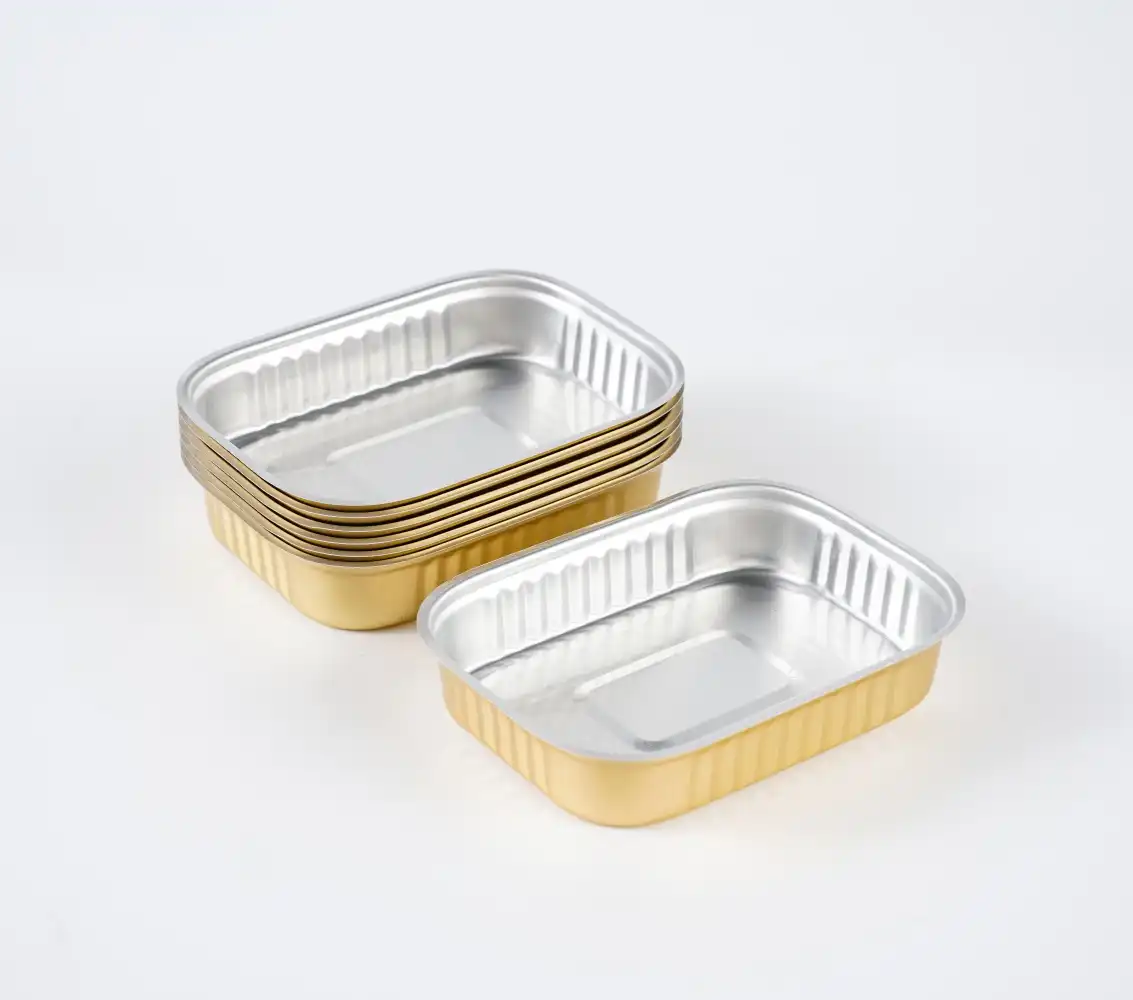
The evolution of metal can manufacturing has transformed how businesses approach product packaging. Modern facilities utilize advanced production methods that ensure consistent quality, food safety compliance, and cost-effectiveness. The manufacturing process begins with premium-grade aluminum or steel sheets that undergo rigorous quality testing before entering production lines. These materials are specifically engineered to meet food-grade standards, ensuring no contamination or chemical interaction with packaged contents. Contemporary manufacturing facilities employ two primary production methods: three-piece welded construction and two-piece drawn processes. The three-piece method involves forming cylindrical bodies from flat metal sheets, creating vertical seams through precision welding, and attaching top and bottom ends through double-seaming techniques. This approach offers exceptional flexibility in can dimensions and shapes, making it ideal for specialized packaging needs like 125ml food grade rectangular aluminum cans. The two-piece drawn process, conversely, creates seamless containers by punching metal discs into cup shapes and then drawing them to final dimensions, eliminating side seams entirely and providing enhanced structural integrity for high-pressure applications. Manufacturing precision extends beyond basic forming operations. Modern production lines integrate automated inspection systems that monitor wall thickness, seam integrity, and dimensional accuracy at speeds exceeding thousands of units per minute. Interior coating applications represent another critical manufacturing stage, where food-safe epoxy or polymer linings are sprayed onto can interiors and cured in high-temperature ovens. These coatings prevent metal-product interactions, preserve taste profiles, and extend shelf life significantly. For products like 125ml food grade rectangular aluminum cans, coating uniformity becomes especially important due to the rectangular geometry requiring precise application at corners and edges.
-
Advanced Quality Control in Can Production
Quality assurance in metal can manufacturing encompasses multiple verification stages throughout production. Initial material inspection confirms aluminum or steel sheets meet specified chemical compositions, thickness tolerances, and surface quality standards. During forming operations, dimensional gauging systems continuously monitor can height, diameter, and wall thickness, automatically rejecting out-of-specification units before they progress further in production. Seam integrity testing employs both mechanical pressure testing and visual inspection systems using high-resolution cameras and artificial intelligence algorithms to detect microscopic defects that could compromise hermetic sealing. Coating inspection represents another critical quality checkpoint. Manufacturers utilize electrical conductivity testing to verify complete interior coating coverage, as any bare metal spots could lead to corrosion or product contamination. For 125ml food grade rectangular aluminum cans specifically, coating thickness measurements at corners and along edges receive particular attention since these areas experience greater stress during filling and handling operations. Final quality verification includes leakage testing through pressurization or vacuum methods, ensuring every container maintains product integrity throughout distribution and storage.
-
Customization Capabilities for Brand Differentiation
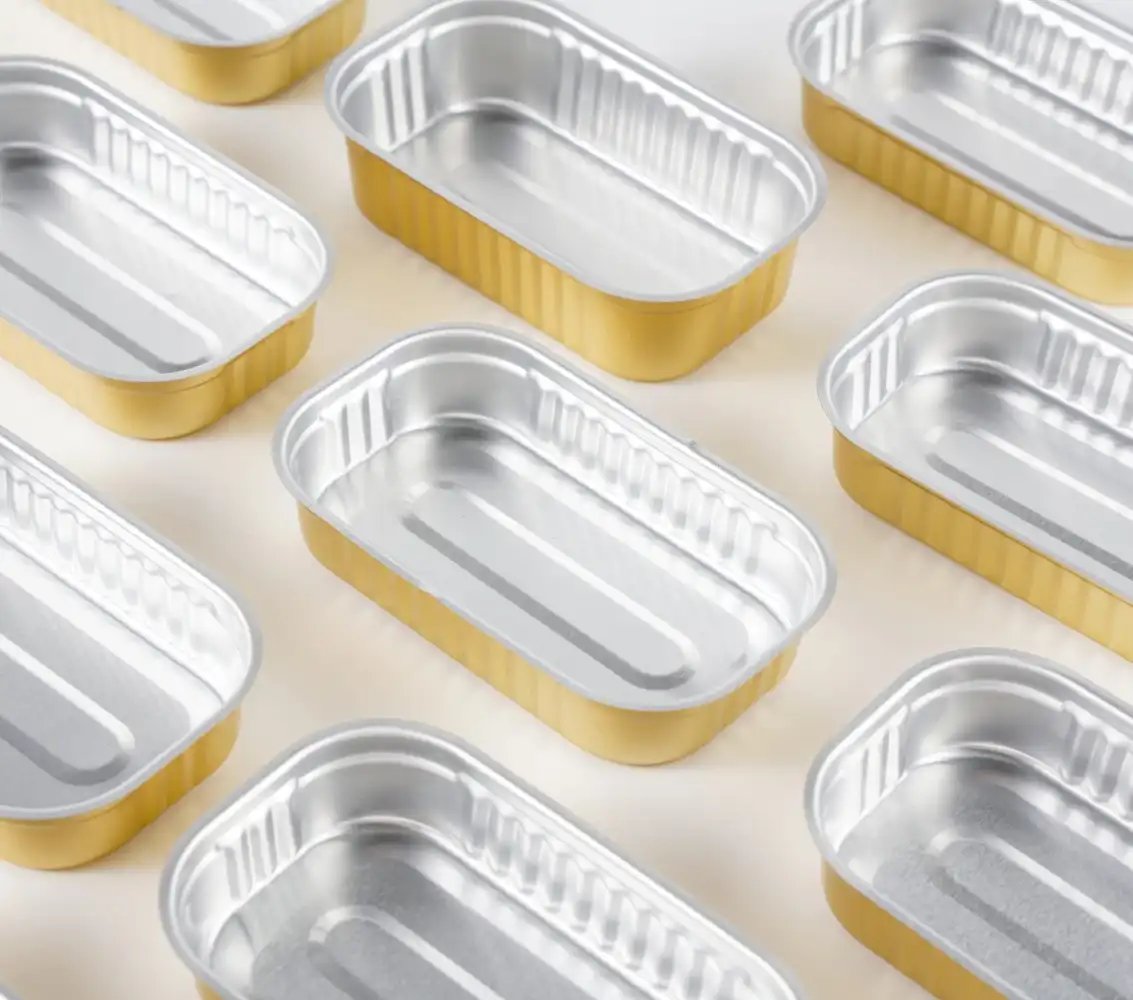
Modern metal can manufacturing offers extensive customization options that enable brands to create distinctive packaging identities. Exterior printing capabilities have advanced dramatically, with offset lithography systems now capable of reproducing photographic-quality images, intricate patterns, and vibrant color gradients across can surfaces. For rectangular formats like 125ml food grade rectangular aluminum cans, printing complexity increases due to multiple panel orientations, yet contemporary equipment handles these challenges seamlessly through precision registration systems. Beyond standard printing, manufacturers now offer specialized surface treatments including matte finishes, tactile coatings, thermochromic inks that change color with temperature, and metallic effects that create premium shelf appeal. Embossing and debossing capabilities add three-dimensional elements to can designs, creating tactile brand experiences that differentiate products in crowded retail environments. Custom can shapes represent the ultimate differentiation strategy, with tooling investments enabling unique rectangular, oval, or completely custom geometries that become synonymous with specific brands.
The Advantages of 125ml Food Grade Rectangular Aluminum Cans
Rectangular aluminum cans in the 125ml capacity range offer specific advantages that make them increasingly popular across multiple product categories. The rectangular footprint provides superior space utilization compared to cylindrical alternatives, allowing more efficient packing configurations during shipping and retail display. This geometric efficiency translates to reduced transportation costs and optimized shelf space utilization, benefits that compound significantly across large-scale distribution networks. The 125ml capacity hits a sweet spot for portion-controlled products, single-serve applications, and premium offerings where consumers value convenience and freshness. Products packaged in 125ml food grade rectangular aluminum cans maintain optimal quality because consumers typically finish contents in single use occasions, eliminating concerns about product degradation after opening. This portion size particularly appeals to health-conscious consumers seeking controlled serving sizes and to travel or outdoor enthusiasts requiring portable, lightweight packaging solutions. Aluminum's material properties provide additional functional benefits. The metal's excellent thermal conductivity enables rapid chilling, important for beverages and temperature-sensitive foods. Aluminum's complete impermeability to light, oxygen, and moisture creates ideal barrier properties that preserve product quality indefinitely when properly sealed. Unlike plastic alternatives that may allow gradual oxygen ingress, 125ml food grade rectangular aluminum cans maintain hermetic sealing throughout extended shelf life periods. The lightweight nature of aluminum reduces shipping weights substantially compared to glass or steel alternatives while maintaining comparable strength and damage resistance.
-
Sustainability and Environmental Performance
Environmental considerations increasingly drive packaging decisions, and aluminum cans excel across multiple sustainability metrics. Aluminum remains the most recycled packaging material globally, with recycling rates exceeding seventy percent in many developed markets. The material's infinite recyclability means aluminum from 125ml food grade rectangular aluminum cans can be reprocessed repeatedly without quality degradation, creating truly circular material flows. Recycling aluminum requires only five percent of the energy needed for primary production, delivering substantial carbon footprint reductions for each recycling cycle. Manufacturers have dramatically reduced material usage through lightweighting initiatives. Modern 125ml food grade rectangular aluminum cans utilize significantly less metal than equivalent containers from previous decades, achieved through advanced metallurgy and precision forming techniques that maintain structural performance with thinner walls. These material reductions compound across billions of annual production units, eliminating thousands of tons of aluminum consumption and associated production emissions. The rectangular format itself contributes to sustainability by enabling efficient transportation and storage configurations that reduce per-unit logistics impacts.
Metal Can Applications Across Industries
Metal cans serve remarkably diverse product categories, each leveraging the containers' protective properties differently. Food manufacturers utilize metal cans for products requiring extended shelf stability without refrigeration, including sauces, condiments, prepared meals, seafood, and meat products. The hermetic sealing and heat sterilization compatibility of cans like 125ml food grade rectangular aluminum cans enable room-temperature distribution of products that would otherwise require costly cold-chain logistics. Beverage applications represent another major category, spanning carbonated soft drinks, energy drinks, craft beers, wines, and specialty coffee products. The pressure-bearing capability of aluminum cans makes them ideal for carbonated beverages, while recent innovations in nitrogen dosing and widget technologies have enabled their use for draft-quality beers and cold-brew coffees. The 125ml format particularly suits premium beverage applications where brands emphasize quality over quantity, positioning products as sophisticated alternatives to standard serving sizes.
-
Emerging Applications in Personal Care and Pharmaceuticals
Non-food applications for metal cans continue expanding as brands recognize the containers' premium positioning and functional benefits. Personal care products including hair styling products, deodorants, shaving creams, and skincare formulations increasingly appear in metal can packaging. The containers provide excellent protection for volatile organic compounds in cosmetic formulations while projecting upscale brand imagery that justifies premium pricing strategies. For travel-sized products, 125ml food grade rectangular aluminum cans offer TSA-compliant volumes with superior durability compared to plastic alternatives. Pharmaceutical and nutraceutical applications represent another growth sector for metal can packaging. Vitamins, dietary supplements, protein powders, and specialized nutritional products benefit from aluminum's superior barrier properties that prevent moisture ingress and oxidation that could degrade active ingredients. The tamper-evident capabilities of metal can closures provide consumer confidence in product integrity, while opaque aluminum construction protects light-sensitive formulations more effectively than transparent alternatives.
Selecting the Right Metal Can Manufacturing Partner
Choosing a metal can supplier requires careful evaluation of multiple factors beyond unit pricing. Manufacturing capacity represents a fundamental consideration, as suppliers must accommodate both current volume requirements and anticipated growth. Established manufacturers like Shandong Three Iron-Printing & Tin-Making Co., Ltd. operate multiple production lines capable of producing hundreds of millions of units annually, ensuring consistent supply availability even during demand surges. Production flexibility matters equally, particularly for brands requiring seasonal volume fluctuations or rapid response to market opportunities. Technical capabilities distinguish manufacturing partners significantly. Advanced facilities offer comprehensive services spanning initial design consultation, prototype development, production tooling creation, high-speed manufacturing, quality verification, and logistics coordination. For specialized formats like 125ml food grade rectangular aluminum cans, manufacturing expertise becomes particularly critical since rectangular geometries present unique forming challenges requiring specialized equipment and process knowledge. Partners with extensive rectangular can experience can identify potential design issues early, suggesting modifications that optimize manufacturability without compromising aesthetic or functional requirements.
-
Certification and Compliance Considerations
Regulatory compliance represents non-negotiable requirements for food-contact packaging. Reputable manufacturers maintain current certifications demonstrating adherence to applicable food safety standards. ISO 9001 certification verifies quality management systems meet internationally recognized standards, while ISO 14001 certification confirms environmental management compliance. For products destined for international markets, manufacturers should hold relevant market-specific certifications such as FDA registration for United States distribution, BRCGS certification for European markets, and applicable certifications for Asian Pacific regions. Material certifications document that aluminum and coatings used in 125ml food grade rectangular aluminum cans meet food-contact regulations. Suppliers should readily provide material safety documentation, migration testing results confirming coatings don't transfer harmful substances to packaged products, and compliance declarations for specific regulations like FDA 21 CFR or European Union Regulation 10/2011. BPA-free coating certifications have become increasingly important as consumers and regulators scrutinize packaging materials for endocrine-disrupting compounds.
Conclusion
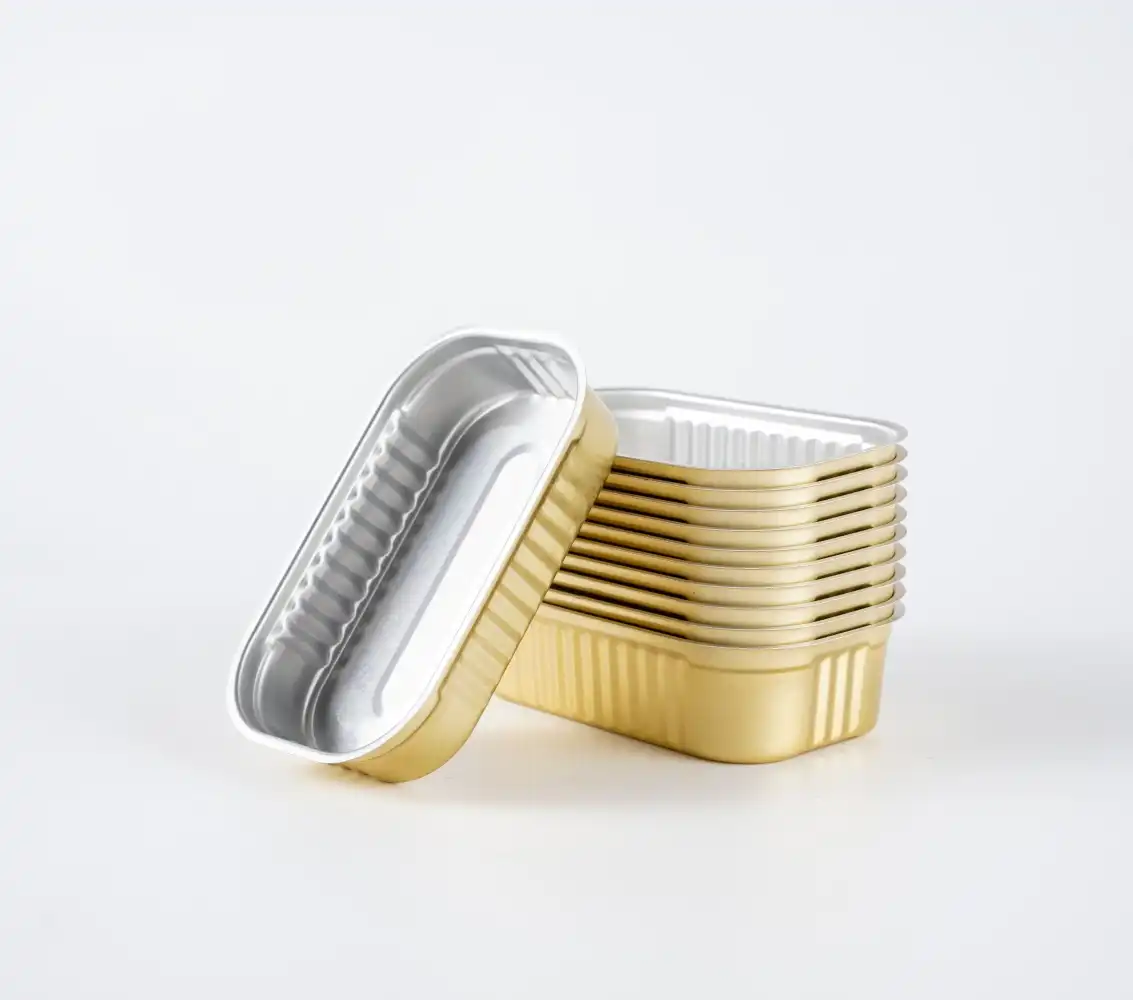
Metal can manufacturing combines advanced technologies, stringent quality standards, and sustainable materials to deliver packaging solutions that meet modern market demands. The 125ml food grade rectangular aluminum cans exemplify how specialized container formats address specific application needs while providing environmental benefits and brand differentiation opportunities that drive commercial success in competitive markets.
Cooperate with Shandong Three Iron-Printing & Tin-Making Co., Ltd.
Shandong Three Iron-Printing & Tin-Making Co., Ltd. stands as a leading China 125ml food grade rectangular aluminum cans manufacturer with comprehensive production capabilities spanning over 270,000 square meters in the Linyi Economic and Technological Development Zone. Our facility houses advanced equipment from Germany, Japan, Taiwan, Switzerland, and Italy, including high-speed aerosol production lines and precision stamping equipment that collectively produce 50,000 tons of printed metal, 600 million cans, and 2 billion easy-open ends annually.
As a trusted China 125ml food grade rectangular aluminum cans supplier and China 125ml food grade rectangular aluminum cans factory, we maintain ISO9001:2008 and ISO14001:2004 certifications alongside SGS, BPA, and CE compliance. Our mature R&D team delivers technical support backed by strong financial stability and large inventory reserves ensuring consistent supply. Whether you need China 125ml food grade rectangular aluminum cans wholesale or High Quality 125ml food grade rectangular aluminum cans for specialized applications, our seamless construction, customizable exteriors, recyclable materials, and stackable designs provide durable, eco-friendly packaging solutions. Contact us today at info@threefoodcan.com to discuss competitive 125ml food grade rectangular aluminum cans price options and discover why businesses worldwide trust our 125ml food grade rectangular aluminum cans for sale to elevate their brand presence and product protection.
References
1. Robertson, Gordon L. "Food Packaging: Principles and Practice." CRC Press, Third Edition.
2. Handbook of Aluminum: Vol. 1 - Physical Metallurgy and Processes. Edited by George E. Totten and D. Scott MacKenzie. Marcel Dekker, Inc.
3. "Metal Packaging: Technology and Applications for Food, Beverages and Personal Care Products." Theobald, Brendan. Packaging Technology and Science Journal.
4. "Sustainability of Metal Packaging." International Organization of Aluminum Can Manufacturers. Environmental Impact Assessment Report.
YOU MAY LIKE