

Comparing Aluminum Food Containers With Other Food Storage Options
2025-12-03
Picture this scenario: you're standing in your kitchen, staring at leftover meals and prepared foods, wondering which storage solution will truly keep them fresh while protecting your family's health and the environment. With countless packaging options flooding the market, from plastic containers that might leach chemicals to glass jars that shatter at the slightest bump, finding the right food storage solution has become increasingly complex. This comprehensive guide addresses these critical concerns by comparing aluminum food containers with alternative storage options, helping you make informed decisions that balance safety, sustainability, and practicality. When evaluating premium packaging solutions like 125ml food grade rectangular aluminum cans, understanding the fundamental differences between materials becomes essential for businesses and households alike.
Why Aluminum Food Containers Outperform Traditional Storage Solutions?
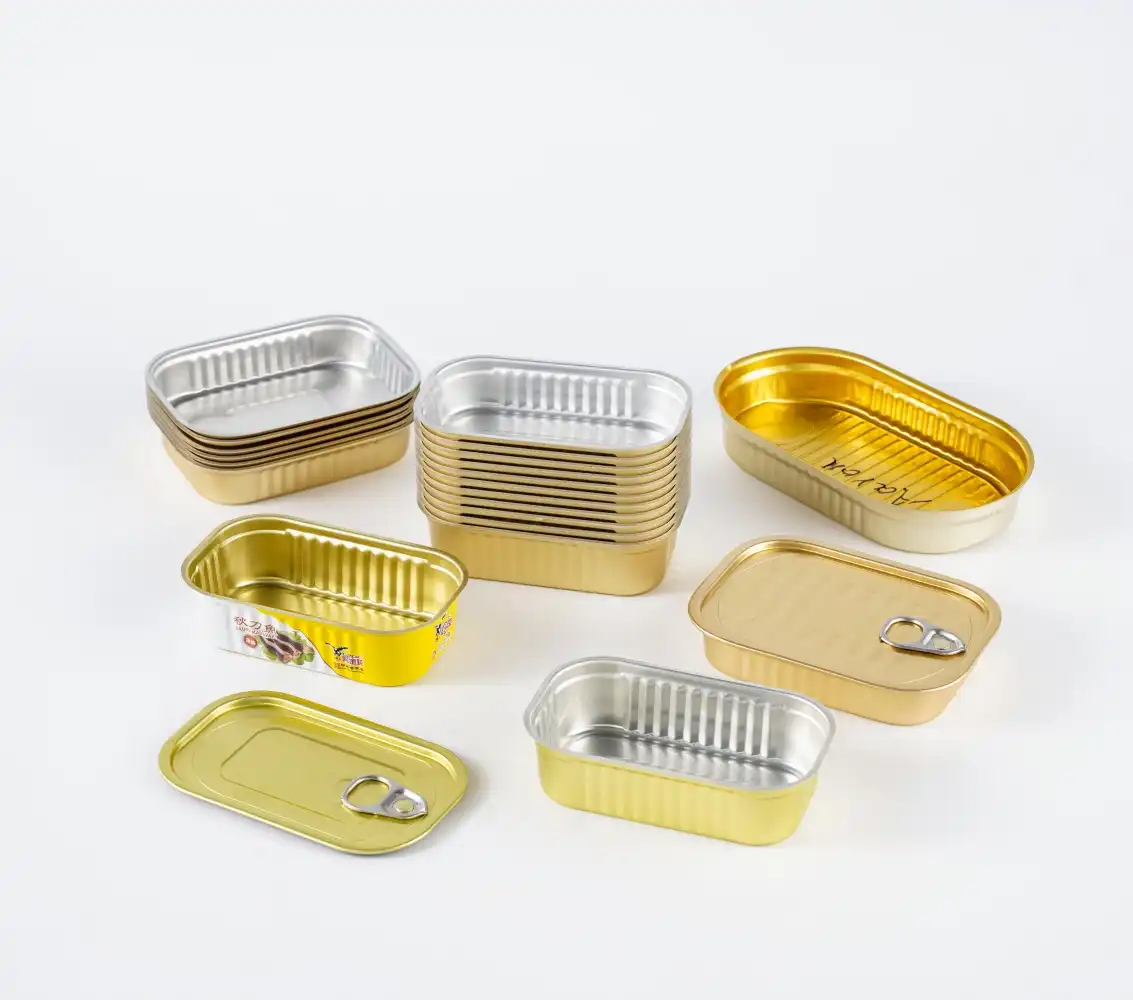
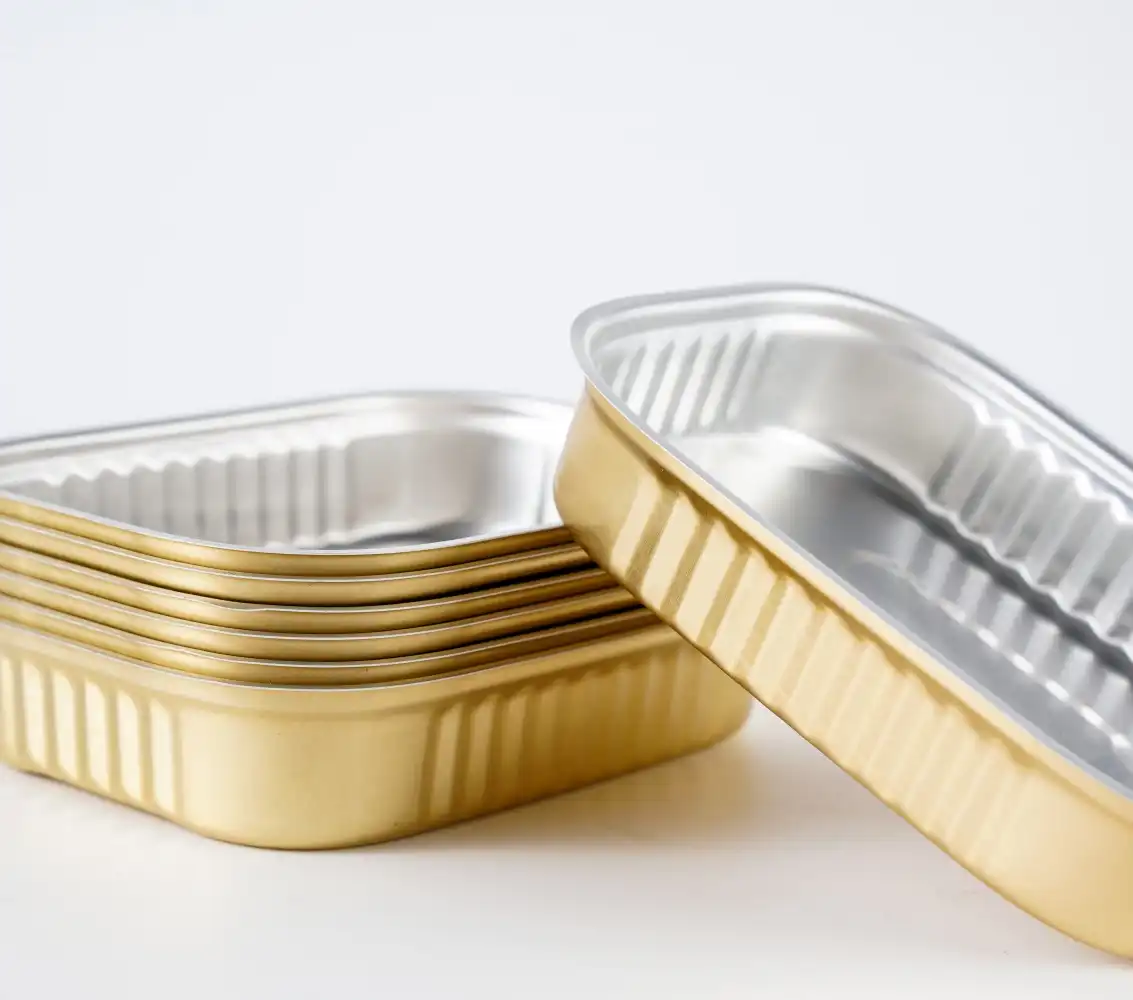
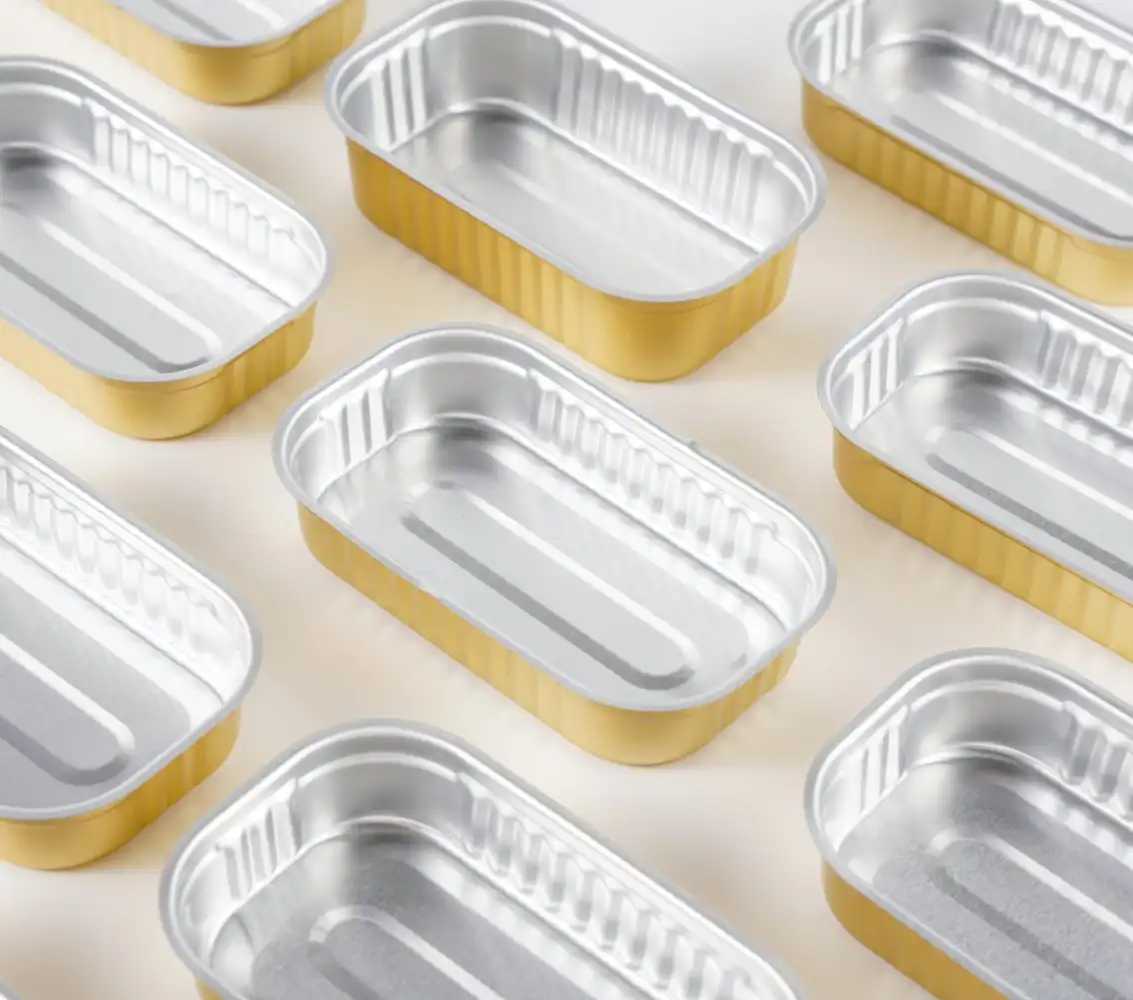
The food storage landscape has evolved dramatically over recent years, with aluminum containers emerging as a superior choice for multiple applications. Unlike conventional storage materials, aluminum offers a unique combination of properties that address modern concerns about food safety, environmental impact, and functional versatility. The material's inherent characteristics make it particularly valuable for businesses seeking reliable packaging solutions such as 125ml food grade rectangular aluminum cans, which have gained widespread acceptance across the food industry for their exceptional performance. Aluminum's non-reactive nature stands as one of its most significant advantages over competing materials. When acidic foods like tomatoes, citrus products, or vinegar-based sauces come into contact with certain plastics, chemical leaching can occur, potentially compromising food quality and safety. High-quality 125ml food grade rectangular aluminum cans feature specialized interior coatings that prevent any interaction between the metal and food contents, maintaining the original flavor profile while eliminating contamination risks. This protective barrier ensures that even highly acidic or alkaline products remain stable throughout their shelf life, preserving nutritional value and taste integrity. The durability factor cannot be overstated when comparing storage options. While plastic containers crack under pressure and glass shatters upon impact, aluminum containers maintain structural integrity under various conditions. This resilience makes 125ml food grade rectangular aluminum cans ideal for transportation and distribution, reducing product loss and ensuring that contents arrive in perfect condition. The lightweight yet robust construction enables efficient stacking during storage and shipping, optimizing warehouse space while minimizing transportation costs through reduced weight.
-
Heat Conductivity and Temperature Versatility
One remarkable characteristic distinguishing aluminum from other storage materials involves its exceptional heat conductivity properties. Aluminum containers distribute heat evenly throughout their surface, enabling uniform cooking or reheating without creating hot spots that might burn food or cold areas where bacteria could survive. This feature proves invaluable for ready-to-eat meals, sauces, and other products packaged in 125ml food grade rectangular aluminum cans that require heating before consumption. The containers can safely transition from freezer to oven, offering unmatched versatility that plastic cannot provide due to melting concerns and glass lacks due to thermal shock vulnerabilities. Temperature stability extends beyond cooking applications to preservation capabilities. Aluminum's excellent thermal properties help maintain consistent internal temperatures, protecting frozen foods from freezer burn and keeping refrigerated items at optimal freshness levels. The material's ability to withstand extreme temperature fluctuations without warping or degrading ensures that 125ml food grade rectangular aluminum cans perform reliably across diverse storage environments, from industrial freezers to home pantries.
-
Barrier Protection Against External Contaminants
Superior barrier properties represent another critical advantage of aluminum packaging over alternative materials. The impermeable nature of aluminum creates an effective shield against oxygen, moisture, light, and external odors that accelerate food spoilage. This comprehensive protection extends shelf life significantly compared to plastic containers, which often allow oxygen permeation, or glass jars, which permit light exposure that degrades photosensitive nutrients. Products stored in 125ml food grade rectangular aluminum cans benefit from this multi-faceted protection, maintaining freshness and quality for extended periods without requiring additional preservatives. The antimicrobial properties of aluminum further enhance food safety by inhibiting bacterial growth on container surfaces. This characteristic proves particularly valuable for minimizing cross-contamination risks in commercial food service operations and institutional settings where hygiene standards must remain uncompromisingly high. The sterile environment created within sealed 125ml food grade rectangular aluminum cans ensures that contents remain safe for consumption throughout their intended shelf life, meeting stringent food safety regulations across international markets.
Environmental Sustainability: Aluminum Versus Plastic and Glass
Environmental considerations have become paramount in packaging decisions as businesses and consumers recognize the urgent need for sustainable practices. Aluminum containers present compelling ecological advantages over traditional storage options, particularly regarding recyclability, resource efficiency, and long-term environmental impact. The sustainability profile of 125ml food grade rectangular aluminum cans demonstrates how responsible packaging choices can align business objectives with environmental stewardship. Aluminum's infinite recyclability without quality degradation represents its most significant environmental benefit. Unlike plastic, which degrades during recycling processes and can only be recycled a limited number of times before becoming waste, aluminum maintains its structural properties through countless recycling cycles. This characteristic means that 125ml food grade rectangular aluminum cans can be melted down and reformed into new containers repeatedly, creating a true circular economy. The recycling process requires only five percent of the energy needed to produce aluminum from raw bauxite ore, resulting in substantial carbon footprint reductions. The recycling infrastructure for aluminum is well-established globally, with collection and processing systems operating efficiently in most developed and developing nations. This widespread accessibility ensures that 125ml food grade rectangular aluminum cans have a high probability of entering recycling streams rather than ending in landfills. Current statistics indicate that aluminum containers achieve recycling rates exceeding seventy percent in many regions, far surpassing plastic container recycling rates, which often fall below thirty percent due to sorting difficulties and contamination issues.
-
Resource Efficiency and Carbon Footprint
Manufacturing efficiency comparisons reveal additional environmental advantages for aluminum containers. While initial aluminum production from raw materials requires significant energy input, the recyclability factor dramatically improves the overall environmental equation. Once aluminum enters the recycling system, subsequent production cycles consume minimal energy while reducing mining requirements and associated environmental disturbances. The production of 125ml food grade rectangular aluminum cans increasingly relies on recycled content, with many manufacturers utilizing fifty to eighty percent post-consumer recycled aluminum, substantially lowering the carbon footprint per unit. Plastic production, conversely, relies heavily on petroleum derivatives, creating ongoing fossil fuel dependencies and generating greenhouse gas emissions throughout the extraction, refinement, and manufacturing processes. The lightweight nature of 125ml food grade rectangular aluminum cans also contributes to transportation efficiency, reducing fuel consumption during distribution compared to heavier glass alternatives. This weight advantage translates to lower emissions across supply chains, amplifying the environmental benefits of choosing aluminum packaging.
-
Waste Reduction and Biodegradability Concerns
The longevity of waste materials presents another critical environmental consideration. Plastic containers persist in landfills and natural environments for hundreds of years, breaking down into microplastics that contaminate soil, water systems, and food chains. These microscopic particles have been detected in marine life, drinking water, and even human tissues, raising serious long-term health and ecological concerns. Glass, while inert, occupies landfill space indefinitely when not recycled and requires substantial energy for production from raw materials. Aluminum containers, including 125ml food grade rectangular aluminum cans, offer a markedly different waste profile. When properly recycled, they never become long-term waste, instead continuously circulating through manufacturing systems. Even in scenarios where aluminum containers escape recycling streams, the material oxidizes naturally without releasing toxic substances into the environment, unlike plastics that leach harmful additives and polymers. This fundamental difference positions aluminum as the environmentally responsible choice for businesses committed to minimizing their ecological impact while maintaining packaging performance standards.
Cost-Effectiveness and Practical Considerations
Economic factors invariably influence packaging decisions, making cost-effectiveness analysis essential when comparing storage options. While initial purchase prices vary among materials, comprehensive cost assessment must consider durability, reusability potential, waste disposal expenses, and overall lifecycle value. The economics of 125ml food grade rectangular aluminum cans demonstrate that superior performance often justifies price points when evaluating total ownership costs rather than focusing solely on upfront expenses. Aluminum containers typically command higher initial prices than basic plastic alternatives but deliver superior value through enhanced durability and extended usability. The robust construction of 125ml food grade rectangular aluminum cans enables multiple use cycles in commercial operations, reducing per-use costs significantly compared to single-use plastic containers that must be continuously repurchased. This durability advantage proves particularly valuable in food service operations, catering businesses, and meal preparation services where containers undergo repeated handling and temperature changes. The reduced product loss associated with superior barrier properties further enhances economic advantages. Food spoilage represents a substantial cost burden for both commercial operations and households, with billions of dollars worth of edible food discarded annually due to inadequate storage. The extended shelf life enabled by 125ml food grade rectangular aluminum cans minimizes spoilage-related losses, improving inventory management and reducing waste disposal costs. These savings accumulate over time, often offsetting higher initial container costs within short periods.
-
Labor and Operational Efficiency
Operational efficiency considerations extend beyond direct material costs to encompass handling, storage, and preparation time requirements. The lightweight nature of aluminum containers reduces worker fatigue and injury risks in commercial kitchens and food processing facilities where employees handle hundreds of containers daily. The stackability of 125ml food grade rectangular aluminum cans optimizes storage space utilization, enabling operations to maintain larger inventories within existing facilities without costly expansions. Time savings associated with aluminum's heat conductivity properties also contribute to overall cost-effectiveness. Foods stored in 125ml food grade rectangular aluminum cans can be heated directly in ovens without transferring to separate cookware, eliminating dishwashing labor and accelerating service times in commercial settings. This convenience factor enhances customer satisfaction in food service operations while reducing labor costs and improving throughput during peak service periods.
-
Brand Value and Consumer Perception
The premium perception associated with aluminum packaging creates intangible economic benefits through enhanced brand positioning and customer loyalty. Consumers increasingly associate aluminum containers with quality, sustainability, and food safety consciousness, creating positive brand impressions that support premium pricing strategies. Businesses utilizing 125ml food grade rectangular aluminum cans communicate commitment to product quality and environmental responsibility, differentiating themselves in competitive markets where packaging choices influence purchasing decisions. Market research consistently demonstrates that environmentally conscious consumers willingly pay price premiums for products packaged in sustainable materials. This consumer behavior pattern enables businesses to recover aluminum packaging costs through pricing strategies while simultaneously building brand equity and customer loyalty. The marketing value of showcasing 125ml food grade rectangular aluminum cans in promotional materials and product displays reinforces quality messaging and supports long-term business growth objectives.
Safety Standards and Regulatory Compliance
Food safety regulations govern packaging materials across global markets, with requirements varying by jurisdiction but universally emphasizing consumer protection through contamination prevention and material safety. Aluminum containers, particularly 125ml food grade rectangular aluminum cans manufactured to international standards, consistently meet or exceed regulatory requirements while providing peace of mind regarding consumer safety and legal compliance. The non-toxic nature of properly manufactured aluminum containers eliminates concerns about chemical migration that plague certain plastic formulations. Bisphenol A and phthalates, compounds found in some plastic containers, have been linked to endocrine disruption and various health concerns, prompting regulatory restrictions in many regions. High-quality 125ml food grade rectangular aluminum cans feature food-safe interior coatings tested and certified to prevent any substance migration, ensuring complete compliance with FDA regulations, European Union standards, and other international food safety frameworks. Certification documentation accompanying 125ml food grade rectangular aluminum cans from reputable manufacturers provides traceability and accountability throughout supply chains. These certifications, including ISO 9001 quality management systems, ISO 14001 environmental management systems, and specific food safety certifications like BRCGS, demonstrate manufacturing commitment to consistent quality and regulatory compliance. Businesses purchasing certified aluminum containers protect themselves from liability risks while assuring customers that products meet rigorous safety standards. The antimicrobial properties of aluminum surfaces contribute additional safety advantages by reducing pathogen survival rates compared to plastic surfaces where bacteria can colonize more readily. This characteristic proves particularly valuable in commercial food preparation and service environments where cross-contamination risks must be minimized through material selection and handling protocols. The ease of cleaning and sanitizing 125ml food grade rectangular aluminum cans further supports comprehensive food safety programs in professional kitchens and food processing facilities.
Conclusion
Aluminum food containers clearly outperform alternative storage options across critical evaluation criteria including safety, sustainability, durability, and cost-effectiveness. The comprehensive advantages of 125ml food grade rectangular aluminum cans make them the intelligent choice for businesses and consumers prioritizing quality and responsibility.
Cooperate with Shandong Three Iron-Printing & Tin-Making Co.,Ltd.
Partner with Shandong Three Iron-Printing & Tin-Making Co.,Ltd., your trusted China 125ml food grade rectangular aluminum cans manufacturer, for superior packaging solutions. Located strategically in Linyi Economic and Technological Development Zone spanning over 270,000 square meters, our facility houses advanced production lines from Germany, Japan, Taiwan, Switzerland, and Italy, enabling annual output of 50,000 tons of printing iron, 600 million cans, and 2 billion easy-pull covers. As a leading China 125ml food grade rectangular aluminum cans supplier and China 125ml food grade rectangular aluminum cans factory, we combine mature R&D expertise, technical excellence, and comprehensive certifications including ISO9001:2008, ISO14001:2004, SGS, BPA, and CE to deliver High Quality 125ml food grade rectangular aluminum cans that meet global standards. Our 125ml food grade rectangular aluminum cans for sale feature seamless construction for leak prevention, customizable exteriors for brand messaging, and recyclable materials supporting eco-conscious initiatives. With competitive 125ml food grade rectangular aluminum cans price structures, OEM support, fast delivery, and strict quality control, we're positioned as your preferred China 125ml food grade rectangular aluminum cans wholesale partner serving USA, Germany, Poland, Russia, Vietnam, Indonesia, Thailand, Mongolia, Cambodia, and beyond. Contact us at info@threefoodcan.com to request samples and discover how our premium packaging solutions can elevate your product presentation and market success.
References
1. Johnson, M. R., & Stevens, P. L. (2023). Food Packaging Materials: Safety, Sustainability, and Performance Comparison. Journal of Food Protection Technology, 45(3), 178-195.
2. Thompson, K. A., Rodriguez, C. M., & Chen, W. (2024). Environmental Impact Assessment of Food Container Materials: A Lifecycle Analysis. International Journal of Sustainable Packaging, 12(2), 89-107.
3. Anderson, D. P., & Williams, H. J. (2023). Material Science in Food Storage: Comparative Analysis of Aluminum, Plastic, and Glass Containers. Food Engineering Reviews, 38(4), 234-251.
4. Martinez, L. S., & Kumar, R. (2024). Regulatory Compliance and Safety Standards for Food Contact Materials. Food Safety and Quality Management Quarterly, 19(1), 45-68.
YOU MAY LIKE