STRUCTURAL ANALYSIS OF METAL PACKAGING
2025-07-09
STRUCTURAL ANALYSIS OF METAL PACKAGING
Metal Food Can Structure and Materials - Tin plate, tin free steel and polymer coated steels are the most commonly used materials for the manufacture of Metal Food Cans.
Tin Plate – Tin plate is usually sheet metal with a layer of tin electroplated to either side of the metal to help prevent corrosion and the transfer of metals into the food product. Electroplating tin to the sheet metal (as apposed to hot-dipping), allows for absolute control over the desired thickness of the tin plating. Tin plate is relatively inexpensive, highly durable, magnetic, and is recyclable. However, the layer of electroplated tin onto the metal of the can sometimes does react with the contents. Especially highly acidic foods such as fruits and vegetables. This can be remedied by applying a polymer lining.
Polymer Coated Steel – Basically, steel cans that have been coated in a specific, plastic polymer, such as polyvinylidene fluoride (PVDF), perfluoro alkoxy alkane (PFA), polyethylene terephthalate (PET), and polypropylene (PP) as protective coatings. Metals are not inert to food products. Especially, the more acidic fruits and vegetables. For this reason, polymer coated steels provide additional protection from interaction with the product, and against corrosion of the can. Thereby improving the preservation of freshness and taste.
Stainless Steel – Stainless steel is extremely corrosion resistant, and even chemically inert. Which makes it ideal for packaging food products. However, stainless steel is expensive. And is typically only used for larger, bulk containers (such as beer and wine kegs).
Hybrid Containers – A newer technology that provides the lighter weight and versatility of high-barrier plastic with the stability and strength of aluminum. (Collapsing of the container walls, known as "paneling", is rare on Hybrid containers) Hybrid containers can be microwaved, have long shelf-lives, and present excellent barrier capabilities against light, gases, and moisture.
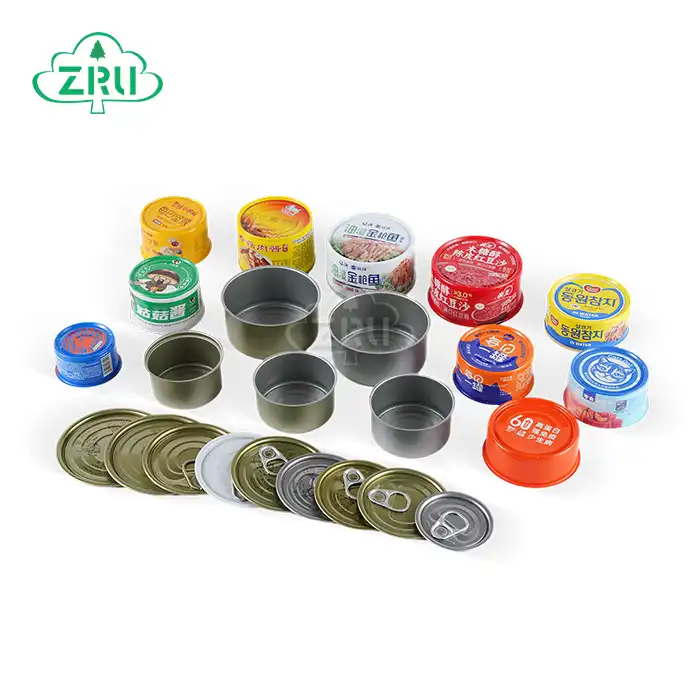
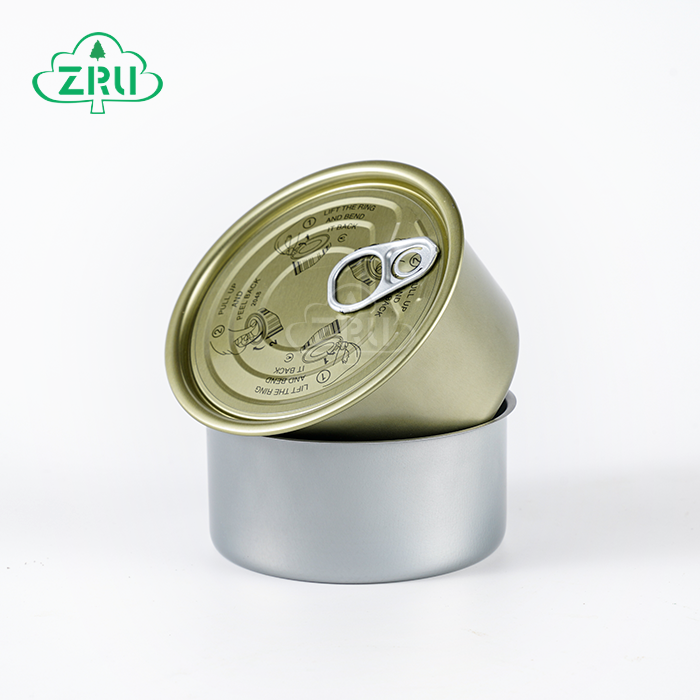
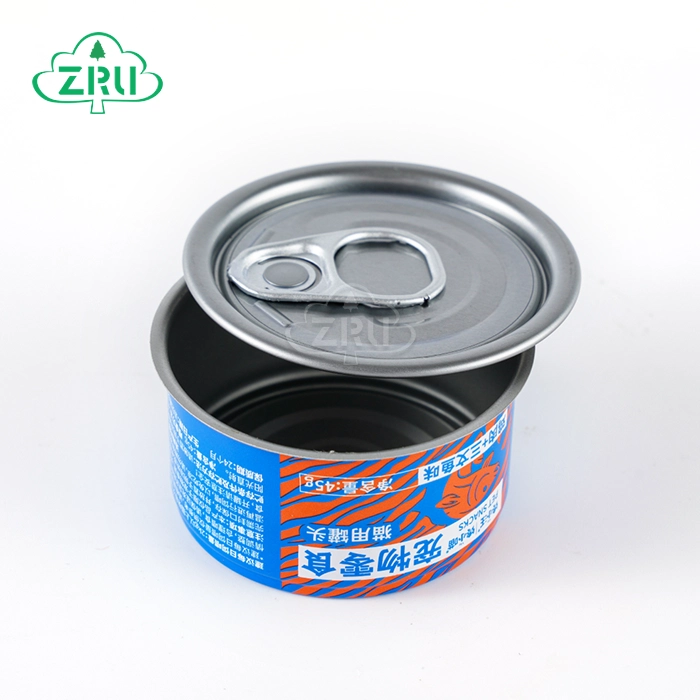
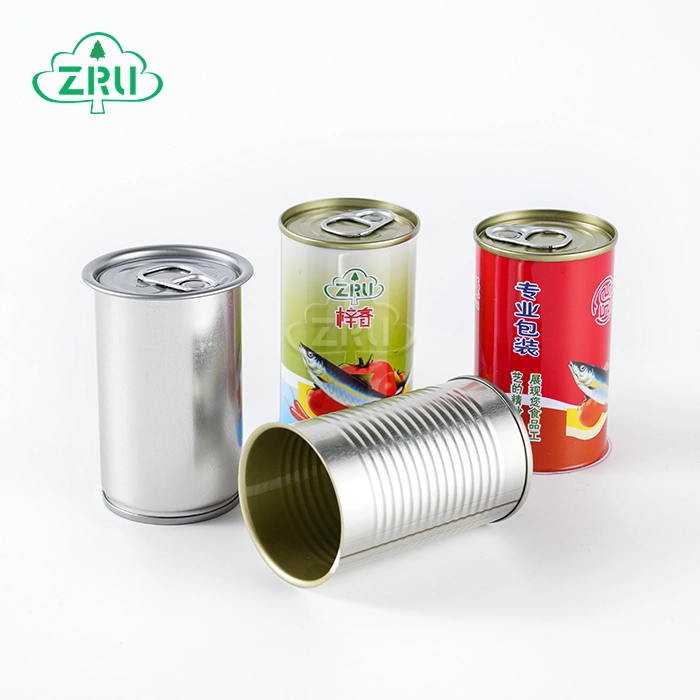
Two Piece, or Draw Redraw (DRD) Cans – These cans are manufactured as two parts. The body and the lid. The body is created by pressing or stamping a sheet of metal into a pre-formed shape via a machine called a “cupping press”. The only seam is at the top end. Where the lid will be pressed and crimped on after the can has been filled with product.
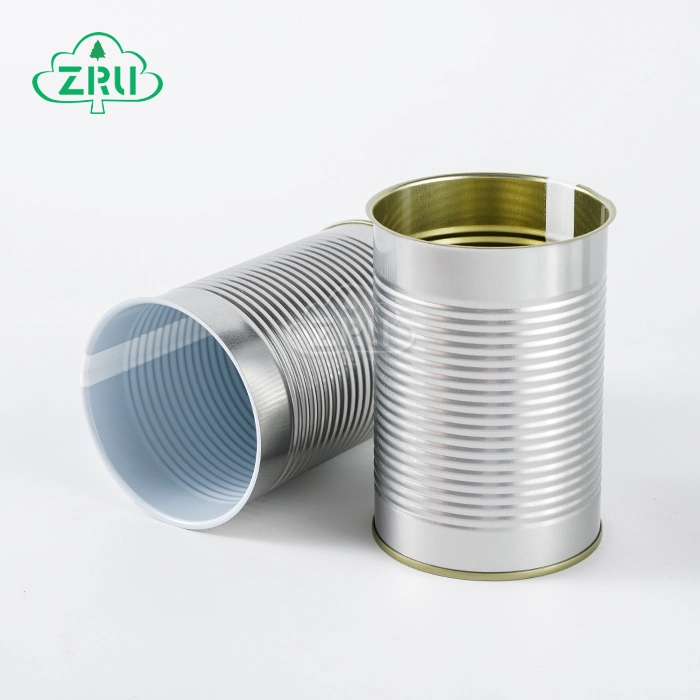
Three Piece, or Welded Seam Cans – A three piece, welded seam can consists of the “body”, made from a sheet of metal that is rolled into a tube till the ends meet. Which are then welded together. The bottom end is pressed and crimped onto one end of the tube, and hermetically sealed. The other end of the new can is given a flange to the rim to allow for the customer to crimp on the lid once the can has been filled with product. Three piece cans are relatively simple to manufacture at any height and diameter. And are generally cheaper to manufacture.