METAL FOOD CAN
2025-07-09
METAL FOOD CAN
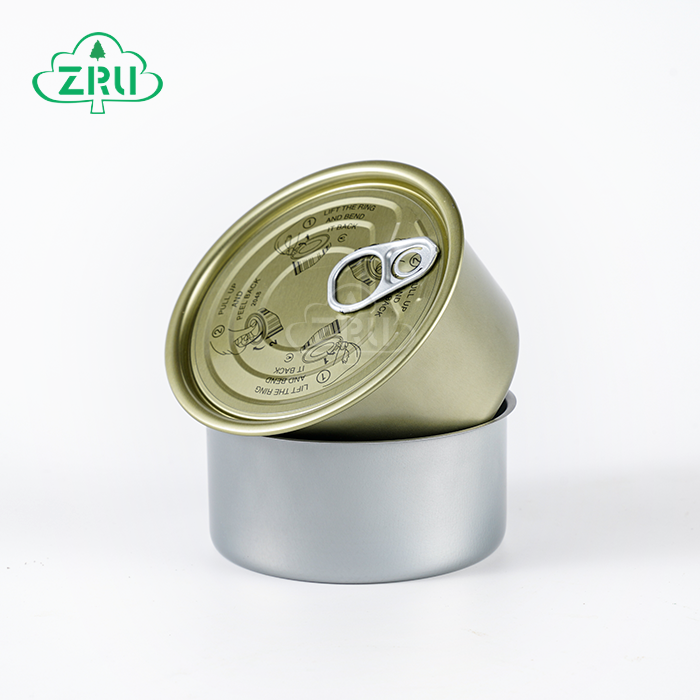
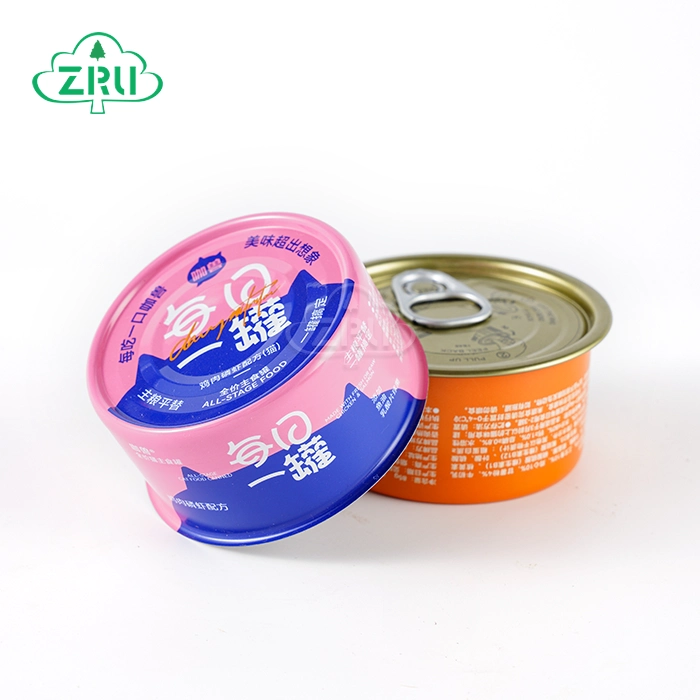
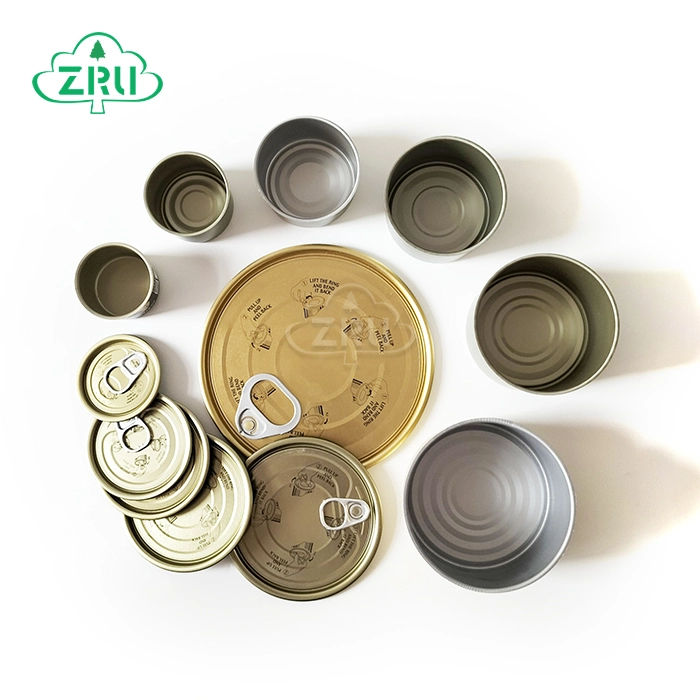
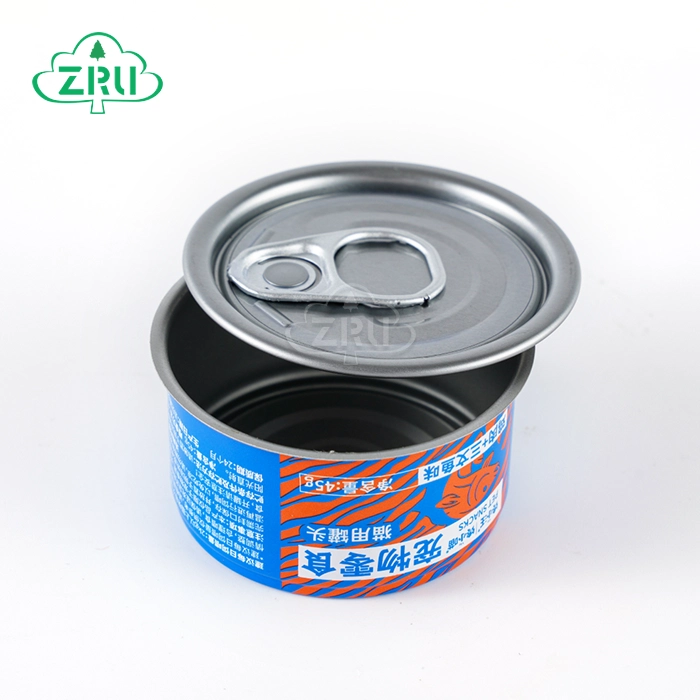
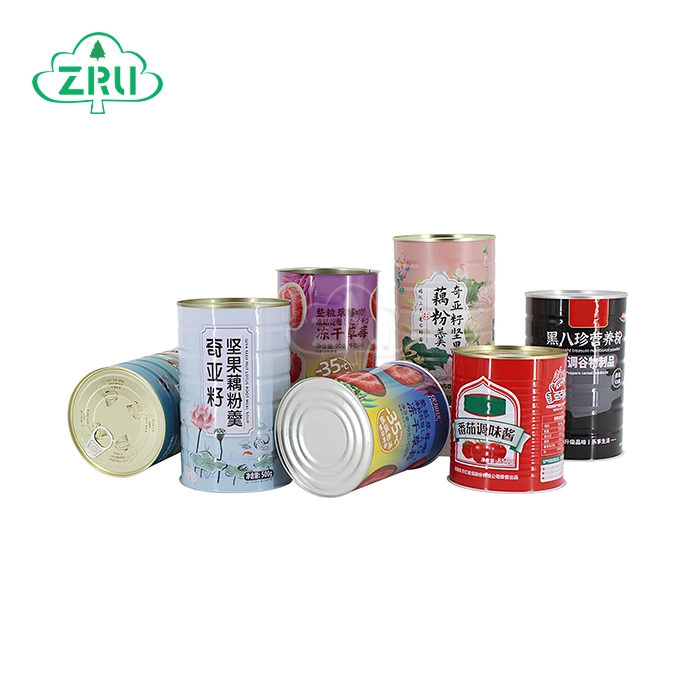
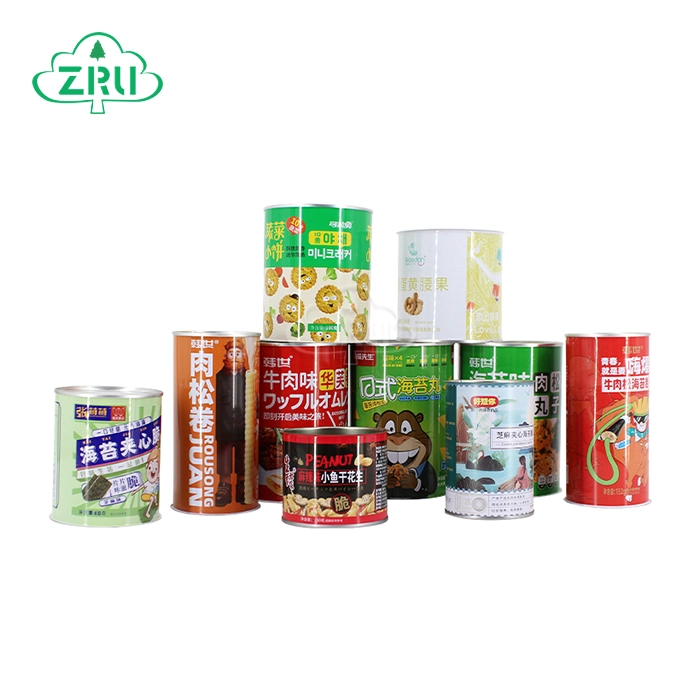
Metal Food Cans have a proven history of successfully preserving food for long term storage. They are durable, reliable, stack well, and are capable of enduring vibrations, temperature, and pressure variations to a greater degree than any other packaging method. Metal packaging materials are an excellent barrier against the transfer of gases, light, and moisture. Metal containers are ideal for the stresses and heat required in preserving and canning foods. And Metal Food Cans will accept adhesive labels, can be painted directly on the can, or even shrink wrap labels. They can easily be manufactured into a variety of shapes and sizes, and are 100% recyclable!
A Brief History of Metal Food Cans - The invention and use of metal food cans has had a key role in the history and in the improvement of the basic life-style of humankind. The ability to preserve and store food safely and reliably has allowed adventures to take longer, extended expeditions. Allowed soldiers to be fed in our armies. Provided ways for families to preserve long term food storage in their homes. And finally, has enabled safe, and reliable mass production and transportation of large quantities of food.
The first metal food cans were manufactured from “tinplated, wrought-iron canisters”. And were opened with whatever one had on hand really. Like a chisel, or knife and hammer.
The invention of the can opener suddenly made it possible for anyone to easily open a metal food can for normal folk.
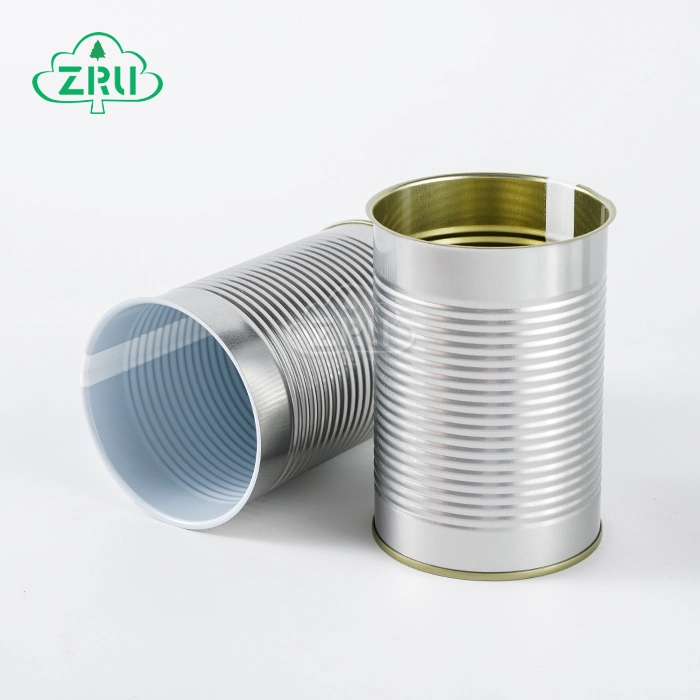
It was during World War II that manufacturers began to line the insides of the metal food cans with plastic polymer liners better preserve the taste, quality, and shelf-life of the packaged product within the cans.
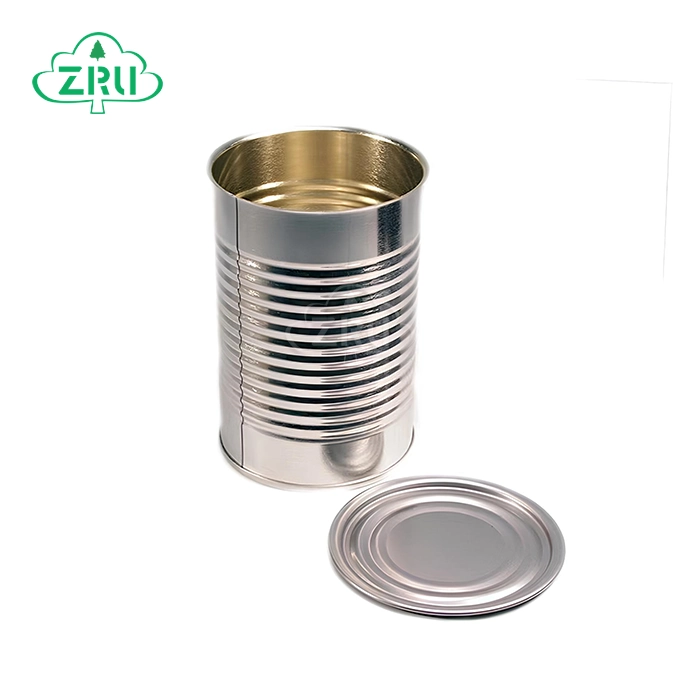
Though originally made from tin plated iron. Today’s modern food cans are made from thinner, lighter, yet stronger steel that is much more resistant to corrosion. And you can choose from lined or unlined cans as well as going with the easy-open lids when making a purchase. Today’s metal food cans are safer, stronger, and easier to use!
Advantages - Metal food cans have many advantages, including:
Preservation and Protection - Metal is an excellant barrier against light, moisture, and gases. Which can be improved even more with the addition of a polymer coating or lacquer liner.
Structurally Durable – Metal Cans are strong, and durable. Resisting scratches, abrasions and punctures during transit and storage. They are also easy to stack without worry. Paneling rarely happens to metal cans.
Temperature and Pressure - Due to its natural strength and durability, metal food cans are capable of withstanding high temperatures, and pressures. Thus, making them ideal for canning, pasteurization, and sterilization.
Recyclable – Metal Cans are 100% recyclable. And, unlike plastic, they can be recycled over and over again without quality degradation.
Inexpensive - The costs for manufacture, packaging, and transportation are relatively lower than other, commonly used materials.
Adaptability – Metal containers can be produced in a wide variety of shapes, sizes, and styles.
Long-Term Storage – Metal Food Cans are capable of maintaining the freshness of the food product for up to 5 years. (Though many foods can be kept longer. 5 years is considered the safe limit) And because canned product requires no refrigeration, it’s among the most cost-effective and reliable ways to transit food long distances.
Most Commonly Packaged Products - The natural and excellent barrier that metal containers provide against light, gas and moisture, paired with their ability to withstand high-heat preservation and canning temperatures, make Metal Food Cans ideal for food products:
Snacks and Candy - Mixed nuts, wasabi peas, pretzels, brittles and other dry salt and sweet snacks are commonly packaged into Metal Food Cans. Preserved from moisture and sunlight. Such canned snacks can last for years.
Fruits and Vegetables – The naturally acidic nature of canned fruits and vegetables can lead to corrosion of the metal can. However, choosing to use a protective coating, or “liner” will inhibit corrosion of the can, improve the quality of the final product, and increase storage shelf life.
Shellfish and Sea Food – Seafood like crab, shrimp, and fish all do well when canned. Particularly due to excellent long-term shelf life and storage, as well as for package durability for world-wide distribution.
Meats – When properly preserved and sealed in Metal Food Cans, Meats are capable of staying fresh and tasty for years without the need of refrigeration. This alone has changed the ability for millions of people who do not have the ability to refrigerate their food. Enabling them to have access to the proteins and vitamins available in meat products.
Coffee and Tea – Ground coffee and tea was most often packaged in metal food cans. Though nowadays, most coffee and tea are packaged in special, hybrid cans of aluminum, cardstock and polymer.