

Why Choose Durable Empty Cans for Meat Processing?
2026-09-16
When it comes to preserving the quality and safety of processed meat products, the packaging you choose matters more than most people realise. Durable empty cans for meat https://www.threefoodcan.com/empty-food-can/empty-cans-for-meatare purpose-engineered metal containers made from food-grade tinplate or Tin-Free Steel (TFS), designed specifically to endure the thermal stress of retort sterilisation while maintaining a hermetic seal. Unlike generic containers, these cans protect against contamination, sulphide staining, and vacuum collapse — challenges that are uniquely common in meat processing. Choosing the right metal meat packaging is one of the most consequential decisions a procurement manager can make.
Key Factors to Consider When Selecting Empty Cans for Meat Packaging?
Choosing the right packages for canned meat involves many different factors. Material metallurgy, covering chemistry, measurement requirements, and compliance with regulations all influence operational efficiency and product quality.
Material and Coating Selection
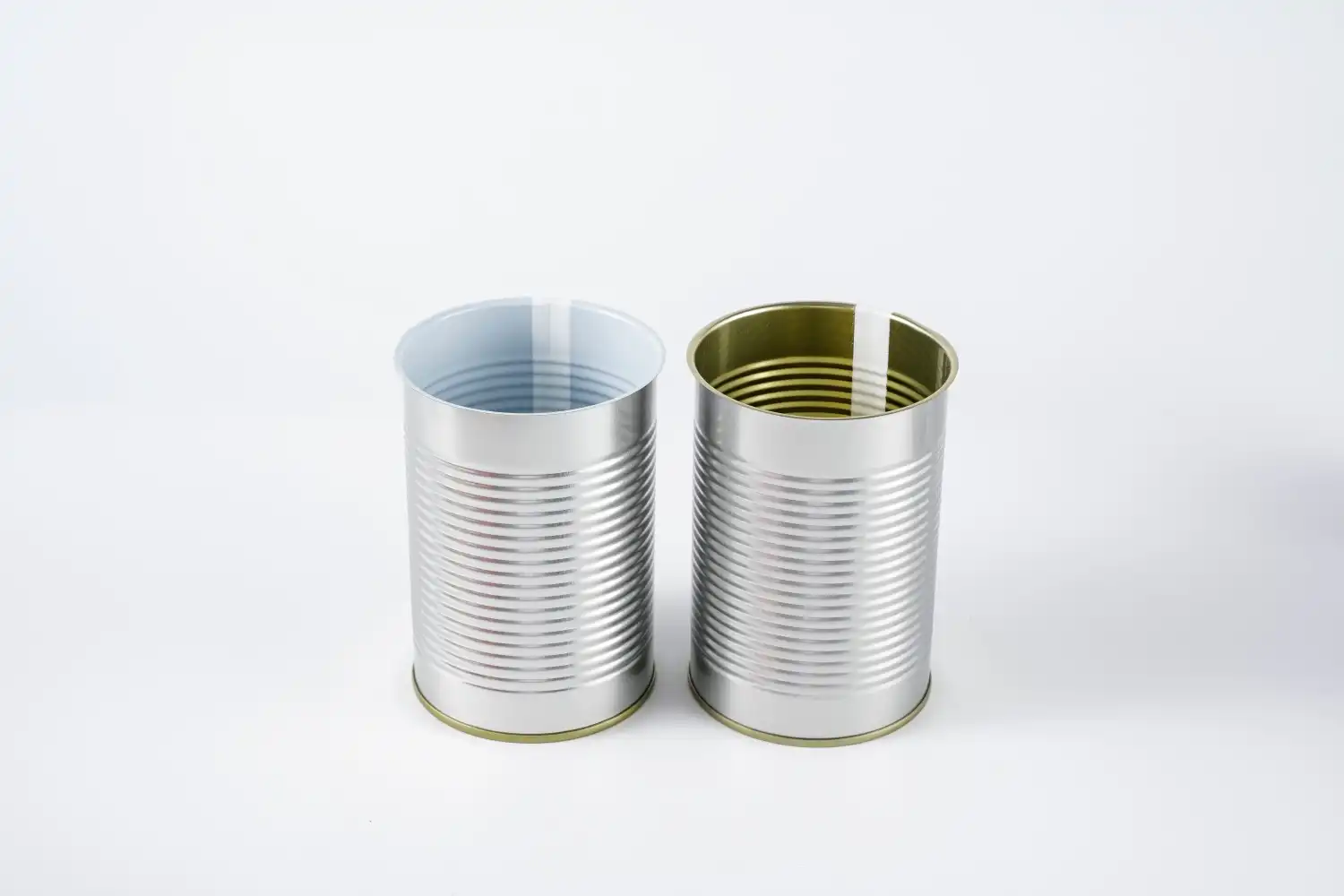
The coating system is the most important part of the inside of any meat tin can. Standard meat containers, including Empty Cans for Meat, have sulphur-resistant coatings on them, like golden or aluminum epoxy, that can be used once or twice. These coatings stop black iron sulfide from forming during and after retorting. Products like corned beef and pâté that are high in protein and sulphur are better protected by double-coating systems. TFS (Tin-Free Steel) is the most common base material for large-scale production because it has consistent gauge tolerances from 0.18mm to 0.22mm for the best strength-to-weight ratios.
Design and Dimensional Considerations
The form and size of your meat packaging can have a direct effect on both output and transportation. Due to the even spread of pressure during retorting, round cans are the most common shape used in commercial meat processing. The sizes of the items with the numbers 211#, 300#, 307#, and 401# are 65.4mm, 72.9mm, 83.3mm, and 99mm, respectively. Custom heights can hold anywhere from 50g to 3,000g of product. Easy-open ends with a high pop-and-tear strength make things easier for customers without lowering the seal's reliability.
Comparison and Decision-Making: Choosing the Best Empty Cans for Your Meat Products
Before committing to a seller, purchasing managers often look at a number of different packaging styles. Knowing the real trade-offs between the different types of containers can help you match your specs with the needs of your production.
In almost all B2B handling situations, metal cans for meat packaging work better than glass jars. The cans can be stacked, won't break, and work with continuous retort systems. They have a much lower cost per unit for shipping and can be labeled directly on the outside using CMYK offset printing, which gets rid of the problems that come with labels sticking to glass.
When comparing 2-piece and 3-piece cans, 3-piece cans can be made in a wider range of heights and are better for commercial meat processing, where portion sizes change often. They also let you powder-stripe along the welded side seam to keep the coating on the inside continuous.
Here are the core selection criteria procurement teams consistently prioritise:
- Internal coating type: golden or metal, single or double, depending on the protein chemistry of your product.
- Can dimensions: Items 211# through 401# cover a wide range of standard meat pack sizes, and you can change the heights to fit your needs.
- Compliance certifications: ISO 9001, FDA approval, HACCP, and the BRC Global Standard for Packaging Materials prove that the materials are safe for food use.
- Seal type: Easy-open or traditional double-seam choices, based on what the end market wants.
- Custom branding: CMYK offset printing on the outside helps private labels stand out.
These factors together tell you if a supplier's meat tin cans will work well with your current production process or cause problems at every step.
Procurement Guide: How to Source Durable Empty Cans for Meat Packaging
It takes more than comparing unit prices to find a source for a lot of metal food containers. Empty Cans for Meat suppliers that you can trust must be able to show that they can make a lot of products, keep quality control high, and have the infrastructure to handle large orders from customers all over the world.
What to Look for in a Qualified Supplier?
There are production lines from Germany, Japan, Switzerland, Taiwan, and Italy at Shandong Three Iron-Printing & Tin-Making Co., Ltd. that can make 600 million cans every year. The building is more than 270,000 square meters and is in the Linyi Economic and Technological Development Zone. It has more than 65 expert staff members working for it. This size allows for consistent lead times and easy access to large quantities, which are very important for purchasing managers who are in charge of meat packaging programs for multiple SKUs.
Custom CMYK offset printing, OEM support, and free pre-order examples all lower the risk of buying by a large amount. All goods are shipped in protective boxes through well-known global logistics partners. Different packing options are available to meet the needs of different markets.
Environmental and Practical Considerations in Choosing Empty Cans for Meat
Sustainability isn't just a nice-to-have in business-to-business buying anymore; it's becoming more and more of a contractual requirement. The World Steel Association says that over 70% of steel in the world is recycled every year, making tinplate and TFS metal cans some of the most recyclable packaging products. This model for recycling helps companies meet their ESG goals without having to switch to different types of packaging.
Shandong Three has the ISO 14001:2004 International Environmental Management System approval, which shows that the company is dedicated to making production less harmful to the environment. Outer coatings can be plain or printed, and food-safe, non-toxic lacquer systems are used. This is in line with the growing demand for BPA-free packaging in the U.S. from both retail buyers and food service operators in institutions.
Conclusion
Metal packaging that lasts is still the most reliable, scalable, and cost-effective way to process meat for sale. Every engineering element in a high-quality meat Empty Cans for Meat, from sulphur-resistant internal lacquers to retort-grade seam integrity, guards the safety of the product and the value of the brand. When you buy something in this area, your choices will affect how long it lasts, how well it meets regulations, and how much trust customers have in you. The safest way to move forward is to choose a manufacturer with verified certifications, the ability to deliver products all over the world, and real technical depth.
FAQ
Are these cans safe for all types of meat products?
Yes. Our meat packing cans have golden and aluminum epoxy coats on the inside, which come in single and double forms. These coatings are made to fight sulphide reactions that happen with beef, pork, chicken, and seafood. All of the products meet FDA and HACCP guidelines for food safety.
How should empty cans be sterilised before they are filled?
Before the filling stage, it is common to sterilise them with steam or rinse them with hot water. The lacquer system inside the can body stays chemically stable at reaction temperatures above 121°C. This means that the coating won't break down during the cleaning process.
What shelf life can these cans support?
With the right airtight double sealing and tested sterilisation, our cases for canned meat can last for two to five years at room temperature without needing refrigeration.
Can I order custom sizes and printed labels?
Yes. All item numbers (211#, 300#, 307#, 401#) have fully customisable heights, and CMYK offset printing is available on the outside to meet the needs of private label and OEM branding.
Partner with Three for Your Empty Cans for Meat Supply
Three offers tried and true: empty cans for Meat manufacturer-grade options that food producers all over the US and the world trust. Our production is ISO 9001-certified, our coatings are BPA-free, and we offer full OEM customization support. This gives your business a solid base from the prototype stage to full-scale delivery. Get a free sample or price on large orders today by emailing info@threefoodcan.com or going to threefoodcan.com.
References
1. Canned Food Alliance. Canned Food Reference Manual. 2021.
2. World Steel Association. Steel Recycling Rates and Sustainability Report. 2022.
3. Food and Drug Administration (FDA). Thermally Processed Low-Acid Foods Packaged in Hermetically Sealed Containers. 2023.
4. British Retail Consortium. BRC Global Standard for Packaging and Packaging Materials, Issue 6. 2019.
5. Robertson, G. L. Food Packaging: Principles and Practice. CRC Press. 2012.
6. Soroka, W. Fundamentals of Packaging Technology. Institute of Packaging Professionals. 2009.
YOU MAY LIKE