

What Materials Are Used for a Lid with a Ring?
2026-09-04
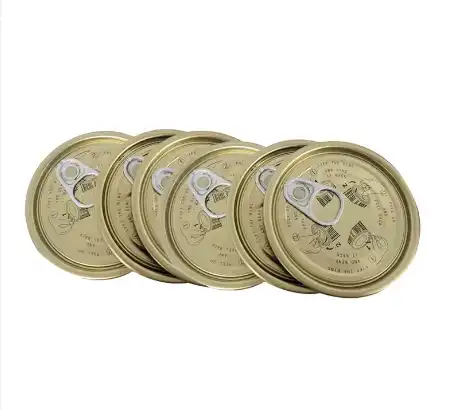
When sourcing packaging solutions for your food manufacturing business, understanding the materials behind a Lid with a Ringhttps://www.threefoodcan.com/tfs-lids-tfs/lid-with-a-ring becomes paramount to ensuring product integrity and brand reputation. These closure systems rely on specific material properties that determine how well they seal, protect contents during transit, and maintain freshness throughout shelf life. At its core, a Lid with a Ring typically combines a metal or composite lid body with a flexible gasket material that creates an airtight seal when the securing ring mechanism applies compression. Tin-Free Steel (TFS), tinplate, aluminum alloys, and various polymer compounds dominate this specialized packaging segment, each bringing unique advantages to food preservation, chemical resistance, and sustainability profiles that procurement professionals must evaluate carefully.
Detailed Analysis of Plastic Materials for Lids with Rings
Metal substrates provide the structure's base, but polymer materials are just as important for the performance and functionality of the seal. Gasket compounds that make airtight seals are the result of advanced material science that was specifically designed to meet the needs of food packaging.
Polymer Gasket Compounds
When the locking ring mechanism compresses, the flexible gasket materials built into the structure of the Lid with a Ring provide the key binding contact. These compounds need to have certain qualities, like being flexible enough to bend around the edges of containers, being chemically resistant enough to handle food contact, and staying at the same temperature during processing and storage. Polyvinyl chloride (PVC) compounds have been used for this purpose in the past, but the industry is moving more and more toward new formulations that are better for the environment and people's health. Polyurethane (PU) systems have great healing properties, which means that the gasket keeps its closing force even after being heated and cooled many times. This quality is especially useful for items that are going thru retort cleaning methods. EPDM (Ethylene Propylene Diene Monomer) rubber is better at withstanding chemicals when it comes to uses with acidic materials or things that contain volatile organic compounds. Food companies that package tomato sauces, vinegar-based dressings, or citrus goods can use this material because it stays stable in harsh pH environments.
Comparing Sealing Performance Across Materials
When purchasing things, people have to weigh the pros and cons of different polymer compounds against the needs of the application. PU-based gaskets work reliably across a wide temperature range, which makes them good for products that might go through temperature changes while being shipped. When it comes to compression set, which means keeping the binding force over time, they are better than many other materials. Heat protection and flexibility are two things that silicone-based closing rings are great at, but they usually cost more. Taking this cost into account becomes important when you think about how many millions of units are made every year. The decision matrix needs to take into account both the cost of the material per unit and the value that comes from lowering the rate of spoilage and increasing the shelf life.
Metal Materials: Strength and Durability in Lid Rings
The device that holds the locking ring in place needs materials that work well mechanically and don't cost too much when used in large quantities. This part is put under a lot of stress when it is being used, transported, and handled by end users.
Steel Ring Mechanisms
Most of the lever-lock and bolt-ring systems used in industrial packing are made from cold-rolled steel. The specifications for the material make sure that it has the right amount of tensile strength to keep the clamping force and ductility to allow for shaping operations during production. The springs that allow rings to snap securely into locked positions are improved through heat treatment. Surface treatments keep these steel parts from rusting while they are being used and stored. Using galvanizing, powder coating, or lacquer can make something last longer while keeping the mechanical qualities that are needed for a closing to work reliably. Which one to choose depends on where the product will be used and how much moisture it will be exposed to over its lifetime.
Aluminum Ring Applications
Aluminum alloy rings are used in certain situations where the extra cost of the material is worth it because they are lighter. Food companies that want to export, like aluminum parts, lower the cost of shipping when containers go long distances. Because the material is naturally resistant to rust, some coatings are not needed. This makes the manufacturing process easier while still providing solid performance. Because aluminum is not formed like steel, the process factors and tools used during production need to be changed. Companies like Three have bought specialized tools from Italy and other places around the world to easily work with different ring materials. This way, the quality stays the same no matter what base is used.
Specialized Materials and Innovations in Lid with Ring Design
The packaging business keeps improving material methods to meet new market needs for sustainability, usefulness, and lower costs. Forward-thinking food companies can use these new ideas to make their products stand out from the rest.
Sustainable Material Developments
As businesses try to meet customer needs and government rules, environmental factors are becoming more and more important in their purchasing decisions. It is becoming more common for steel substrates to contain recycled content. Some manufacturers even use post-consumer scrap as feedstock without any performance issues. This method has less of an effect on the environment and could save money as recycling infrastructure grows. Coating methods have changed over time to get rid of chemicals that are bad for health or the environment. As a result, BPA-free formulations are now the norm for food contact uses. They meet both regulatory needs and customer expectations. Water-based coating systems cut down on volatile organic compound emissions during production, which helps with larger efforts to be more environmentally friendly.
Composite and Hybrid Solutions
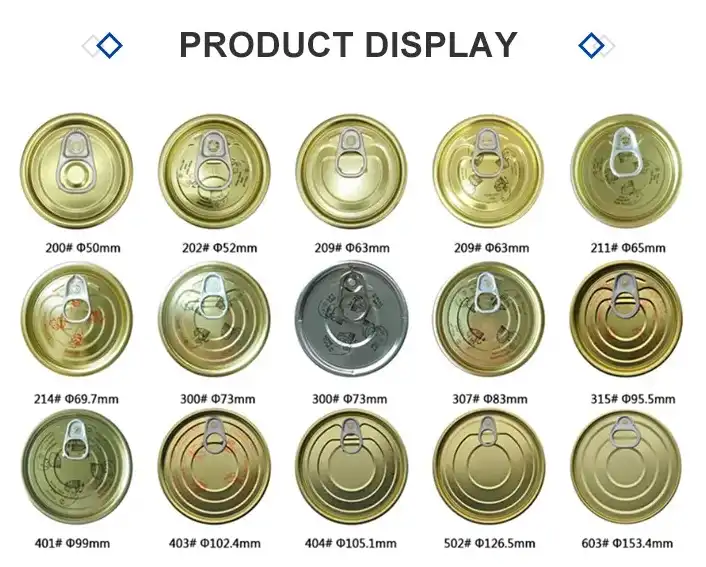
New developments in material science have led to the creation of hybrid Lid with a Ring designs that use a mix of different bases or covering layers to improve certain performance characteristics. These designed solutions meet the needs of complex applications that can't be fully met by systems made of a single element. A TFS base could be paired with special polymer coatings that offer high chemical protection while still being able to be recycled. Three provides lid systems in different styles (item numbers 200#, 202#, 211#, 300#, 307#, and 401#) and with widths from 50mm to 99mm to fit a range of container sizes. With this range, food manufacturers can choose exactly the closure system their goods need, whether they're packing fish, meat, sauces, fruits, or vegetables. This product's round form makes it compatible with common canning equipment, and the TFS material ensures a solid barrier.
Maintenance, Cleaning, and Safety Considerations Based on Material Types
Choosing the right products is only one part of the buying process. Businesses can keep food safe and lower their total cost of ownership by knowing how different materials work over the course of their service life.
Hygiene and Cleaning Protocols
Metal lid systems can usually handle the tough cleaning methods that food processing plants need. Because properly coated metal surfaces don't have pores, germs can't grow on them, which makes cleaning easier. This trait is especially important for companies that use shared tools to make more than one product line. Thorough cleaning between production runs stops cross-contamination. Gasket materials need extra care when they are being cleaned. Harsh chemical cleaners or high temperatures can break down polymer materials, making them less effective at closing in the future. Manufacturing companies need to set rules that balance how well they clean with how long they keep materials safe, and when possible, they should extend the useful life of parts that can be used again.
Safety Standards and Certifications
There are strict rules about food safety that all packing materials that come into contact with food must follow. With ISO 9001 certification, you can be sure that the manufacturing process always makes products that meet the requirements. This standard for quality control covers everything, from where to get the raw materials to how to do the final inspection. Material approvals for food contact uses make sure that metal frames, gasket compounds, and coating systems follow FDA rules about how much they can migrate. These rules make sure that no harmful chemicals get into the food from the packaging in amounts that could be harmful to your health. People who work in procurement should make sure that suppliers keep their certifications up to date and do regular compliance testing. Three keeps its ISO 9001 certification up to date and offers a lot of proof that its lid systems are safe for food. Our inner coatings come in golden, white, and aluminum finishes and meet international standards for food contact applications with a wide range of products, such as acidic, fatty, and protein-based foods.
Conclusion
Choosing the right material for a Lid with a Ring has a direct effect on the quality of the product, how well it works, and the reputation of the brand all along the food packaging supply chain. When you mix TFS substrates with certain coating systems, you get the barrier qualities, mechanical strength, and food safety features that modern food makers need. The sealing properties of polymer gasket materials keep food fresh longer and prevent contamination. When procurement professionals know about these material properties, they can choose closure systems that meet the needs of a specific application while staying within the budget. Sustainable materials and improved covering technologies are always getting better, giving businesses that care about the environment more choices without lowering performance standards. Strategic partnerships between suppliers and manufacturers that keep up with strict quality standards make sure that you always have access to reliable packaging parts that protect the value of your brand.
FAQ
What material provides the best corrosion resistance for acidic food products?
TFS with special inner coats is very resistant to corrosion for acidic contents like tomato sauces and pickled veggies. The tin-free steel base gets rid of some of the ways that standard tinplate can rust, and the epoxy-phenolic or organosol coating methods keep food from touching the metal. EPDM gasket materials work well with these coatings because they don't break down when exposed to acidic substances, so the seal stays intact for a long time. This mix of materials has worked well in many acidic food applications, as shown by decades of industry experience and approval from the government for food contact use.
How do I determine the appropriate lid diameter for my container specifications?
To match the lid diameter to the needs of the container, you have to measure the curl diameter, which is the outside diameter of the container's rolled edge where the lid goes. The standard sizes are 50mm, 52mm, 65.4mm, 72mm, 83.3mm, and 99mm, which are the same as the regular can item numbers. Making sure that the dimensions are compatible prevents sealing problems that lower the quality of the product. Requesting samples lets you test them out in real life before committing to large-scale production, making sure they fit perfectly in your container.
Can lid materials affect the recyclability of my packaging?
Material choices have a big effect on how easily things can be recycled. Metal caps with the right coats usually work well with steel and aluminum recycling streams as long as they are kept separate. Polymer sealing materials only make up a small part of the total weight of the package and usually don't get in the way of reusing metal. Choosing coating systems that don't contain harmful chemicals helps recycling infrastructure work better while also meeting environmental goals that are becoming more and more important to consumers when they buy things.
Partner with Three for Your Lid with a Ring Requirements
There are three stands ready to support your packing needs, each with a closure system designed to meet the strict needs of food manufacturing processes. Our factory in the Linyi Economic and Technological Development Zone uses high-tech production lines from Germany, Japan, Switzerland, and Italy to make more than 2 billion units a year. We know that having a reliable relationship with a Lid with a Ring supplier means more than just getting the best price. It also means getting consistent quality, technical knowledge, and quick customer service that helps you with your specific application problems.We sell items with the numbers 200#, 202#, 211#, 300#, 307#, and 401#. Their diameters range from 50mm to 99mm, and they are made from TFS with certified food-safe inner coatings that come in golden, white, and aluminum finishes. Low minimum order numbers make it easy for businesses at different stages of growth to use our services, and our sample supply program lets you fully test our products before committing to production. Your quality assurance needs are met by ISO 9001 certification and international regulatory compliance documentation. Email our technical team at info@threefoodcan.com to talk about how our closure systems can help your business. We give you thorough specifications, advice on how to make sure the materials work together, and customization choices that are specific to your needs. Three gives your business the quality and dependability it needs when it comes to packaging fish, meat, sauces, fruits, or veggies for sale in the U.S. or abroad.
References
1. Robertson, Gordon L. Food Packaging: Principles and Practice, Third Edition. CRC Press, 2012.
2. Marsh, Kenneth and Betty Bugusu. "Food Packaging—Roles, Materials, and Environmental Issues." Journal of Food Science, Volume 72, Issue 3, 2007.
3. Coles, Richard, Derek McDowell, and Mark J. Kirwan. Food Packaging Technology. Blackwell Publishing, 2003.
4. Yam, Kit L. The Wiley Encyclopedia of Packaging Technology, Third Edition. John Wiley & Sons, 2009.
5. Hernandez, Ralph J. and John R. Giacin. "Factors Affecting Permeation, Sorption, and Migration Processes in Package-Product Systems." Food Packaging and Preservation, Springer Publishing, 1994.
6. Brody, Aaron L. and Kenneth S. Marsh. Encyclopedia of Packaging Technology, Second Edition. John Wiley & Sons, 1997.
YOU MAY LIKE