

What Is Tinplate Sheet Used for in Modern Packaging?
2025-08-29
In today's rapidly evolving packaging industry, tinplate sheet has emerged as one of the most versatile and reliable materials for modern packaging solutions. This comprehensive guide explores the extensive applications, benefits, and technical aspects of tinplate sheet usage in contemporary packaging systems. Understanding the role of tinplate sheet in modern packaging is crucial for manufacturers, packaging engineers, and businesses seeking sustainable, durable, and cost-effective packaging solutions that meet stringent quality standards while maintaining product integrity. Tinplate sheet is essentially a thin sheet of cold-rolled steel coated with a layer of tin on both sides, combining the strength of steel with the corrosion resistance and solderability of tin. This unique combination makes tinplate sheet an eco-friendly packaging material that offers exceptional performance across diverse industrial applications. The non-toxic nature of tinplate sheet ensures that food and beverages remain safe for consumption, with the tin coating acting as a protective barrier that prevents contents from reacting with the steel substrate. Modern packaging demands require materials that can withstand various environmental conditions while preserving product quality, making tinplate sheet an indispensable choice for manufacturers worldwide seeking reliable packaging solutions.
Primary Applications of Tinplate Sheet in Contemporary Packaging
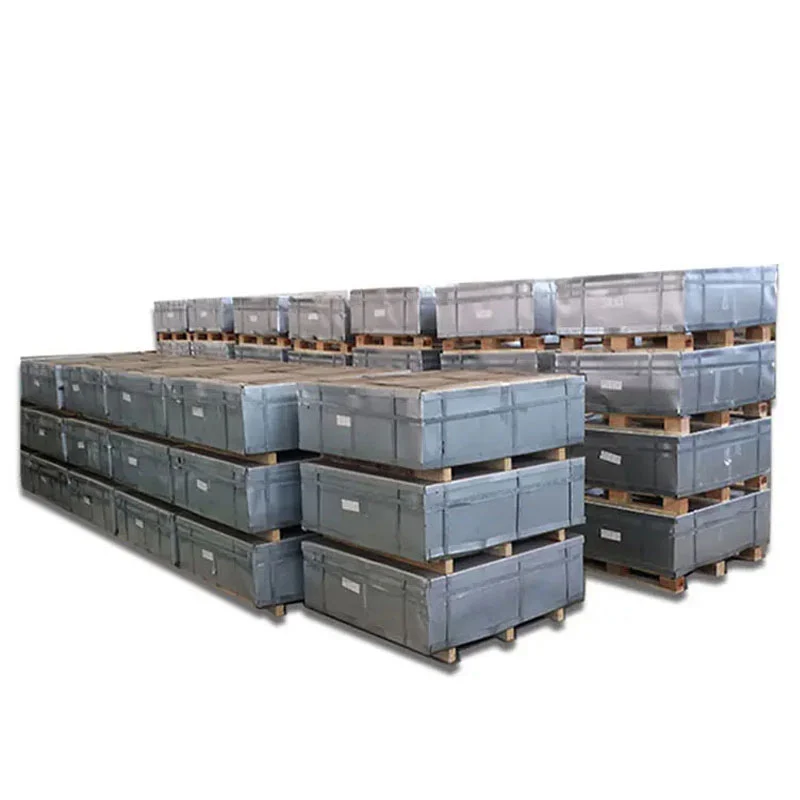
Food and Beverage Container Manufacturing
More than 70% of total tinplate production is dedicated to food and beverage packaging applications, making this sector the largest consumer of tinplate sheet materials. The food packaging industry relies heavily on tinplate sheet due to its exceptional barrier properties that protect contents from external contaminants, moisture, and oxygen infiltration. Modern food processing facilities utilize advanced tin plate steels with specific coating weights ranging from 1.0 to 11.2 g/m² to ensure optimal protection for different food products. The excellent formability of tinplate sheet allows manufacturers to create complex container shapes while maintaining structural integrity throughout the packaging process. The beverage industry particularly benefits from tinplate sheet applications due to the material's superior corrosion resistance and ability to maintain product freshness over extended periods. Premium quality tin plate steels undergo rigorous quality control processes to ensure consistent surface finish and optimal coating adhesion, critical factors for beverage can production. The electrolytic tinning process creates a uniform coating that prevents flavor migration and maintains the original taste profile of beverages. Advanced production facilities equipped with German and Japanese manufacturing lines can produce thousands of beverage cans per minute while maintaining strict quality standards that meet international food safety regulations. Modern food packaging applications require tinplate sheet materials that comply with FDA regulations and REACH certification standards. The base steel grades used in food packaging, including MR, L, and DWI specifications, provide the necessary strength and durability for various packaging formats. Surface finishes such as bright, stone, and matte options allow manufacturers to create visually appealing packaging designs that enhance brand recognition and consumer appeal. The consistent quality of tinplate sheet ensures reliable can seaming operations and optimal performance throughout the distribution chain, from manufacturing facilities to retail shelves.
Industrial and Chemical Container Production
Industrial applications represent a significant portion of tinplate sheet usage in modern packaging, particularly for chemical and pharmaceutical containers that require exceptional chemical resistance and leak prevention capabilities. The superior corrosion resistance of tinplate sheet makes it ideal for packaging industrial chemicals, paints, and solvents that could potentially react with lesser materials. Manufacturing facilities specializing in industrial containers utilize tin plate steels with specific temper grades (T1 through T5) to achieve the required forming characteristics for complex container geometries. Chemical packaging applications demand tinplate sheet materials with enhanced barrier properties to prevent product degradation and ensure worker safety during handling and transportation. The seamless construction capabilities of tinplate sheet enable manufacturers to produce leak-proof containers that meet stringent industrial safety standards. Advanced coating technologies applied to tin plate steels provide additional protection against aggressive chemical compounds while maintaining the material's formability characteristics essential for efficient production processes. Pharmaceutical packaging represents another critical application area where tinplate sheet excels due to its non-reactive properties and ability to maintain product sterility. The smooth surface finish of tinplate sheet provides an ideal substrate for pharmaceutical labeling and coding requirements while ensuring complete product traceability throughout the supply chain. Manufacturing facilities equipped with specialized BMV stamping equipment can produce pharmaceutical containers with precise dimensional tolerances that meet international pharmaceutical packaging standards. The recyclable nature of tinplate sheet aligns with pharmaceutical industry sustainability initiatives while providing cost-effective packaging solutions for various medical products.
Aerosol and Specialty Packaging Solutions
Aerosol and spray can applications represent major uses of tinplate sheet in modern packaging, requiring materials that can withstand high internal pressures while maintaining structural integrity throughout product lifecycles. The excellent solderability of tinplate sheet enables manufacturers to create pressure-resistant containers using traditional seaming and welding techniques. Modern aerosol production lines utilize high-speed manufacturing processes that demand consistent material properties and reliable forming characteristics from tin plate steels. Specialty packaging applications, including cosmetic containers and promotional packaging, benefit from the aesthetic qualities of tinplate sheet materials. The ability to achieve various surface finishes allows manufacturers to create premium packaging designs that enhance product presentation and brand positioning. Advanced printing technologies applied directly to tinplate sheet surfaces enable high-quality graphics reproduction that maintains color stability and print adhesion under various storage conditions. The customizable nature of tinplate sheet packaging allows manufacturers to create unique container shapes and sizes that differentiate products in competitive markets. High-speed aerosol production lines equipped with Soudronic manufacturing equipment can process thousands of containers per hour while maintaining strict quality control standards. The dimensional stability of tinplate sheet ensures consistent container performance and compatibility with automated filling and capping systems. Environmental considerations drive the selection of tinplate sheet for aerosol packaging due to its complete recyclability and lower environmental impact compared to alternative packaging materials. The durability of tin plate steels provides extended shelf life for aerosol products while protecting sensitive formulations from environmental degradation.
Technical Specifications and Manufacturing Standards
Material Properties and Performance Characteristics
Modern tinplate sheet manufacturing involves precise control of material properties to ensure consistent performance across diverse packaging applications. The thickness specifications ranging from 0.15 to 0.50 mm provide flexibility for various container designs while maintaining adequate strength characteristics. Base steel selection plays a crucial role in determining final product performance, with different grades offering specific advantages for particular applications. The electrolytic tinning process creates uniform coating distribution that ensures consistent corrosion protection and solderability throughout the material surface. Mechanical properties of tinplate sheet materials are carefully controlled through advanced metallurgical processes that optimize grain structure and surface characteristics. The temper grades available in tin plate steels (T1 through T5) provide manufacturers with options for different forming operations and end-use requirements. Superior formability characteristics enable complex container shapes while maintaining material integrity throughout severe forming operations. Quality control systems monitor coating weight distribution, surface finish quality, and dimensional accuracy to ensure materials meet stringent packaging industry standards. Manufacturing facilities utilize advanced testing procedures to verify material properties including tensile strength, elongation characteristics, and coating adhesion performance. The consistent surface quality of tinplate sheet enables reliable printing and labeling operations essential for modern packaging applications. Optimal solderability characteristics ensure reliable container assembly using traditional joining methods while maintaining leak-proof performance under various operating conditions. Environmental resistance properties protect packaged products from external contamination while preserving product quality throughout extended storage periods.
Quality Control and Certification Standards
International certification standards including ISO 9001:2015 and ISO 14001:2015 ensure tinplate sheet materials meet global quality and environmental management requirements. Manufacturing facilities implement comprehensive quality control systems that monitor every aspect of production from raw material selection through final product inspection. Advanced testing laboratories verify material compliance with ASTM A623 and JIS G3303 standards that govern tinplate sheet specifications for packaging applications. FDA compliance certification ensures tinplate sheet materials are suitable for direct food contact applications while maintaining product safety throughout the supply chain. REACH certification compliance demonstrates environmental responsibility and chemical safety compliance for European market applications. Regular third-party audits verify manufacturing processes and quality systems maintain certification standards while continuously improving production efficiency and environmental performance. Quality control procedures include comprehensive testing of coating thickness, surface finish characteristics, and mechanical properties to ensure consistent material performance. Statistical process control systems monitor production parameters in real-time to detect potential quality variations before they affect final product characteristics. Advanced analytical equipment verifies chemical composition and coating integrity to ensure materials meet specific customer requirements and industry standards. Traceability systems track materials from raw steel production through final packaging to enable complete product history documentation.
Manufacturing Process Innovation
State-of-the-art manufacturing facilities incorporate advanced technologies including German precision equipment and Japanese high-speed production lines to optimize tinplate sheet production efficiency. The manufacturing process begins with careful base steel selection followed by comprehensive cleaning and surface preparation procedures that ensure optimal coating adhesion. Electrolytic tinning operations utilize precisely controlled current densities and bath compositions to achieve uniform coating distribution across the entire material surface. Reflow treatment processes optimize coating characteristics for specific applications while enhancing corrosion resistance and solderability performance. Passivation treatments provide additional surface protection that extends material service life under demanding operating conditions. Advanced oiling and finishing operations prepare materials for efficient downstream processing while protecting surface quality during transportation and storage. Comprehensive quality inspection procedures verify materials meet all specifications before shipment to packaging manufacturers. Environmental considerations drive continuous improvement in manufacturing processes including waste reduction initiatives and energy efficiency optimization programs. Advanced water treatment systems minimize environmental impact while maintaining production efficiency and material quality standards. Recycling programs for process materials and packaging waste demonstrate commitment to sustainable manufacturing practices. Innovation in coating technologies continues to enhance material performance while reducing environmental impact throughout the product lifecycle.
Future Trends and Market Applications
Sustainable Packaging Solutions
Tinplate sheet has been used as a packaging material for over 210 years and remains popular due to its recyclability and safety characteristics. Environmental sustainability drives increasing adoption of tinplate sheet packaging solutions as manufacturers seek alternatives to single-use plastics and non-recyclable materials. The circular economy principles strongly favor tinplate sheet applications due to the material's infinite recyclability without performance degradation. Modern recycling technologies can efficiently process tinplate containers back into high-quality steel products, creating closed-loop material cycles that minimize waste generation. Consumer preferences increasingly favor sustainable packaging options that demonstrate environmental responsibility while maintaining product protection and convenience characteristics. Tinplate sheet packaging provides an excellent balance of performance and sustainability that meets evolving consumer expectations. Life cycle assessment studies consistently demonstrate the environmental advantages of tinplate packaging compared to alternative materials throughout product lifecycles. The energy efficiency of modern tinplate production processes continues to improve through technological innovations and process optimization initiatives. Regulatory trends worldwide increasingly favor recyclable packaging materials that support circular economy objectives and waste reduction goals. Tinplate sheet packaging aligns perfectly with these regulatory requirements while providing superior product protection characteristics. Brand owners recognize the marketing advantages of sustainable packaging solutions that demonstrate corporate environmental responsibility. The premium image associated with tinplate packaging enhances product positioning while supporting sustainability messaging that resonates with environmentally conscious consumers.
Advanced Manufacturing Technologies
Emerging manufacturing technologies continue to enhance Tin Plate Steels and tinplate sheet production capabilities and expand potential applications in modern packaging. Advanced coating technologies provide enhanced barrier properties and specialized surface characteristics for demanding applications. Digital printing technologies enable high-quality graphics reproduction directly on Tin Plate Steels and tinplate sheet surfaces, eliminating secondary labeling operations while improving package aesthetics. Smart manufacturing systems optimize production efficiency while maintaining strict quality control standards essential for packaging applications. Automation technologies streamline Tin Plate Steels and tinplate sheet processing operations while improving consistency and reducing production costs. Advanced forming technologies enable complex container geometries that were previously impossible to achieve with traditional manufacturing methods. Quality monitoring systems utilize artificial intelligence and machine learning algorithms to optimize production parameters and predict potential quality issues before they occur. These technological advances position Tin Plate Steels and tinplate sheet as a preferred material for next-generation packaging applications. Research and development initiatives focus on developing enhanced Tin Plate Steels and tinplate sheet formulations for specialized applications including high-barrier packaging and extended shelf-life requirements. Nanotechnology applications may provide additional functionality including antimicrobial properties and enhanced barrier characteristics. Collaborative research programs between material suppliers and packaging manufacturers drive continuous innovation in Tin Plate Steels and tinplate sheet applications and performance characteristics.
Market Expansion and Global Opportunities
Global market trends indicate continued growth in tinplate sheet demand driven by expanding food and beverage industries in emerging markets. Urbanization and changing lifestyles increase demand for convenient packaging solutions that maintain product quality while providing consumer convenience. Export opportunities continue to expand as international quality standards harmonize and trade barriers decrease for high-quality packaging materials. Regional manufacturing capabilities enable local supply chains that reduce transportation costs and environmental impact while improving supply chain reliability. Investment in modern manufacturing facilities equipped with advanced technology ensures competitive positioning in global markets. Strategic partnerships between material suppliers and packaging manufacturers create integrated supply chains that optimize efficiency and quality throughout the packaging value chain. Market diversification into new applications including electronics packaging and specialty industrial containers provides growth opportunities beyond traditional food and beverage markets. Technical innovation continues to expand the range of suitable applications while maintaining the cost-effectiveness that makes tinplate sheet attractive for high-volume packaging applications. Global certification standards facilitate international trade while ensuring consistent quality standards across different markets and applications.
Conclusion
Tinplate sheet continues to play a crucial role in modern packaging applications due to its unique combination of performance characteristics, sustainability benefits, and cost-effectiveness. The versatility of tin plate steels enables manufacturers to create innovative packaging solutions that meet evolving market demands while maintaining strict quality and safety standards. From food and beverage containers to industrial packaging applications, tinplate sheet provides reliable performance that protects products throughout their lifecycle while supporting environmental sustainability objectives.
Located in Linyi Economic and Technological Development Zone, Shandong Three Iron-Printing & Tin-Making Co., Ltd. represents manufacturing excellence with over 270,000 square meters of advanced production facilities and more than 300 skilled employees. Our international production lines from Germany, Japan, Taiwan, and Switzerland enable annual production of 50,000 tons of printing iron, 600 million cans, and 2 billion easy-pull covers, demonstrating our commitment to meeting global packaging demands.
As a leading China Tinplate Sheet manufacturer and China Tinplate Sheet supplier, we offer comprehensive solutions for businesses seeking high-quality China Tinplate Sheet wholesale options. Our mature R&D team provides exceptional technical support backed by strong financial stability and extensive inventory capabilities. Whether you need to buy Tinplate Sheet for standard applications or require Customized Tinplate Sheet solutions, our competitive Tinplate Sheet price and Tinplate Sheet for sale options, including cheap Tinplate Sheet alternatives, ensure cost-effective packaging solutions. Our China Tinplate Sheet factory maintains ISO certifications and exports to major international markets, providing seamless construction for leak prevention, customizable exterior designs for brand messaging, and recyclable materials for eco-conscious applications. Contact us at info@threefoodcan.com to discover how our advanced production capabilities and experienced team can elevate your packaging solutions with durable, sustainable, and innovative tinplate sheet products.
References
1. Soroka, Walter. "Fundamentals of Packaging Technology" - Institute of Packaging Professionals, Fourth Edition.
2. Robertson, Gordon L. "Food Packaging: Principles and Practice" - CRC Press, Third Edition.
3. Coles, Richard; McDowell, Derek; Kirwan, Mark J. "Food Packaging Technology" - Blackwell Publishing Professional.
4. Marsh, Kenneth S.; Bugusu, Betty. "Food Packaging: Roles, Materials, and Environmental Issues" - Journal of Food Science, Institute of Food Technologists.
YOU MAY LIKE