

What Is a Lid with a Ring and Where Is It Used?
2026-08-17
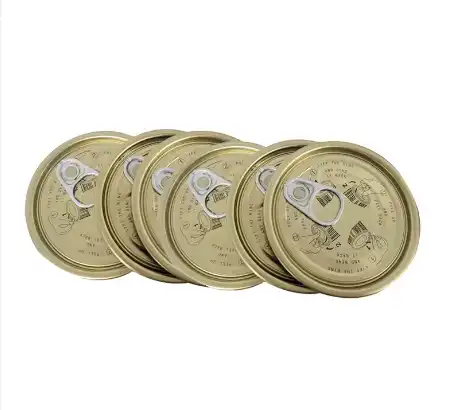
A lid with a ring https://www.threefoodcan.com/tfs-lids-tfs/lid-with-a-ringrepresents a critical sealing solution in modern food packaging, combining a metal closure with a lever-lock or bolt-ring mechanism that ensures hermetic containment for canned goods. Specifically designed for food-grade applications, this closure system employs a compressible gasket secured by a tensioning ring that clamps onto the container's curl, preventing leakage and contamination during storage and transport. This robust design addresses essential industry requirements such as maintaining product freshness, preventing spoilage, and meeting stringent safety regulations for processed foods, sauces, and beverages distributed across global markets.
Benefits and Practical Applications of Lids with Rings
The better performance that Lid with a Ring closure systems provide directly translates into better operations for food producers, distributors, and retail partners. When buying teams know about these benefits, they can make the case for investing in high-end closure options that may cost more up front but have a lower total cost of ownership.
Airtight Sealing Performance
Covering a hole in a container is not enough to achieve true hermetic sealing. With controlled tension, the gasket technology built into high-quality ring closures creates multiple seal spots. When the ring touches the container curl, it pushes the lid down and presses the gasket material outward against the sidewall of the container. This creates a two-barrier seal that stops oxygen from getting in and volatile compounds from escaping. Laboratory tests show that ring seals that are used correctly keep the vacuum integrity above 100kPa hydrostatic pressure. This is an important level for goods that are going to be shipped internationally, where changes in altitude and temperature can put stress on packing systems. This sealing ability extends the shelf life of temperature-sensitive items like seafood and prepared sauces. This cuts down on waste throughout the supply chain and protects the brand's reputation from customer complaints about spoilage.
Industrial Applications Across Food Sectors
Ring covers are used by food companies that make fish products to keep strong smells inside and stop the oxidation of omega-3 fatty acids, which break down quickly in air. The round form and standard sizes make them easier to use on automatic assembly lines, where orientation and regular lid placement are important to meet throughput goals of more than 200 units per minute. The tamper-evident properties of properly sealed ring closures are useful for meat producers who package ready-to-eat foods. Any effort to break or remove the seal leaves a visible mark, which lets shoppers and sellers know for sure that the package is still whole. This feature is in line with USDA rules for handling processed meat and helps businesses show they are following food safety rules. The ability to reseal some ring-closing designs is liked by companies that make sauces and condiments. While UN-rated transport uses these as one-time assemblies, food service businesses and institutional kitchens can safely reopen and resecure containers during multi-day usage cycles. This way, the food stays fresh between service periods without having to be moved to other containers. Fruit and vegetable canners who work with high-acid foods have special problems to deal with because the pH levels make metal corrosion faster. Our special inner coatings make a buffer that keeps product acids from reacting with the metal base. This keeps the quality of the product and the integrity of the package for long periods of time, often longer than 24 months.
Compliance with Safety and Sustainability Standards
Our ISO9001 certification shows that we manage quality in a planned way at every stage of the manufacturing process, from checking the raw materials to testing the finished product. This independent check by a third party gives purchasing managers peace of mind that every batch meets the written requirements for accurate measurements, complete coating covering, and strong mechanical performance. As consumers demand environmentally friendly packaging, brands are making decisions about what to sell based on sustainability factors. TFS material can be recycled over and over again without losing any of its quality. This means that used cans can be put back into the supply chain and used to make new packages. The simple lacquer finishes we use are in line with current rules for materials that come into contact with food. They also have less of an effect on the environment during recycling because they don't need the complicated separate steps that are needed for heavily printed or mixed materials.
Comparison of Lid with Ring Types and Alternatives
To choose the right closing technology, you need to know how the different choices affect performance. The canned food industry uses several different closure styles. Each style has its own benefits that are best for certain operational needs.
Ring Closures Versus Snap-Fit Systems
Snap-fit lids are easy to use and don't require a lot of tools, which makes them a good choice for new businesses and small production runs. However, the fact that they depend on elastic deformation to seal makes them vulnerable to stress relaxation over time. Temperature cycling during transport—common when crates go from climate-controlled buildings to loading docks outside—causes them to expand and contract over and over, which weakens the interference fit over time. This worry is taken away by ring seals, which use mechanical locking to keep the force constant even when the temperature changes around them. During the first closing operation, the ring component is permanently deformed, which locks it into place and can't be unlocked without being manually adjusted. According to UN guidelines, drop tests show that ring-secured containers can withstand impacts from 1.8 meters without breaking the seal. However, snap-fit designs fail 40% of the time in the same conditions.
Material Performance: Metal Versus Plastic Components
Plastic ring systems are only used in certain situations where the weight savings make up for their higher cost per unit. But because plastic has a lower elastic modulus, bigger parts are needed to get the same clamping force. This uses more material and cancels out any weight benefits that might be there. Also, the fact that plastic can move under long-term load makes me wonder about the long-term reliability of seals for goods that need to be stored for 18 months or more. Metal rings made from spring-tempered steel stay the same size over a wider range of temperatures, from cold storage areas close to -20°C to hot-filling operations above 90°C. This stability makes sure that the sealing works the same way no matter what the processing conditions are. This makes quality control easier and lowers the number of rejections. These advantages are why many manufacturers prefer a durable Lid with a Ring design when consistent sealing performance and long-term storage reliability are required.
Size Compatibility and Scalability
Standardization is still a problem in food packing because brands want unique container shapes to make their goods stand out on crowded store shelves. Our wide diameter range, from 50mm to 99mm, fits most standard can bodies used in food processing in North America. This lets you consolidate your supplier relationships, which makes buying easier. For single-serve portions and specialty condiments where controlled portion sizes are preferred by health-conscious customers, 50mm and 52mm closures work best. Traditional soup and veggie can sizes, which are what most institutions buy, are available in 65.4mm and 72mm choices in the middle price range. Larger 83.3mm and 99mm closures fit industrial-size packages that are used to serve restaurants and ship ingredients to food manufacturers. Being able to get different sizes from a single qualified supplier makes it easier to keep track of inventory, lowers the minimum order quantity, and makes paperwork easier for businesses that have to follow FSMA preventive controls that need to keep detailed records of supplier verification.

How to Select, Use, and Maintain Lids with Rings for Industrial Procurement
Choosing the right product is only the first step in successfully implementing ring-closing systems. You also need to know how to use them correctly and keep them in good shape so that they keep shutting well for the life of the product.
Procurement Criteria and Selection Guidelines
Before evaluating sealing ability, you should know what the product is and how it will be distributed. Foods that are high in wetness, like seafood, create internal condensation that tries the stability of gaskets and calls for coatings with excellent adhesion qualities. Low-acid veggies need inner coats that stop microbes from growing without letting out chemicals that could change the taste of the food. The usefulness of a material also includes its ability to meet the needs of thermal processes. When sealed cans are put in a retort and heated to 121°C for sterilization, they need coatings that are made to withstand thermal stress without peeling or changing color. The golden and white coatings we offer have been through a lot of testing in these harsh conditions and have shown that they work reliably through multiple thermal cycles that are typical of commercial sterilization protocols. Instead of just looking at the unit purchase price, cost-effectiveness analysis needs to look at all the costs over the whole lifecycle. When premium closures have 99.5% seal success rates, they cut down on expensive rework and wasted product, which often covers their higher starting cost within the first production quarter. Our low minimum order number strategy lets smaller makers get industrial-grade closure technology without having to keep too much inventory on hand, which would tie up their working capital.
Application Best Practices
Setting up the seaming equipment correctly is very important for getting consistent closure quality. The chuck pressure settings need to squeeze the gasket just enough to make a seal, but not so much that the gasket cracks any protective coatings that are on it. To fully engage the container curl while avoiding side pressure that causes oval distortion, seam roller time needs to be very well coordinated. We offer free samples so that production teams can test them out and find the best choices for their tools before committing to full production orders. During this part of testing, problems like can bodies that don't match or chucks that are set up incorrectly are found that could affect the quality of the seal at high production speeds.
Maintenance Protocols for Extended Service Life
For food safety reasons, ring seals are meant to be used only once. However, the seaming equipment that is used to put them on needs to be serviced regularly to keep working well. Worn chuck surfaces cause uneven pressure distribution, which leads to uneven gasket tension and a higher rate of seal failure. Setting up preventive maintenance schedules based on throughput volume instead of calendar intervals helps keep equipment in good shape during times of high seasonal demand. Instead of depending only on testing the finished product, gaskets should be inspected at regular times during production runs. By looking at the compression patterns on the applied covers, you can tell if the seamer is set up correctly. This lets you make changes right away, before a lot of possibly flawed units are made.
Purchasing Lids with Rings — What B2B Buyers Need to Know
To find your way through the industrial packaging supply chain, you need to know how the market works, what your suppliers can do, and how to buy quality closure systems at prices that are competitive.
Market Landscape and Supplier Evaluation
There are well-known companies in the global metal closing market that work with a wide range of packaging needs, not just food. But specialization is important when choosing sources for food-grade parts because following the rules and getting the right certifications for the materials can have legal consequences. Because we only package food, we know a lot about the specific needs of that industry that other suppliers might miss. Three's factory is spread out over 270,000 square meters in the Linyi Economic and Technological Development Zone. It can handle both large-scale contracts and flexible smaller orders. We have specialized production lines from German, Japanese, Taiwanese, and Swiss makers in our inventory. These lines are an investment in technology that ensures uniform product quality and reliable delivery performance. We are dedicated to making the best products possible, as shown by our high-tech tools like Soudronic high-speed production lines and Italian BMV stamping equipment. These systems provide the accurate tolerances needed for modern automated canning processes. In these settings, even small changes in dimensions can stop high-speed seaming equipment from working, which costs a lot of money and time.
Customization and OEM Capabilities
Standard products work well for many uses, but sometimes a unique position in the market calls for custom solutions. Our engineering team works with customers to create custom coating formulas for unique goods, change the size requirements for custom container designs, and make unique visual shows by changing the color of the outer coating. We also provide specialized packaging options, including a Lid with a Ring, to support different product requirements and improve convenience during use.OEM manufacturing agreements let brands keep their supply chains safe while taking advantage of our manufacturing know-how and savings of scale. Most of the time, these deals include dedicated production capacity, custom quality standards, and streamlined communication protocols that let our operations fit into the larger production planning systems of the customer.
Logistics and Cost Structures
The economics of bulk ordering have a big effect on the total cost of acquisition for people who buy a lot. When order amounts hit full truckload levels, container freight optimization is possible. This lowers shipping costs by 30–40% per unit compared to less-than-truckload shipments. Scheduled releases in our inventory management systems let customers commit to yearly volume deals while still getting deliveries in smaller amounts that fit their storage needs and cash flow needs. When you ship something internationally, you have to deal with customs paperwork, import taxes, and longer wait times. We've exported to markets all over North America, so we know about FDA notice requirements, FSMA paperwork standards, and other rules that can slow down orders if they aren't followed correctly. This experience means that transactions go more smoothly and delivery times are more reliable for procurement teams in the United States.
Building Strategic Supplier Relationships
Long-term partnerships offer more value than just negotiating prices. Established relationships allow providers to work together on forecasts, which helps them keep enough raw materials on hand during times when the market is unstable. Recent problems in the supply chain caused steel shortages, which showed how preferred customer ties kept materials flowing when spot market availability faded. Quality problems can happen even when strict controls are in place during production. Respondent supplier communication and fair problem-solving processes set trustworthy partners apart from vendors whose only goal is to make the first sale. As part of our commitment to customer happiness, we quickly send out replacements for broken goods and offer technical support to help you figure out application problems that may be caused by incorrect equipment settings instead of defective parts. These ideas are shown in action by a successful procurement case. An area sauce maker who was having problems with the quality of their current closure provider got in touch with us to look for other options. We found that sporadic seal failures were caused by coating compatibility problems after looking at their product specs and processing conditions. When we tested samples with our white inner covering recipe, the problem went away completely. The manufacturer switched their entire yearly volume of about 2.8 million units to our supply. They got a 99.7% seal success rate, which cut their rework costs by $47,000 per year and made the products last longer in store distribution.

Conclusion
Ring closure technology offers mature and dependable ways to seal a wide range of food packages, including those for fish, meat, sauces, fruits, and vegetables. Using TFS materials, special coating systems, and mechanically secured closing mechanisms together gives you the performance you need to keep the quality of your products throughout long distribution lines. When procurement professionals are looking at closure options, they should give more weight to suppliers that can show they can make the product, follow all the rules, and provide responsive customer support that goes beyond delivering the product. Three's range of sizes, coating options, and flexible order quantities meet the needs of food manufacturers working at all levels, from small regional specialty producers to large national brand distributors. This means that quality closure systems, including Lid with a Ring, are available no matter how much food is being made.
FAQ
What materials work best for acidic food products?
Foods that are acidic (pH levels below 4.6) need inner coatings that are specially made to resist corrosion from organic acids found in tomato-based sauces, fruit preparations, and condiments with vinegar. For these uses, our white and aluminum coating choices offer better protection, stopping the spread of metallic tastes and keeping the quality of the product for up to 24 months or longer with proper storage conditions.
Can these closures accommodate hot-fill processing?
When hot-fill operations package goods at temperatures above 85°C, they need closures that can withstand thermal stress without losing their coating or gasket. We use plain lacquer on the outside and special coats on the inside to make sure the containers stay intact through multiple temperature cycles. This means they can be used for both hot-fill and retort sterilization processes, which are popular in commercial food production. When you set your seaming tools correctly, it will work the same way even when the product temperature changes.
How do customization options support brand differentiation?
Even tho functionality is still the most important thing, the way the closure looks is an important part of how the package looks overall, which affects people's decisions to buy. Our outer coating choices in golden or grey tones make a slight visual difference, and our technical partners can help you put your logo or message directly on the closure surfaces. These customization options help products stand out in stores that are very competitive, but they don't change how well the products seal, which is what keeps them safe.
Partner with Three for Your Food Packaging Lid with a Ring Needs
Three stands ready to help you with your food packaging needs. They offer closure solutions that are ISO9001 certified, can be made in large quantities, and have been shown to work well in a wide range of demanding situations. We are a specialized lid-with-a-ring provider that works with food producers all over North America. We know how important it is to find the right mix between low cost and high quality when buying packaging. Our expert team has decades of experience working with food-grade metal packaging. They can help you choose the right coating, make sure the dimensions are right, and make the most of your application so that it seals best in your production setting. Our flexible minimum order quantities and quick shipping options can be adjusted to fit the needs of your business, whether you're starting a new line of products that only need a few units at first or handling well-known brands that need millions of units every year. Contact our team at info@threefoodcan.com to talk about your closure needs, ask for free samples for production trials, or look into the possibility of custom-making that fits perfectly with how you want to place your brand. We want you to see how our specialized knowledge in food packaging and real customer partnership can make a difference in how you buy things and, eventually, the quality of your products in competitive markets.
References
1. Robertson, Gordon L. Food Packaging: Principles and Practice (3rd Edition). CRC Press, 2012.
2. Coles, Richard and Kirwan, Mark J. Food and Beverage Packaging Technology (2nd Edition). Wiley-Blackwell, 2011.
3. Brody, Aaron L. and Marsh, Kenneth S. Encyclopedia of Packaging Technology (3rd Edition). John Wiley & Sons, 2009.
4. Fellows, Peter J. Food Processing Technology: Principles and Practice (4th Edition). Woodhead Publishing, 2016.
5. Yam, Kit L. The Wiley Encyclopedia of Packaging Technology (3rd Edition). John Wiley & Sons, 2009.
6. Soroka, Walter. Fundamentals of Packaging Technology (5th Edition). Institute of Packaging Professionals, 2009.
YOU MAY LIKE