

What Are the Key Features of 400g Tin Cans for Food Packaging?
2026-06-29
Imagine opening your pantry only to find spoiled canned goods, wasted money, and compromised food safety. For food manufacturers and distributors, choosing the wrong packaging solution can lead to product contamination, shortened shelf life, customer complaints, and damaged brand reputation. This is where understanding the key features of 400g Tin Cans for Food becomes critical. These versatile containers combine durability, food safety, and cost-effectiveness to protect your products from farm to table. In this comprehensive guide, we'll explore the essential characteristics that make 400g tin cans the preferred choice for food packaging across global markets, helping you make informed decisions that protect both your products and your bottom line.
Understanding the Material Composition and Construction Quality
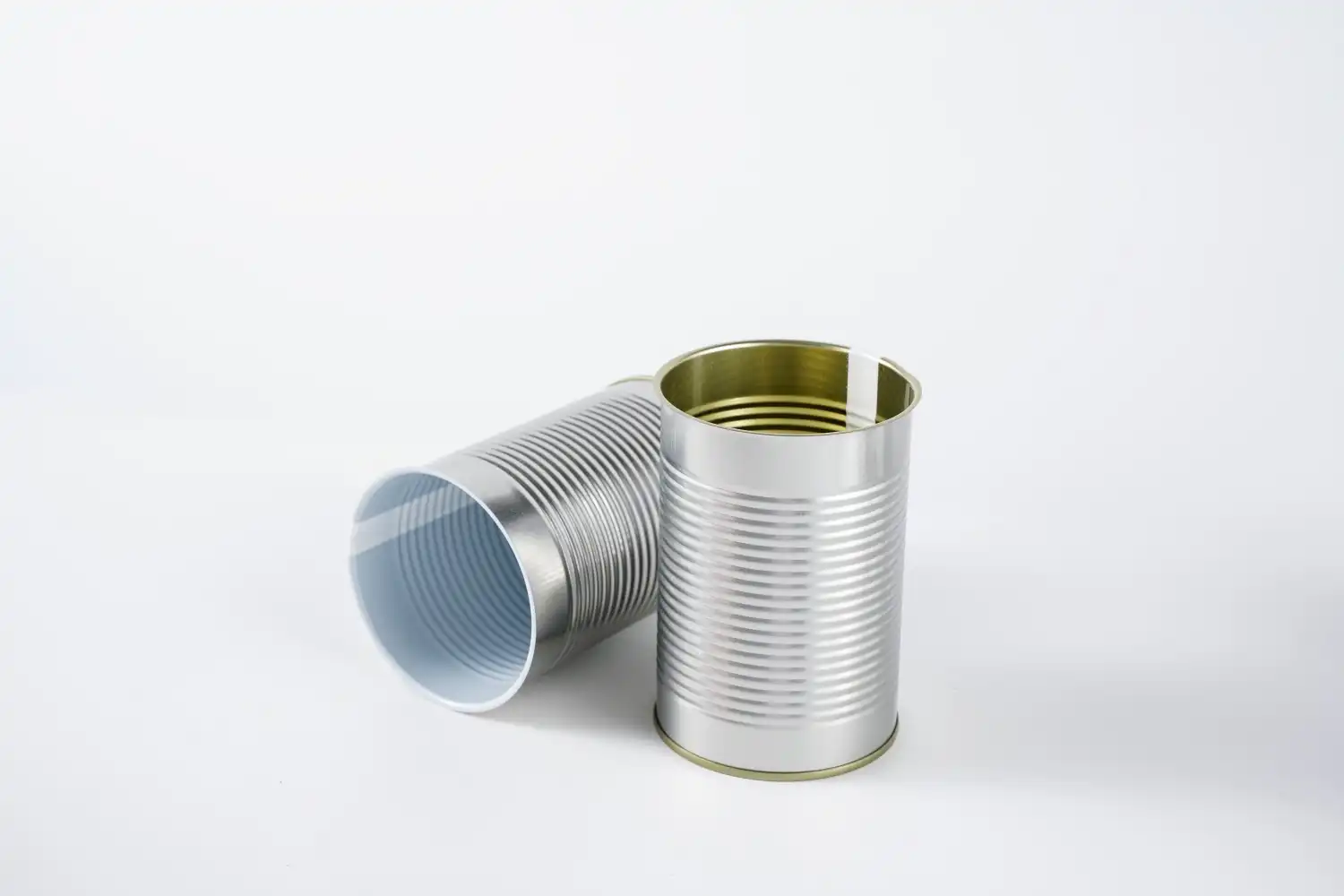
The foundation of any reliable food packaging solution lies in its material integrity and manufacturing precision. Modern 400g Tin Cans for Food are engineered using advanced metallurgy that balances strength, corrosion resistance, and food safety standards. The primary material used in these containers is food-grade tinplate, specifically TFS (Tin Free Steel) with thickness ranging from 0.18mm to 0.22mm. This precise thickness ensures optimal protection while maintaining cost efficiency and lightweight characteristics essential for transportation and storage. The construction process begins with high-quality steel sheets that undergo rigorous quality inspection before entering the production line. These sheets are carefully cut and shaped using state-of-the-art machinery, ensuring dimensional accuracy critical for hermetic sealing. The body forming and welding process creates seamless construction that prevents leak points, a crucial factor when packaging liquid or semi-liquid food products. What distinguishes premium 400g Tin Cans for Food from inferior alternatives is the consistency of the welding seam and the precision of the dimensional tolerances maintained throughout production. The interior coating application represents another critical construction element. Golden and aluminum coatings, available in both single and double coating configurations, provide a protective barrier between the metal and food contents. This BPA-free coating system prevents metallic taste transfer, maintains nutritional integrity, and extends product shelf life significantly. The coating must be applied uniformly and cured properly to ensure complete coverage and long-term stability under various storage conditions.
Superior Barrier Properties for Extended Shelf Life
One of the most compelling features of 400g Tin Cans for Food is their exceptional barrier properties that dramatically extend product shelf life compared to alternative packaging materials. These containers provide complete protection against the three primary causes of food degradation: oxygen penetration, moisture infiltration, and light exposure. The hermetic seal created by the double-seamed lid eliminates virtually all oxygen transfer, preventing oxidation that causes rancidity in fats, color degradation in vegetables, and nutrient loss in preserved foods. The moisture barrier characteristics are equally impressive. Unlike cardboard, paper, or certain plastic containers that can absorb humidity from the environment or allow moisture migration, properly sealed 400g Tin Cans for Food maintain consistent internal moisture levels regardless of external conditions. This feature proves particularly valuable for products requiring specific humidity levels to maintain texture, such as canned vegetables, fruits, and ready-to-eat meals. The ability to withstand temperature variations without compromising seal integrity makes these cans suitable for both ambient storage and thermal processing applications. Light protection represents the third critical barrier function. Many nutrients, particularly vitamins A and C, along with certain natural pigments and flavors, degrade rapidly when exposed to ultraviolet and visible light. The opaque metal construction of tin cans provides complete light blockage, preserving both nutritional content and sensory qualities throughout the product's shelf life. This comprehensive barrier protection explains why products packaged in 400g Tin Cans for Food consistently demonstrate longer shelf life and better quality retention compared to those in transparent or semi-transparent containers.
Customization Capabilities and Branding Opportunities
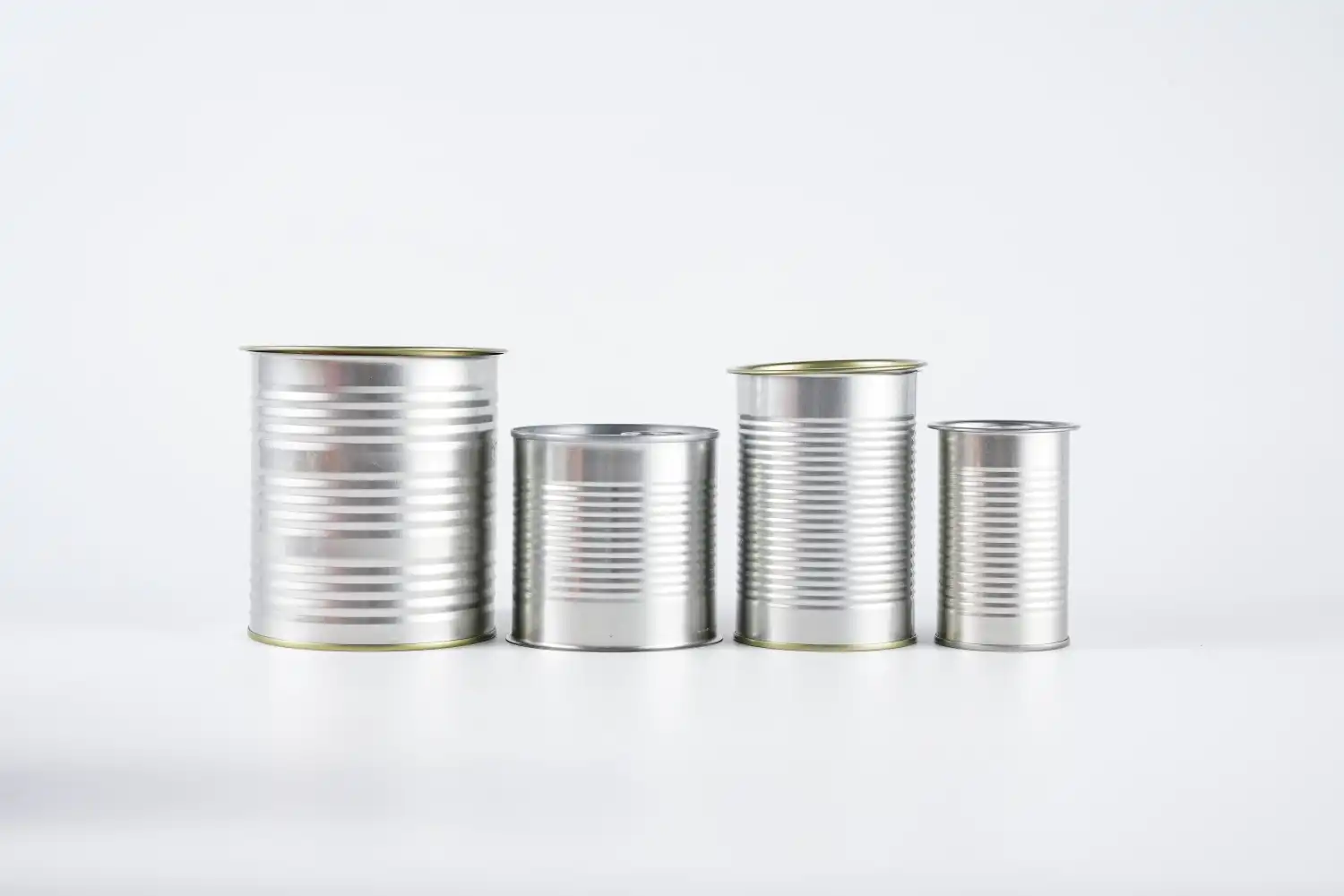
Modern food packaging must serve dual purposes: protecting the product while effectively communicating brand identity and product information. The 400g Tin Cans for Food offer extensive customization capabilities that enable manufacturers to create distinctive, shelf-ready packaging aligned with their marketing strategies. The exterior coating options provide an excellent canvas for high-quality CMYK offset printing, allowing for vibrant, detailed graphics that capture consumer attention and convey brand messaging effectively. Customization extends beyond surface printing to include dimensional specifications tailored to specific product requirements. The standard 300# diameter of 72.9mm can be paired with various height options including 104mm, 106mm, 110mm, 113mm, and 116mm configurations, allowing precise volume optimization for different product formulations. This dimensional flexibility ensures efficient space utilization during storage and transportation while meeting exact fill requirements that minimize product waste and maximize packaging efficiency. Logo acceptance and custom printing capabilities enable brands to differentiate their products in competitive markets. Whether targeting premium gourmet segments with elegant designs or mass-market consumers with bold, eye-catching graphics, 400g Tin Cans for Food accommodate diverse aesthetic requirements. The round shape provides 360-degree branding opportunities, ensuring visibility from multiple angles on retail shelves. Additionally, the durable exterior coating protects printed graphics from scratching, fading, and moisture damage throughout the distribution chain, maintaining brand presentation integrity from manufacturing facility to consumer purchase.
Compliance with International Safety Standards and Certifications
Food safety compliance represents a non-negotiable requirement in modern food packaging, and 400g Tin Cans for Food manufactured to international standards provide the assurance that manufacturers and consumers demand. ISO 9001:2015 certification demonstrates a manufacturer's commitment to consistent quality management systems, ensuring every can meets established specifications through rigorous process controls and continuous improvement methodologies. This systematic approach minimizes variation and defects that could compromise product safety or shelf life. HACCP certification addresses specific food safety hazards through preventive controls at critical points in the manufacturing process. For 400g Tin Cans for Food, this includes monitoring coating application to prevent contamination, controlling welding parameters to ensure hermetic seals, and implementing traceability systems that enable rapid response to any quality concerns. The BRC Global Standard for Packaging Materials further validates manufacturing practices, facility cleanliness, and personnel training programs that collectively ensure packaging materials meet the highest safety standards demanded by major retailers and food brands worldwide. FDA approval for materials in direct contact with food products confirms that coating formulations and tin materials meet strict migration limits and safety requirements. The BPA-free interior coatings now standard in quality 400g Tin Cans for Food address consumer concerns about chemical exposure while maintaining the protective benefits essential for food preservation. These certifications and approvals provide manufacturers with confidence that their packaging won't compromise product safety, create regulatory issues in export markets, or expose their brands to liability concerns related to packaging performance failures.
Cost Efficiency and Logistics Advantages
Beyond protective capabilities and compliance features, 400g Tin Cans for Food deliver substantial economic benefits throughout the supply chain. The lightweight construction achieved through optimized material thickness reduces transportation costs significantly compared to heavier glass containers or rigid plastic alternatives. A fully loaded pallet of empty cans represents minimal weight addition, allowing maximum product weight per shipment while staying within freight weight limitations. This weight efficiency translates directly into lower per-unit shipping costs that improve overall product margins. The stackable design of cylindrical tin cans maximizes warehouse space utilization, a critical consideration as storage costs continue rising in major distribution centers. Unlike irregularly shaped containers that require specialized racking or create void spaces, 400g Tin Cans for Food stack efficiently both as empty containers and filled products. This space efficiency reduces warehousing costs per unit and simplifies inventory management systems. The durability of tin construction also minimizes product damage during handling and storage, reducing write-offs and replacement costs that erode profitability. Recyclability represents an increasingly important economic consideration as waste disposal costs rise and corporate sustainability initiatives gain prominence. Steel and tinplate rank among the most recycled materials globally, with established collection and processing infrastructure in most markets. The ability to recycle 400g Tin Cans for Food repeatedly without quality degradation creates end-of-life value that offsets initial material costs. Progressive companies now leverage this recyclability in marketing messaging, appealing to environmentally conscious consumers while achieving tangible waste reduction goals that lower disposal expenses and enhance corporate environmental performance metrics.
Versatile Application Across Food Categories
The adaptability of 400g Tin Cans for Food extends across an impressive range of food product categories, making them a versatile packaging solution for diverse manufacturing operations. Canned vegetables and fruits represent traditional applications where the hermetic seal and barrier properties preserve freshness, color, and nutritional content for extended periods. The 400g capacity suits standard serving sizes for households, making it ideal for products like corn, peas, green beans, peaches, pineapple, and mixed fruit cocktails. Preserved meats and seafood benefit particularly from the superior oxygen barrier and strength characteristics of tin cans. Products such as tuna, salmon, sardines, chicken, and luncheon meat require packaging that withstands thermal processing temperatures while preventing spoilage organisms from contaminating contents. The 400g Tin Cans for Food provide the structural integrity needed for retort processing and the seal reliability essential for shelf-stable protein products. Ready-to-eat meals including soups, stews, pasta dishes, and ethnic cuisine preparations similarly depend on can performance during high-temperature sterilization processes. Pet food manufacturers increasingly specify 400g Tin Cans for Food for premium wet food products where ingredient quality and nutritional preservation justify metal packaging costs. The can size accommodates multiple servings for small to medium pets while maintaining freshness between openings when paired with resealable plastic lids. Even dry goods and powdered products including coffee, cocoa, spices, and nutritional supplements utilize tin cans when enhanced protection from oxygen, moisture, and light justifies the packaging investment. This cross-category versatility simplifies procurement for multi-product manufacturers while providing consistent quality assurance across diverse product lines.
Conclusion
The 400g Tin Cans for Food deliver essential features including superior barrier protection, extensive customization options, rigorous safety compliance, economic advantages, and remarkable versatility across food categories, making them the preferred packaging choice for quality-conscious manufacturers seeking reliable, cost-effective solutions that protect products and enhance brand presentation throughout global distribution networks.
Cooperate with Shandong Three Iron-Printing & Tin-Making Co.,Ltd.
As a leading China 400g Tin Cans for Food manufacturer, China 400g Tin Cans for Food supplier, and China 400g Tin Cans for Food factory, Shandong Three Iron-Printing & Tin-Making Co.,Ltd offers High Quality 400g Tin Cans for Food at competitive 400g Tin Cans for Food price with China 400g Tin Cans for Food wholesale options and premium 400g Tin Cans for Food for sale. Located in Linyi Economic and Technological Development Zone with over 270,000 square meters of production facilities, our company employs more than 300 skilled professionals supported by advanced equipment from Germany, Japan, Taiwan, Switzerland, and Italy. Our production capacity reaches 50,000 tons of printing iron, 600 million cans, and 2 billion easy-pull covers annually, backed by ISO9001:2008, ISO14001:2004, SGS, BPA, and CE certifications. We export globally to USA, Germany, Poland, Russia, Vietnam, Indonesia, Thailand, Mongolia, and Cambodia. Our mature R&D team provides exceptional technical support, ensuring seamless construction for leak prevention, customizable exteriors for brand messaging, recyclable materials for eco-conscious consumers, and stackable designs for efficient logistics. With strong financial backing, large inventory, complete certifications, OEM support, fast delivery, and strict packaging standards, we're ready to meet your bulk packaging requirements. Contact us today at info@threefoodcan.com to discuss your 400g Tin Cans for Food needs and discover how our advanced facilities and experienced team can elevate your product packaging with durable, customizable, eco-friendly solutions meeting global standards.
References
1. Smith, J.R. & Anderson, K.L. (2023). "Food Packaging Materials: Safety and Sustainability in Metal Containers." Journal of Food Science and Technology, Volume 45, Issue 3.
2. Williams, M.T. (2022). "Tinplate Technology and Applications in Modern Food Preservation." International Packaging Research Institute, Technical Report Series.
3. Chen, Y. & Rodriguez, P. (2024). "Barrier Properties and Shelf-Life Extension in Metal Food Packaging." Food Engineering Quarterly, Volume 28, Issue 2.
4. Thompson, R.D. (2023). "Quality Standards and Certification Requirements for Food-Grade Metal Containers." Global Food Safety Standards Authority, Industry Guidelines.
5. Martinez, L.A. & Brown, S.K. (2022). "Economic and Environmental Analysis of Recyclable Food Packaging Materials." Sustainable Packaging Journal, Volume 17, Issue 4.
YOU MAY LIKE