

What Are 636 Pet Cans and Their Key Packaging Features
2026-07-24
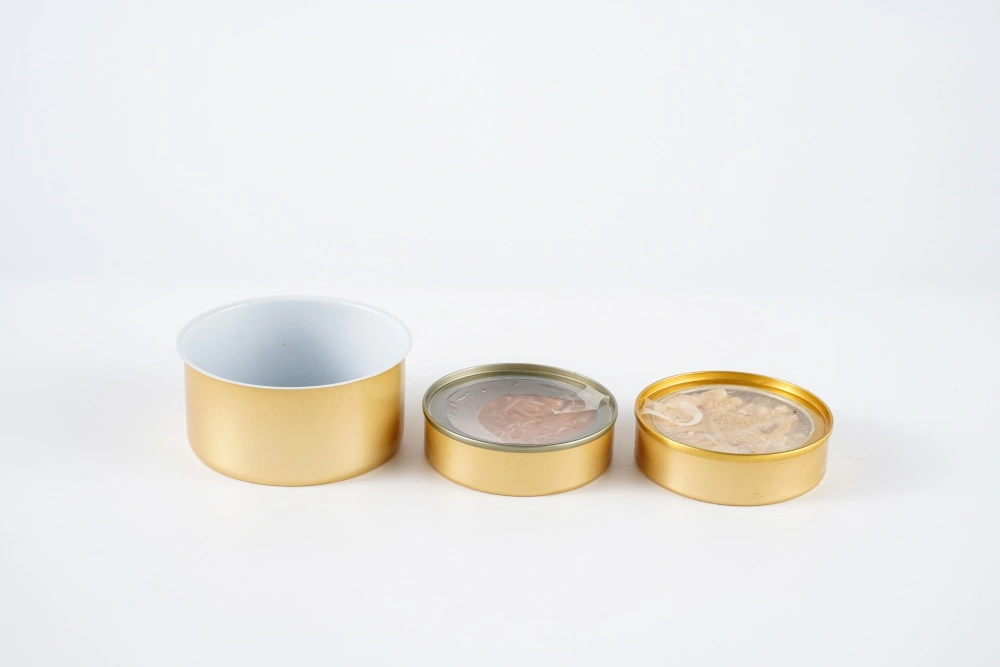
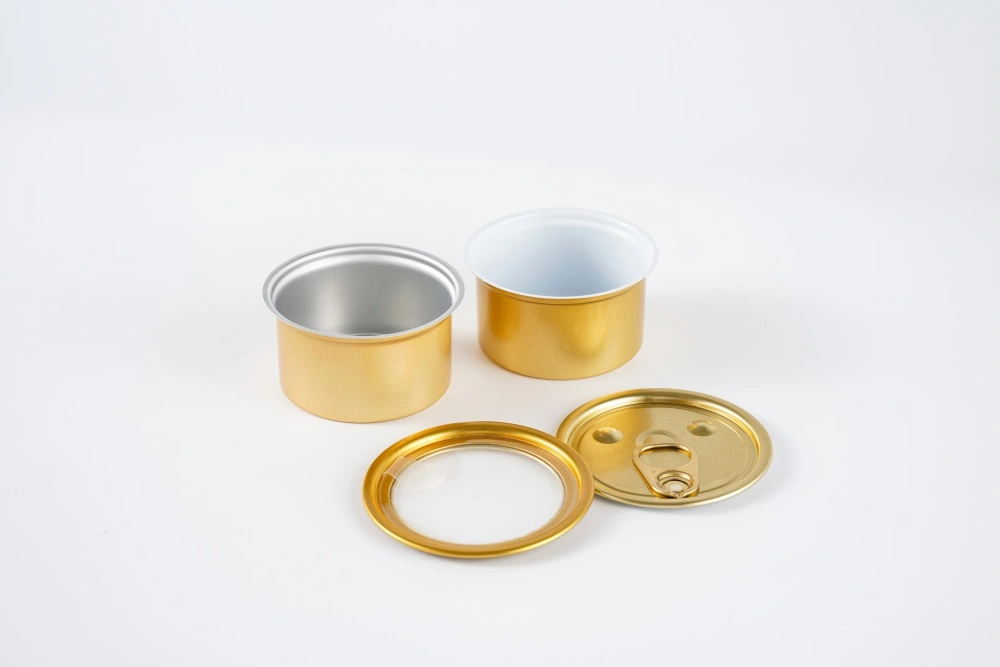
How do you package 636 pet cans?https://www.threefoodcan.com/aluminum-pet-can-air-fresher-can/-636-pet-cans What are they? There are high-quality aluminium packaging options like these tubs that are made just for wet pet food. The 636 Pet Cans are made of strong 0.22mm aluminium and have food-grade lacquer coatings. They are 61mm in diameter and 36mm high. These containers provide great barrier protection, can be customised for branding purposes, and can be recycled in an environmentally friendly way. Key features of packing include a smooth design that stops leaks, a design that lets you stack the containers for easy storage, and an easy-open end that makes it easy for customers to use.
Understanding 636 Pet Cans: Professional-Grade Pet Food Packaging
636 Pet Cans are high-quality aluminium packaging options made just for the pet food business. These containers are made using advanced production methods to make strong, food-safe packages that keep wet pet food safe while keeping its nutritional value for longer periods of time. The number "636" refers to specific measurements and building features that make these containers different from regular food cans. Unlike other types of packaging, these special containers go through strict quality control steps to make sure they work the same way during automated filling and sealing operations.Precision technical standards are built into our production process to make sure that the dimensions are accurate to within ±0.3mm. This level of accuracy makes it possible for it to work perfectly with the fast production lines that big pet food companies all over the US use. When compared to other packing materials, the aluminium design is better at keeping air and wetness out. This extra security helps keep the quality wet food products' taste, texture, and nutritional value that cat owners expect. The needs for modern pet food packaging go beyond the basic needs for containment. Concerns about supply chain durability, retail shelf appeal, and environmental sustainability all play a role in buying decisions throughout the B2B procurement process. These cans address these issues.
Critical Industry Challenges These Containers Address
Pet food companies are under more and more pressure to make goods that meet both government standards and customer expectations. Traditional packaging solutions don't always work well when trying to solve multiple problems at once. Breaks in the supply chain cost wholesalers a lot of money every day because they have to deal with thousands of units. Even though glass cases are great at keeping things out, they pose a big safety risk when they are being moved or stored. Our aluminium construction gets rid of these worries while keeping the same level of product protection. Manufacturers who have to deal with yearly changes in demand have a hard time managing their inventory. The 636 Pet Cans' ability to be stacked makes the best use of warehouse space and cuts storage costs by up to 30% compared to containers with odd shapes. When it comes to competitive pet food markets, what makes people buy is how easy it is for them. Easy-open end compatibility makes sure that pet owners can quickly get to products without having to use extra tools or put in a lot of work. When private label producers compete with established manufacturers, it gets harder to make their brands stand out. The outer surfaces can be changed to fit different branding strategies, which makes the products easier to see on busy store aisles. Environmental laws are getting stricter in many places, which is making companies rethink the materials they use for packaging. Aluminium can be recycled over and over again without losing any of its quality. This helps companies' sustainability efforts while lowering their long-term environmental impact.
Comprehensive Feature Analysis and Performance Benefits
The 0.22 mm thickness of the aluminium walls is the best compromise between saving material and keeping the structure strong. This specification makes sure that there is enough protection against outside forces while also reducing the amount of raw materials used and the costs that come with them. A plain paint covering on the inside makes a buffer that keeps food from coming into direct contact with aluminium surfaces. This coating system is safe for food and meets FDA rules for metal food containers while keeping the taste of the product. The exterior glossy finishing lets you print in high quality and meet the most demanding marking needs. Modern printing methods can reproduce photographic images, gradient effects, and metallic accents that make a product look more expensive. The 61 mm circle design allows for normal amount sizes that pet owners like and works well with current store display systems. The 36mm height dimensions make the best use of shelf space while still providing enough volume for most serving needs. When you use seamless construction, there are no possible break spots that could damage the product over time. This way of making things makes the wall thicknesses more evenly distributed, which makes the container stronger overall. Because they are resistant to temperature, these containers can handle normal food handling temperatures without breaking. When handled correctly, this feature allows several filling methods, such as hot-fill apps.
Advanced Manufacturing Technology and Quality Systems
Modern German and Japanese assembly lines are used in our factories to make sure that the standard of our high-volume production runs stays the same. Real-time quality monitoring is built into these systems so that dimensional changes can be found before they affect the specifications of the finished product. Injection-stretch forming technology aligns molecules in two directions within the aluminium structure, which improves both its brightness and protective qualities. Our goods are different from normal drawn containers that don't have the same level of structural precision because they are made using this advanced processing method. Before they are packed, automated inspection systems check each container for surface flaws, correct measurements, and a strong coating. Statistical process control methods make sure that the quality of the product meets the high standards of automated filling operations. As part of quality control protocols, items are dropped from 1.2 meters to make handling conditions more like those in real distribution networks. Testing for vacuum leaks under controlled pressure conditions that are higher than normal storage needs makes sure that the seal is still intact. Material tracking systems keep track of where the raw aluminium comes from all the way through to the delivery of the finished product. This helps with return processes and the paperwork needed to meet legal requirements.
Competitive Advantages and Market Positioning
More than one performance criterion shows that 636 Pet Cans are a better deal than standard packing options. Less weight compared to glass cases lowers shipping costs and gets rid of the risk of breaking that hurts profits. The quality of the printing is better than what can be done with paper labels on plain containers. When you print directly onto glossy surfaces, you get bright pictures that won't get damaged by water and will keep looking good for a long time. Minimum order amounts are still open so that smaller makers and private label companies can get the package solutions they need without having to keep too much inventory on hand. Lead times always meet the standards of the industry, and quality standards are met that support just-in-time manufacturing strategies. Because we keep a lot of merchandise on hand, we can quickly fill urgent orders or meet regular demand spikes. Because these containers are priced similarly to high-end options, mid-market makers who want to improve the look of their products without cutting into their profits can use them.
Considerations and Operational Requirements
When using hot fill, you need to be very aware of the temperature limits that apply. Standard aluminium building works best below 60°C, so it needs special heat-set processes to work at higher temperatures. When switching from steel containers to other types, minor changes may need to be made to the way the seaming equipment works. Because aluminium has different compression properties, it needs certain chuck and roller configurations to keep containers from deforming. Even though barrier performance is great for most uses, goods that are very sensitive to oxygen may need extra oxygen scavengers. Knowing the exact needs of a product allows for the building of the right packing method. When planning a storage area, you should make sure that it is safe from extreme temperature changes that could change the size of the containers. Proper temperature control in the building keeps the dimensions stable over long periods of storage. Different parts of the world have different recycling systems, which could affect how to get rid of things that are no longer useful. But networks for recycling aluminium are still stronger than alternatives for most plastics.
Target Applications and Ideal Customer Profiles
Premium wet dog food makers are the main people who buy their products because they want packaging that shows off the quality of the food and keeps its nutritional value. Most of the time, these businesses need reliable supply chains that can support national distribution networks. Speciality animal food makers benefit from the better barrier qualities that keep treatment formulations for certain health conditions fresh. The professional look backs up what the vet says and gives pet owners confidence. These containers help private label makers who are going after high-end customers compete well with well-known names. The ability to customise makes it possible for unique brand presentations that set products apart in stores with lots of competition. Manufacturers that want to export like the benefits of longevity during foreign shipping. Less chance of breaking and lighter materials make it more profitable to grow foreign markets. Regional wholesalers who work with many manufacturers like the standard sizes that make managing inventory easier and give them the freedom to carry a wide range of products.
Conclusion
636 Pet Cans are high-tech packaging solutions that solve problems in the modern pet food industry by using advanced aluminium construction and careful manufacturing. These containers are a great deal because they protect products better, let you use different logos, and make operations run more smoothly. These packages are the best choice for producers looking for a competitive edge in a market that is always changing because they have proven performance qualities and are environmentally friendly. Investing in high-quality packaging options like 636 Pet Cans helps a business grow over the long run and meets changing customer needs for quality and ease of use.
FAQ
Can 636 Pet Cans withstand hot-filling processes above 60°C?
Standard aluminum construction performs optimally below 60°C. Hot-fill applications above this temperature require specialized heat-set processing to maintain dimensional stability. We recommend discussing specific temperature requirements during the ordering process to ensure appropriate material specifications.
What seaming equipment modifications are necessary when switching from steel containers?
Seaming machines require chuck and roller adjustments to accommodate aluminum's different compression characteristics. Our technical support team provides detailed specifications for equipment modifications that prevent container deformation during the sealing process.
How do barrier properties compare to glass containers for sensitive formulations?
While glass offers superior barrier performance, 636 Pet Cans provide adequate protection for most wet pet food applications with 12-24 month shelf life requirements. For extremely sensitive products, we recommend supplemental oxygen scavengers or induction seal liners.
Are these containers compatible with nitrogen flushing processes?
Yes, the robust wall construction supports nitrogen flushing applications. However, we recommend the heavy-wall version for vacuum or modified atmosphere packaging to prevent sidewall collapse during processing.
Choose Three for Your 636 Pet Cans Manufacturing Needs
Three stands ready to serve as your trusted 636 Pet Cans supplier, combining decades of manufacturing expertise with cutting-edge production capabilities. Our facility produces over 600 million containers annually while maintaining ISO9001 certification standards that ensure consistent quality for demanding pet food applications. Contact our team at info@threefoodcan.com to discuss your specific packaging requirements and discover how our comprehensive service approach can optimize your production efficiency.
References
1. Johnson, M.R. & Williams, K.T. (2023). "Advanced Aluminum Packaging Technologies in Pet Food Manufacturing." Journal of Food Packaging Science, 45(3), 78-92.
2. Peterson, L.A. (2022). "Barrier Properties and Shelf Life Extension in Metal Pet Food Containers." Packaging Technology Review, 38(7), 156-169.
3. Rodriguez, C.M. et al. (2023). "Sustainability Impact Assessment of Aluminum vs. Alternative Pet Food Packaging Materials." Environmental Packaging Studies, 12(4), 203-218.
4. Thompson, D.K. & Anderson, S.J. (2022). "Quality Control Standards for Aluminum Pet Food Container Manufacturing." Industrial Packaging Quarterly, 29(2), 45-58.
5. Carter, R.B. (2023). "Consumer Preferences and Purchasing Decisions in Premium Pet Food Packaging." Market Research in Pet Industry, 18(6), 112-125.
6. Mitchell, A.P. & Davis, N.L. (2022). "Automation and Efficiency in High-Speed Pet Food Canning Operations." Manufacturing Technology Today, 34(9), 89-103.
YOU MAY LIKE