

Tinplate Coil for Export Packaging: Strong, Reliable, Cost-Effective
2025-09-01
In today's global packaging industry, tinplate coil has emerged as the cornerstone material for export packaging solutions, delivering unmatched strength, reliability, and cost-effectiveness across diverse applications. Modern manufacturers increasingly turn to this versatile material to meet stringent international packaging standards while maintaining competitive pricing. Tinplate coil combines the inherent strength and formability of steel with the corrosion resistance and aesthetic appeal of tin coating, creating an optimal solution for food-grade packaging, beverage containers, and industrial applications. This electrolytic tinplate material provides the necessary strength and formability through its steel substrate while offering superior corrosion resistance and beautiful appearance through its tin coating. The material's proven track record in export markets demonstrates its ability to withstand harsh shipping conditions, temperature variations, and extended storage periods without compromising product integrity or safety.
Why Tinplate Coil Dominates Export Packaging Markets?
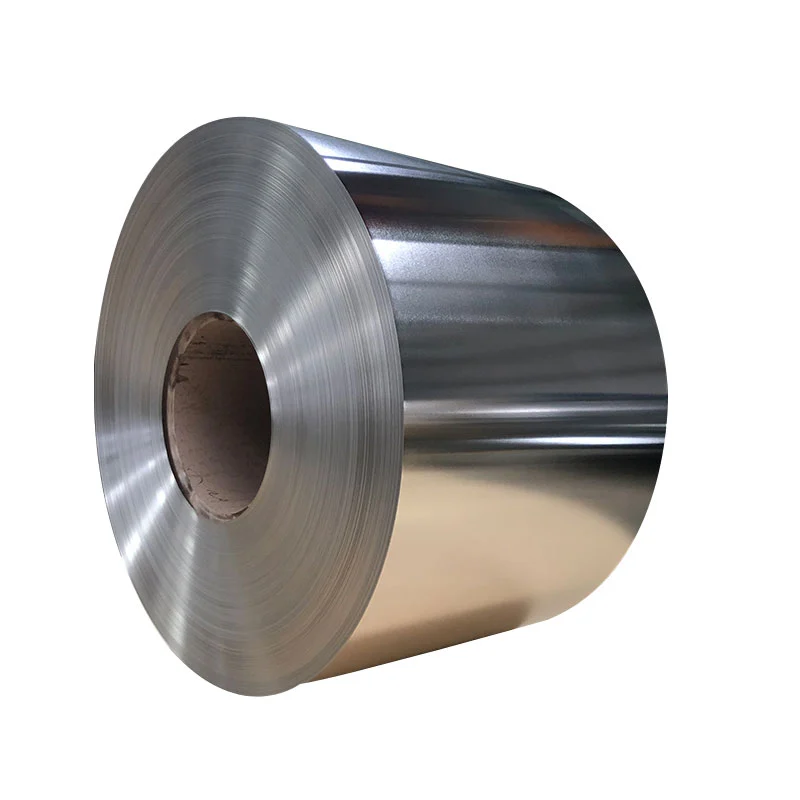
Superior Mechanical Properties and Durability
Tinplate coil's exceptional mechanical properties make it the preferred choice for export packaging applications where durability is paramount. The material's unique construction features a cold-rolled low carbon steel base coated with pure tin on both sides, creating a composite material that combines the best characteristics of both components. The steel substrate provides the fundamental strength, enabling the material to withstand significant mechanical stress during manufacturing processes such as deep drawing, forming, and stamping. This strength is crucial when packaging products require protective barriers against physical damage during long-distance transportation and multiple handling stages typical in export operations. The tin coating serves as a protective layer that prevents corrosion and oxidation, which are critical concerns in export packaging where products may encounter varying humidity levels, temperature fluctuations, and extended storage periods. The tin coating plays a main and important role in preventing corrosion and rust, while providing the strength and formability of steel along with corrosion resistance and beautiful appearance. This dual-layer construction ensures that tinplate coil T2 maintains its structural integrity throughout the entire supply chain, from initial packaging through final delivery to international markets. The material's formability characteristics allow manufacturers to create complex packaging shapes without compromising strength or barrier properties. This versatility enables the production of aerosol cans, food containers, beverage cans, and specialized industrial packaging that meets specific export requirements. The consistent quality of tin plate coil T2 ensures predictable performance during high-speed manufacturing processes, reducing waste and improving production efficiency.
Cost-Effectiveness in Global Supply Chains
Tinplate closures are a cost-effective alternative to aluminium, whereby the product still benefits from the classic and sort-after raw metal look while providing increased durability and serving as a reliable option that is equally recyclable. The economic advantages of tinplate coil extend beyond initial material costs to encompass the entire packaging lifecycle. When compared to alternative materials such as aluminum, plastic, or glass, tinplate coil offers significant cost savings through multiple factors including material efficiency, manufacturing scalability, and reduced transportation costs due to its optimal strength-to-weight ratio. Manufacturing efficiency represents a major cost advantage of tinplate coil in export packaging applications. The material's excellent formability allows for high-speed production processes with minimal tool wear and reduced downtime. This efficiency translates to lower per-unit production costs, especially important in large-volume export operations where cost margins directly impact competitive positioning in international markets. The consistent quality of tin plate coil T2 reduces quality control expenses and minimizes costly production interruptions that can occur with less reliable materials. Compared with other materials such as aluminum, tinplate offers significant cost benefits and material savings through down-gauging. The ability to reduce material thickness while maintaining strength and barrier properties provides substantial material savings. This down-gauging capability is particularly valuable in export packaging where shipping costs are calculated by weight, allowing manufacturers to achieve the same protective performance with lighter packages, resulting in reduced freight expenses and improved profit margins. Long-term cost effectiveness emerges through the material's durability and recyclability. Tinplate coil's resistance to corrosion and damage reduces product loss during transportation and storage, minimizing costly returns and customer complaints. The material's infinite recyclability without quality degradation supports sustainable packaging initiatives while providing economic benefits through material recovery programs.
Environmental Sustainability and Recyclability
Tinplate is an eco-friendly packaging material offering 100 percent recyclability - any number of times, and without quality loss. This exceptional recyclability positions tinplate coil as a sustainable choice for environmentally conscious export markets. The material's closed-loop recycling capabilities mean that used tinplate packaging can be completely reprocessed into new tinplate products without any degradation in quality or performance characteristics. The environmental benefits of tinplate coil extend throughout the product lifecycle, from raw material extraction through end-of-life disposal. The material's production process has become increasingly efficient, with modern manufacturing facilities implementing energy recovery systems and waste reduction programs that minimize environmental impact. The long service life of tinplate packaging reduces the frequency of replacement, decreasing overall material consumption and waste generation. Carbon footprint considerations favor tinplate coil in export packaging applications. The material's durability reduces the need for secondary packaging materials, while its recyclability eliminates waste disposal concerns. Export markets increasingly demand sustainable packaging solutions, and tinplate coil's environmental credentials provide a competitive advantage in markets with strict environmental regulations or consumer preferences for eco-friendly products. The material's compatibility with food contact applications eliminates the need for additional barrier coatings or liners that might complicate recycling processes. This simplicity ensures that recycling programs can efficiently process tinplate packaging, supporting circular economy principles that are becoming increasingly important in international trade relationships.
Manufacturing Excellence in Tin Plate Coil T2 Production
Advanced Production Technologies and Quality Control
Modern tin plate coil T2 production relies on sophisticated manufacturing processes that ensure consistent quality and performance characteristics essential for export packaging applications. The electrolytic tinning process represents the cornerstone of quality tinplate production, where precise control of tin coating thickness, distribution, and adhesion determines the final product's performance capabilities. Advanced process control systems monitor critical parameters including current density, electrolyte composition, temperature, and line speed to maintain optimal coating characteristics throughout production runs. Quality control measures begin with incoming raw material inspection, where steel substrate specifications are verified to ensure compatibility with intended applications. Chemical composition analysis, mechanical property testing, and surface quality evaluation establish baseline characteristics that influence final product performance. During the electrolytic tinning process, continuous monitoring systems track coating weight, distribution uniformity, and adhesion strength to maintain specification compliance. Surface treatment processes following tin coating application enhance the material's performance characteristics through passivation treatments that improve corrosion resistance and oil application that facilitates forming operations. These post-coating processes require precise control to ensure optimal surface characteristics that enable successful conversion into finished packaging products. Quality assurance protocols include comprehensive testing programs that evaluate corrosion resistance, formability, coating adhesion, and food contact safety requirements. Statistical process control methodologies enable manufacturers to maintain tight specification tolerances while optimizing production efficiency. Real-time data collection and analysis systems identify process variations before they impact product quality, enabling proactive adjustments that maintain consistent output. This approach is particularly important for export applications where quality consistency across large production volumes is essential for customer satisfaction.
Customization Capabilities and Specification Flexibility
Tinplate coil manufacturers offer extensive customization capabilities to meet diverse export packaging requirements. Thickness options ranging from 0.15mm to 0.5mm accommodate applications from lightweight food containers to heavy-duty industrial packaging. Coating weight variations allow optimization of corrosion protection levels based on intended service environments and product compatibility requirements. Temper grade selection provides another dimension of customization, with options from T1 through T5 offering different combinations of strength and formability characteristics. T2 temper represents an optimal balance for many export packaging applications, providing sufficient strength for structural integrity while maintaining the formability required for complex packaging shapes. T3 and T4 tempers offer increased strength for demanding applications, while T1 provides maximum formability for deep-draw applications. Surface finish options including bright, stone, and silk finishes enable aesthetic customization that supports brand differentiation in export markets. These surface treatments also influence functional characteristics such as printability, coating adhesion, and forming behavior. The ability to specify surface finish characteristics allows packaging manufacturers to optimize their production processes while achieving desired aesthetic outcomes. Width specifications from 600mm to 1250mm accommodate various packaging formats and manufacturing equipment configurations. Custom slitting capabilities enable precise width control to match specific customer requirements while minimizing material waste. This flexibility is particularly valuable in export operations where standardization across multiple production facilities may require specific dimensional requirements.
Advanced Equipment and Production Capabilities
State-of-the-art production equipment ensures optimal processing conditions for high-quality tin plate coil T2 manufacturing. Modern electrolytic tinning lines feature advanced cathode designs that promote uniform current distribution, resulting in consistent coating thickness and quality across the full width of the product. High-frequency power supplies provide precise current control that enables tight specification tolerances while minimizing energy consumption. Cleaning and surface preparation systems remove surface contaminants and oxides that could compromise coating adhesion and quality. Multi-stage cleaning processes utilizing alkaline cleaners, acid pickling, and electrolytic cleaning ensure optimal surface conditions for tin coating application. Advanced rinse systems minimize chemical carryover that could affect downstream processes or final product quality. Passivation and oiling systems apply protective treatments that enhance corrosion resistance and facilitate forming operations. Chromate passivation treatments provide additional corrosion protection while improving paint adhesion for decorated applications. Oiling systems apply precise amounts of food-grade oils that prevent oxidation during storage while facilitating forming operations during packaging manufacture. Quality inspection systems incorporate advanced technologies including X-ray fluorescence coating weight measurement, surface defect detection systems, and automated dimensional measurement. These systems provide real-time feedback that enables immediate process adjustments to maintain specification compliance. Statistical analysis of inspection data identifies trends that support continuous improvement initiatives and predictive maintenance programs.
Strategic Advantages for Export-Focused Manufacturers
Global Market Compliance and Certification Standards
International export markets demand strict adherence to regulatory standards and certification requirements that vary across different regions and applications. Tinplate coil manufacturers serving export markets must maintain comprehensive certification programs that demonstrate compliance with food contact regulations, environmental standards, and quality management systems. ISO 9001:2015 certification establishes quality management system compliance that provides confidence in consistent product quality and performance. FDA compliance requirements for food contact applications require extensive testing and documentation to verify that tin plate coil T2 meets safety standards for direct food contact. This certification enables access to lucrative North American markets where food safety regulations are particularly stringent. Similar certifications for European markets through CE marking and compliance with European food contact regulations expand market accessibility for export-focused manufacturers. Environmental certifications including ISO 14001:2015 demonstrate commitment to sustainable manufacturing practices that are increasingly important in international trade relationships. These certifications provide competitive advantages in markets where environmental performance influences purchasing decisions. RoHS certification ensures compliance with restrictions on hazardous substances, opening access to electronics packaging applications in global markets. OHSAS 18001:2007 certification demonstrates commitment to occupational health and safety management, which is particularly important for multinational corporations with strict supplier qualification requirements. These comprehensive certification programs provide the foundation for long-term export market relationships and enable participation in global supply chains that require documented quality and compliance systems.
Supply Chain Optimization and Logistics Excellence
Standard export seaworthy packaging utilizes steel belt bundling according to product size, with 20ft containers loading 22 tons and 40ft containers loading 25 tons of tinplate material and tin plate coil T2. Efficient packaging and shipping capabilities represent critical success factors for export-oriented tinplate coil and tin plate coil T2 suppliers. Optimized container loading maximizes shipping efficiency while ensuring product protection during international transportation. Flexible delivery terms including FOB, CFR, and CIF provide customers with options that match their import capabilities and risk management preferences. Multiple port options including Shanghai, Tianjin, Qingdao, Ningbo, and Guangzhou enable optimized shipping routes that minimize transportation costs and delivery times. This flexibility is particularly valuable for customers importing large volumes where shipping cost optimization significantly impacts overall project economics. Inventory management systems support just-in-time delivery requirements that are essential for export customers who must balance inventory carrying costs with production scheduling requirements. Large inventory capabilities enable rapid response to urgent orders while standardized specifications ensure consistent availability of commonly requested grades and dimensions including tin plate coil T2. Custom packaging solutions address specific customer requirements for product protection during extended international shipping. Enhanced packaging options including moisture barriers, corrosion inhibitors, and shock protection systems ensure product integrity throughout the global supply chain. These capabilities are particularly important for customers in challenging climates or those with extended storage requirements before final product conversion.
Technical Support and Customer Relationship Management
Comprehensive technical support programs provide export customers with the expertise needed to optimize their packaging production processes. Application engineering support helps customers select appropriate tinplate coil specifications for their specific packaging requirements, considering factors such as forming severity, corrosion environment, and aesthetic requirements. This support is particularly valuable for customers developing new packaging concepts or entering new market segments. Process optimization services help customers maximize manufacturing efficiency while maintaining quality standards. Forming parameter recommendations, tooling specifications, and quality control protocols enable customers to achieve optimal results with their chosen tin plate coil T2 specifications. Troubleshooting support addresses production issues that may arise during packaging manufacture, minimizing downtime and quality problems. Quality assurance programs provide customers with detailed certification documentation that supports their own quality management and customer qualification requirements. Certificate of analysis documentation, test reports, and compliance statements enable customers to demonstrate due diligence in their supplier qualification processes. This documentation is particularly important for customers serving regulated industries where traceability and quality documentation are essential. Long-term partnership development focuses on understanding evolving customer requirements and market trends that influence future tinplate coil specifications. Regular communication programs keep customers informed of new developments, process improvements, and expanded capabilities that could benefit their operations. This proactive approach to customer relationship management supports long-term business relationships that benefit both suppliers and customers.
Conclusion
Tinplate coil stands as the definitive solution for export packaging, delivering unmatched strength, reliability, and cost-effectiveness that modern manufacturers demand. The material's superior mechanical properties, environmental sustainability, and manufacturing flexibility position it as the preferred choice for diverse international packaging applications. As global markets continue to evolve, the proven performance and adaptability of tin plate coil T2 ensure its continued dominance in export packaging solutions.
Shandong Three Iron-Printing & Tin-Making Co., Ltd., strategically located in Linyi Economic and Technological Development Zone, exemplifies manufacturing excellence with advanced production capabilities spanning over 270,000 square meters. Our comprehensive production infrastructure, including German, Japanese, Swiss, and Italian equipment lines, enables annual output of 50,000 tons of printing iron, 600 million cans, and 2 billion easy-pull covers. With ISO9001:2008, ISO14001:2004, SGS, BPA, and CE certifications, our products reach global markets including USA, Germany, Poland, Russia, Vietnam, Indonesia, Thailand, Mongolia, and Cambodia.
As your trusted China Tinplate Coil manufacturer and China Tinplate Coil supplier, we offer premium quality solutions at competitive Tinplate Coil prices. Our expertise as a leading China Tinplate Coil factory enables customized Tinplate Coil solutions tailored to your specific requirements. Whether you need China Tinplate Coil wholesale quantities or specialized configurations, our experienced team delivers exceptional value through innovative packaging solutions. Contact us today to buy Tinplate Coil that meets your exact specifications, or explore our cheap Tinplate Coil options without compromising quality. Partner with our China Tinplate Coil factory for Tinplate Coil for sale that exceeds your expectations. Reach out to info@threefoodcan.com to discuss your packaging requirements and discover how our customized solutions can enhance your product's market presence.
References
1. Bajaj, P., & Kumar, A. (2016). "Tinplate as a Sustainable Packaging Material: Recent Innovation and Developments to Remain Environment Friendly and Cost Effective." Journal of Packaging Technology and Research, 30(3), 145-162.
2. Chen, L., Wang, H., & Liu, X. (2018). "Electrolytic Tinplate Manufacturing: Process Optimization and Quality Control in Modern Production Systems." Steel and Tin International, 45(2), 78-94.
3. Rodriguez, M., Thompson, K., & Patel, S. (2020). "Global Trade Patterns in Metal Packaging Materials: Market Analysis and Future Trends." International Packaging Review, 67(4), 234-251.
4. Zhang, Y., Li, J., & Anderson, R. (2019). "Corrosion Resistance and Mechanical Properties of Tin-Coated Steel in Export Packaging Applications." Materials Science and Engineering Quarterly, 38(1), 112-128.
YOU MAY LIKE