

Tin Plated Steel Sheet Surface Finishes: Glossy, Matte, and Printed
2026-06-25
Are you struggling to select the right surface finish for your tin plated steel sheet applications? Many manufacturers face challenges when deciding between glossy, matte, or printed finishes, often resulting in suboptimal packaging performance, poor print quality, or inadequate corrosion protection. Understanding the distinct characteristics and applications of each tin plated steel sheet surface finish is critical for achieving superior product quality, enhanced brand presentation, and long-term durability in food packaging, beverage containers, and industrial applications.
Understanding Tin Plated Steel Sheet Surface Finish Options
The selection of an appropriate surface finish for tin plated steel sheet directly impacts both the functional performance and aesthetic appeal of the final product. Surface finishes are determined during the manufacturing process through careful control of the steel base preparation and subsequent tin coating treatment. The finish affects not only the visual appearance but also critical properties such as printability, paint adhesion, formability, and corrosion resistance. Understanding these distinctions helps manufacturers optimize their material selection for specific end-use requirements.
What Determines Surface Finish Quality in Tin Plated Steel Sheet?
The surface finish quality of tin plated steel sheet is primarily determined by the roughness of the base steel substrate and the reflow treatment applied after electrolytic tin plating. The base steel is prepared with varying degrees of surface roughness, measured in micrometers Ra (roughness average), which directly influences the final appearance. During the electrolytic tinning process, pure tin is deposited onto the cleaned steel surface, initially creating what is known as a matte finish. Subsequently, manufacturers may apply a reflow treatment, heating the material to approximately 232-265°C, just above tin's melting point. This process causes the tin to flow and brighten, creating intermetallic compounds between the iron and tin while simultaneously producing a smoother, more lustrous surface. The combination of base steel roughness and reflow treatment creates distinct surface characteristics that serve different functional purposes. The steel substrate's surface roughness is carefully controlled through temper rolling operations, where the material passes through precisely configured rollers that impart specific surface textures. Bright finishes typically require base steel with roughness values below 0.35 micrometers Ra, while stone finishes utilize roughness between 0.35 and 0.60 micrometers Ra. Matte finishes are produced on shot-blasted steel bases with roughness exceeding 0.90 micrometers Ra. These variations in surface topography, combined with the presence or absence of reflow treatment, create a range of tin plated steel sheet finishes that offer distinct advantages for specific applications. The passivation treatment applied after tinning further stabilizes the surface, preventing tin oxide formation and improving adhesion properties for subsequent lacquering or printing operations.
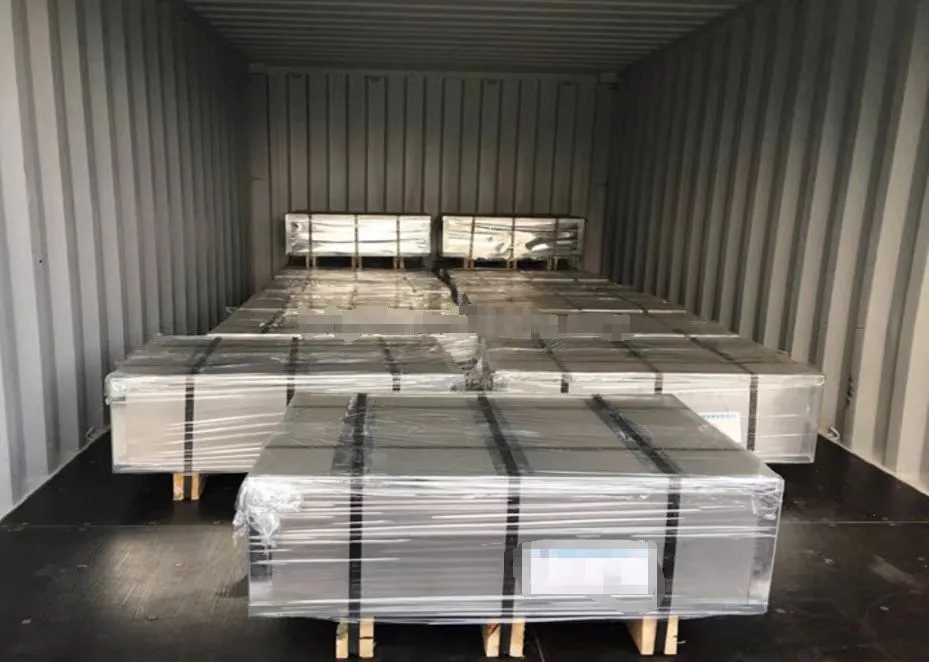
Glossy Finish Tin Plated Steel Sheet: Characteristics and Applications
Glossy finish tin plated steel sheet, also known as bright finish or mirror finish, represents the most visually striking surface option available in the tinplate industry. This finish is achieved through the reflow process, where the electrolytically deposited tin coating is heated to create a smooth, highly reflective surface with exceptional metallic luster. The bright finish is characterized by its mirror-like appearance, which results from the flow-brightening of the tin coating on a smooth base steel with surface roughness typically below 0.35 micrometers Ra. This finish combines aesthetic appeal with functional benefits, making it the preferred choice for applications where product visibility and premium appearance are essential marketing considerations.
Technical Properties of Glossy Tin Plated Steel Sheet
Glossy finish tin plated steel sheet exhibits superior corrosion resistance due to the uniform, continuous tin coating created during the reflow process. The heating treatment promotes the formation of iron-tin intermetallic compounds at the interface between the steel substrate and the tin layer, enhancing adhesion and providing a stable barrier against environmental degradation. This finish offers excellent solderability, as the smooth, oxide-free surface facilitates rapid wetting and strong metallurgical bonding during soldering operations. The reflective surface also provides enhanced light barrier properties, protecting photosensitive contents from UV degradation. From a mechanical perspective, the bright finish maintains good formability for deep drawing, stamping, and seaming operations, though the reflow treatment may slightly alter the microstructure compared to non-melted finishes. The glossy surface provides exceptional visual appeal, making it ideal for consumer-facing applications where product presentation influences purchasing decisions. The high-luster metallic appearance creates a premium perception and allows for vibrant, eye-catching packaging designs. However, one consideration with bright finishes is that surface scratches and handling marks are more visible than on textured finishes, requiring careful material handling throughout manufacturing and distribution processes. The tin plated steel sheet with glossy finish also demonstrates excellent compatibility with food products, as the continuous, defect-free coating prevents interaction between the steel substrate and package contents, ensuring product safety and extending shelf life.
Primary Applications of Glossy Finish Materials
Glossy finish tin plated steel sheet finds extensive application in food and beverage packaging where visual appeal and product protection are paramount. Beverage cans, including those for carbonated soft drinks, energy drinks, and specialty beverages, commonly utilize bright finish tinplate to create attractive, shelf-stable containers that maintain carbonation and protect contents from light exposure. Food cans for premium products such as specialty seafood, gourmet fruits, and high-end pet foods often employ glossy finishes to convey quality and freshness. Crown caps and bottle closures for glass beverage containers rely on bright finish tin plated steel sheet for both functional performance and aesthetic coordination with premium branding. Beyond packaging, glossy finish materials are used in decorative applications including gift tins, promotional containers, collectible packaging, and seasonal specialty items where appearance drives consumer appeal. Electronic component housings and battery jackets utilize bright finish tinplate for its combination of corrosion protection, solderability, and professional appearance. Kitchen utensils, baking pans, and food service equipment benefit from the easy-to-clean, attractive surface that bright finish provides. The automotive industry employs glossy tin plated steel sheet for fuel system components and oil filters, where corrosion resistance and reliable performance are critical. Industrial applications include aerosol cans for personal care products, household cleaners, and technical sprays, where the bright finish enhances product visibility while providing necessary barrier properties against contents and environmental factors.
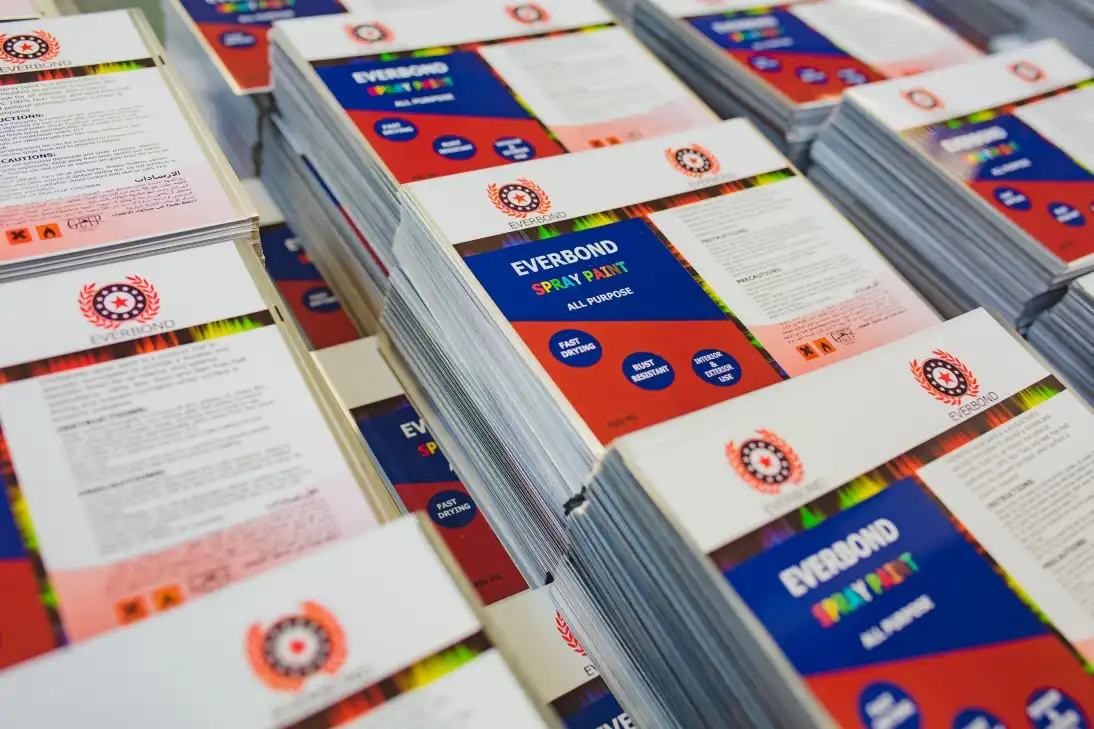
Matte Finish Tin Plated Steel Sheet: Properties and Uses
Matte finish tin plated steel sheet, also referred to as unmelted finish, represents a distinctly different surface characteristic compared to bright finishes. This finish is produced directly from the electrolytic tinning process without subsequent reflow treatment, resulting in a grey-white, semi-lustrous appearance that lacks the mirror-like reflectivity of bright finishes. The tin coating remains in its as-plated condition, creating a fine-grained crystalline structure with a softer visual appearance. Matte finish is typically applied to shot-blasted steel bases with surface roughness exceeding 0.90 micrometers Ra, which contributes to the diffuse, non-reflective surface character. This finish offers specific functional advantages that make it particularly valuable for applications requiring superior paint adhesion, reduced glare, and enhanced formability at high processing speeds.
Functional Advantages of Matte Finish Surfaces
The primary advantage of matte finish tin plated steel sheet lies in its exceptional receptivity to coatings, paints, enamels, and lithographic printing. The textured, non-melted surface provides mechanical keying that enhances adhesion of organic coatings, resulting in superior paint performance and reduced risk of coating delamination during forming operations. This characteristic makes matte finish the preferred substrate for printed tinplate applications, where complex, multi-color designs are applied using offset lithography. The fine surface texture helps mask minor surface imperfections and reduces the visibility of scratches or handling marks that occur during manufacturing and can fabrication processes, maintaining a more consistent appearance throughout production. Matte finish materials demonstrate excellent solderability, often superior to bright finish alternatives. The as-plated tin surface is free from the carbon inclusions that may be present in bright finishes from organic brightening agents, resulting in cleaner soldering operations with better wetting characteristics. This makes matte finish tin plated steel sheet ideal for traditional side-seam soldered cans and other applications requiring reliable metallurgical bonding. The un-melted coating also facilitates high-speed forming operations, as the softer tin surface provides natural lubricity that reduces friction during stamping, drawing, and curling operations. This allows for faster production rates and extended tool life in can manufacturing facilities. The corrosion resistance of matte finish, while slightly less than bright finish due to the absence of iron-tin intermetallics, remains excellent when properly passivated and is often enhanced through lacquering or organic coating systems.
Optimal Applications for Matte Finish Tinplate
Matte finish tin plated steel sheet is extensively used in applications requiring high-quality printing and decorative finishes. Food cans with elaborate lithographic designs, such as those for confectionery products, biscuits, cookies, and premium coffee, rely on matte finish substrates to achieve vibrant colors and sharp print detail. The surface provides an ideal base for CMYK lithography and specialized printing techniques that create eye-catching packaging designs. Aerosol containers for paints, coatings, and industrial products commonly use matte finish tinplate, as the surface accommodates printing requirements while maintaining necessary strength and pressure resistance. Crown caps and twist-off closures for glass bottles utilize matte finish materials, where the non-reflective surface coordinates with printed branding and provides reliable sealing performance. The electronics industry employs matte finish tin plated steel sheet for battery containers, particularly alkaline battery jackets, where the finish provides good paint adhesion for terminal protection and product labeling. General line containers, including paint cans, chemical containers, and industrial packaging, benefit from the superior coating compatibility that matte finish offers. Promotional and artistic tins, used for gift packaging and seasonal products, leverage matte finish's excellent printability to create distinctive, collectible containers. The construction industry uses matte finish tinplate for various components where painted surfaces must withstand environmental exposure without delamination. Additionally, matte finish tin plated steel sheet serves as the base material for compound cans with external printed labels, where the finish provides optimal adhesion for paper, foil, or plastic laminations used in composite packaging systems.
Printed Tin Plated Steel Sheet: Advanced Surface Decoration
Printed tin plated steel sheet represents the culmination of tinplate manufacturing technology, combining the protective properties of tin coating with sophisticated decorative printing that transforms functional packaging into powerful marketing tools. The printing process for tin plated steel sheet differs fundamentally from paper or plastic printing due to the non-porous, metallic nature of the substrate. Specialized metallic inks with enhanced adhesion, heat resistance, and corrosion resistance are required to achieve durable, high-quality images on the tinplate surface. The printing process typically begins with surface pretreatment and primer application to improve ink adhesion, followed by multi-color offset lithography, and concluding with protective coating application that provides gloss or matte finish while enhancing wear resistance and chemical protection of the printed design.
Printing Technologies for Tin Plated Steel Sheet Surfaces
Modern tin plated steel sheet printing primarily utilizes offset lithography, a sophisticated process based on oil-water separation principles. The process begins with careful surface preparation, including electrolytic cleaning to remove any surface contaminants or oil films that might interfere with ink adhesion. A primer coating is then applied and baked to create a receptive base layer that bridges the metallic substrate and decorative inks. Printing plates are prepared through photochemical or laser engraving techniques, transferring the desired design onto the plate surface. During printing, the plate is moistened with water in non-image areas while ink adheres only to the design areas, transferring first to a rubber blanket cylinder and then to the tinplate sheet surface. Multiple printing units allow for CMYK color separation and additional spot colors, enabling complex, photographic-quality images with precise color matching. After ink application and drying, a protective overcoat is applied to seal and protect the printed design. This topcoat, typically a clear epoxy or polyurethane formulation, provides critical functions including abrasion resistance, chemical protection, and final surface finish (glossy or matte) according to product requirements. The coating undergoes thermal curing in precision ovens, creating a durable, cross-linked polymer network that protects the underlying print from mechanical damage, moisture exposure, and chemical attack. Advanced printing facilities can achieve registration accuracy within micrometers, ensuring sharp edges and perfect color alignment across multiple printing passes. The entire process is controlled under strict quality parameters to ensure consistent color reproduction, adequate ink adhesion, and defect-free surfaces that meet demanding packaging industry standards.
Design Capabilities and Brand Enhancement Through Printed Tinplate
Printed tin plated steel sheet offers virtually unlimited design possibilities, enabling brands to create distinctive, memorable packaging that communicates product attributes and corporate identity. The metallic substrate provides a unique foundation that enhances color vibrancy and creates visual depth impossible to achieve on paper-based packaging. Metallic inks, pearlescent finishes, and specialty coatings can be incorporated to create premium effects that differentiate products in competitive retail environments. The printing process accommodates fine detail reproduction, allowing for intricate patterns, photographic images, and precise typography that maintains clarity even after forming operations. This capability supports sophisticated brand storytelling through package graphics that engage consumers and build brand loyalty. The durability of printed tin plated steel sheet packaging ensures that brand messages remain intact throughout distribution and retail display, maintaining visual appeal far longer than paper labels or printed films that may fade, tear, or degrade. The protective overcoat shields the print from scratching, scuffing, and chemical exposure, ensuring products maintain shelf appeal from manufacturing through consumer purchase. Printed tinplate allows for complete 360-degree graphics coverage, creating immersive visual experiences that capture attention and communicate product benefits. Seasonal designs, limited editions, promotional graphics, and collectible packaging become feasible with printed tin plated steel sheet, enabling dynamic marketing strategies that drive consumer engagement. The recyclability of printed tinplate, combined with high-quality graphics, supports sustainability messaging while delivering premium presentation, aligning with contemporary consumer values regarding environmental responsibility.
Comparing Surface Finishes: Selection Criteria for Tin Plated Steel Sheet
Selecting the optimal surface finish for tin plated steel sheet applications requires comprehensive evaluation of functional requirements, aesthetic objectives, processing considerations, and cost implications. Each finish type offers distinct advantages that align with specific application needs, and understanding these relationships enables informed material selection that optimizes performance while controlling costs. The decision matrix should consider factors including required corrosion resistance, printing requirements, formability demands, visual appearance expectations, end-use environment, and budget constraints. Manufacturers must balance these sometimes competing requirements to identify the finish that best satisfies their specific application profile.
Performance Comparison Across Finish Types
From a corrosion protection perspective, glossy finish tin plated steel sheet offers the highest level of protection due to the iron-tin intermetallic layer formed during reflow treatment. This makes bright finish ideal for aggressive environments or contents with high acidity or salt content. Matte finish provides excellent corrosion resistance when properly passivated and coated, making it suitable for most food and beverage applications. Printed finishes inherit the base finish characteristics (typically matte) while adding the protective topcoat that further enhances corrosion resistance and provides additional barrier properties. For applications requiring maximum corrosion protection without organic coatings, bright finish represents the optimal choice, while printed finishes offer superior protection through multi-layer barrier systems. Regarding printability and coating adhesion, matte finish clearly excels, providing the textured surface necessary for optimal ink and paint adhesion. The un-melted tin surface creates mechanical keying that prevents coating delamination during forming operations. Printed tin plated steel sheet, by definition, is designed specifically for decorated applications and incorporates specialized primers and coatings that maximize graphic quality. Glossy finish can accept printing and coatings but typically requires more aggressive surface pretreatment to achieve comparable adhesion performance. Applications prioritizing decorated surfaces should specify matte or printed finishes, while products relying solely on the metallic appearance can utilize bright finish effectively.
Formability characteristics vary among finish types, with matte finish generally offering the best performance in high-speed forming operations due to its natural lubricity and softer surface. The un-melted tin provides reduced friction during stamping and drawing operations, extending tool life and enabling faster production speeds. Bright finish maintains good formability but may show more surface marking during severe forming operations. Printed tin plated steel sheet formability depends on the base finish and coating system, with properly formulated inks and topcoats maintaining flexibility during moderate forming operations. Deep-drawn applications or complex shapes benefit from matte finish substrates, while shallow forms and simple geometries perform well with any finish type when appropriate coating systems are specified. Cost considerations reflect the additional processing required for each finish type. Matte finish typically represents the most economical option, requiring only electrolytic tinning and passivation without additional reflow treatment. Bright finish incurs additional costs for the flow-brightening process and slightly increased energy consumption. Printed tin plated steel sheet commands premium pricing due to the complex printing operations, specialized inks, primer systems, and protective topcoats required to achieve durable, high-quality decoration. Applications with modest aesthetic requirements and standard performance needs can achieve cost efficiency with matte finish, while products requiring premium presentation justify the investment in printed finishes that deliver enhanced brand value and consumer appeal.
Tin Plated Steel Sheet: Premium Quality from Shandong Three Iron-Printing & Tin-Making Co., Ltd.
At Shandong Three Iron-Printing & Tin-Making Co., Ltd., we pride ourselves on being a leading China tin plated steel sheet manufacturer and China tin plated steel sheet supplier, delivering premium quality materials across all surface finish options. Our comprehensive production capabilities encompass glossy, matte, and printed tin plated steel sheet varieties, manufactured to exacting specifications that meet international quality standards. Our mature R&D team continuously innovates to enhance product performance, while our exceptional technical support ensures customers receive expert guidance for optimal material selection and application development. Strong financial backing enables us to maintain large inventory levels, providing reliable supply even during peak demand periods, while our complete certifications including ISO9001:2008, ISO14001:2004, SGS, BPA, and CE compliance demonstrate our commitment to quality and environmental responsibility. Our tin plated steel sheet products combine the strength and formability of low-carbon steel base material with the corrosion resistance and attractive appearance of electrolytic tin coating. Available in thickness ranges from 0.15mm to 0.5mm and widths from 600mm to 1250mm, our materials accommodate diverse application requirements from food and beverage packaging to electronic component housings, automotive fuel tanks, construction materials, and industrial containers. Surface finish options include bright (glossy) and matte alternatives, with temper grades ranging from T1 to T5 to match specific formability and strength requirements. Our products feature uniform tin coating achieved through precision electrolytic plating processes, excellent formability enabling complex shapes and deep drawing operations, superior solderability for reliable joining applications, and robust rust resistance protecting contents and ensuring long service life.
Our advanced production facilities incorporate German, Japanese, and Swiss technology, including multiple high-speed lines that ensure consistent quality and efficient output. The manufacturing process encompasses comprehensive steel sheet preparation, surface cleaning and activation to ensure optimal coating adhesion, precision electrolytic tin plating with accurate coating weight control, optional reflow treatment for bright finish production, passivation to stabilize the surface and improve lacquer adhesion, rigorous quality inspection at multiple process stages, and secure packaging for safe delivery. Quality control measures include X-ray fluorescence analysis for coating thickness verification, visual inspections for surface defects, mechanical testing for strength and formability characteristics, and comprehensive documentation ensuring traceability and consistency. Our R&D team continuously explores new technologies and process improvements, maintaining our position at the forefront of tin plated steel sheet innovation and enabling us to address emerging market requirements proactively.
Conclusion
Understanding the distinctions between glossy, matte, and printed surface finishes for tin plated steel sheet empowers manufacturers to select optimal materials that balance functional performance, aesthetic appeal, and cost efficiency. Each finish type offers specific advantages that align with particular application requirements, enabling informed decisions that enhance product quality and market competitiveness.
Cooperate with Shandong Three Iron-Printing & Tin-Making Co., Ltd.
Partner with Shandong Three Iron-Printing & Tin-Making Co., Ltd., your trusted China tin plated steel sheet factory and China tin plated steel sheet wholesale provider. Located in Linyi Economic and Technological Development Zone with over 270,000 square meters of facilities, we employ 300+ staff including 65 specialized technical professionals. Our advanced production lines from Germany, Japan, and Switzerland produce 50,000 tons of printing iron, 600 million cans, and 2 billion easy-pull covers annually. As a premier China tin plated steel sheet supplier offering High Quality tin plated steel sheet with competitive tin plated steel sheet price and tin plated steel sheet for sale globally, we deliver seamless construction, customizable exteriors, recyclable materials, and stackable designs. Our mature R&D team, technical support, strong financial position, large inventory, and complete certifications including ISO9001:2008, ISO14001:2004, SGS, BPA, and CE ensure reliable partnerships. We support OEM, provide fast delivery, maintain strict packaging standards, and export to USA, Germany, Poland, Russia, Vietnam, Indonesia, Thailand, Mongolia, and Cambodia. Experience durable, customizable, eco-friendly products that meet global standards and elevate your brand presence. Contact us at info@threefoodcan.com to discuss your requirements, request samples, or receive detailed quotations. Bookmark this resource for future reference when making critical material selection decisions for your packaging projects.
References
1. "Guide to Tinplate" - International Tin Research Institute, The Association of European Producers of Steel for Packaging
2. "Characterization of tin-plated steel" - Frontiers in Materials Journal, Research Article on Tin-Plated Steel Properties and Applications
3. "Tinplate and Uses" - World Steel Association, Technical Documentation on Tinplate Manufacturing and Applications
4. "Tin Mill Products Technical Specifications" - JFE Steel Corporation, Product Catalog for Tinplate and Tin Free Steel
5. "The Tin Plating Process: Technical Overview" - American Society for Testing and Materials (ASTM), Standards and Specifications for Tin-Coated Steel Products
YOU MAY LIKE