

The Ultimate Comparison Of 3 Pieces Can Types And Their Functions
2025-12-09
Are you struggling to choose the right packaging solution for your beverage products? Whether you're launching a craft beer, energy drink, or premium juice line, selecting the wrong can type could compromise product quality, increase costs, and harm your brand reputation. Understanding the different types of three-piece cans and their specific functions is essential for beverage manufacturers who want to optimize their packaging strategy. This comprehensive guide explores 330 ml three-piece tinplate beverage cans and their various types, helping you make informed decisions that balance functionality, cost-efficiency, and brand presentation.
Understanding the Construction and Components of 3 Pieces Cans
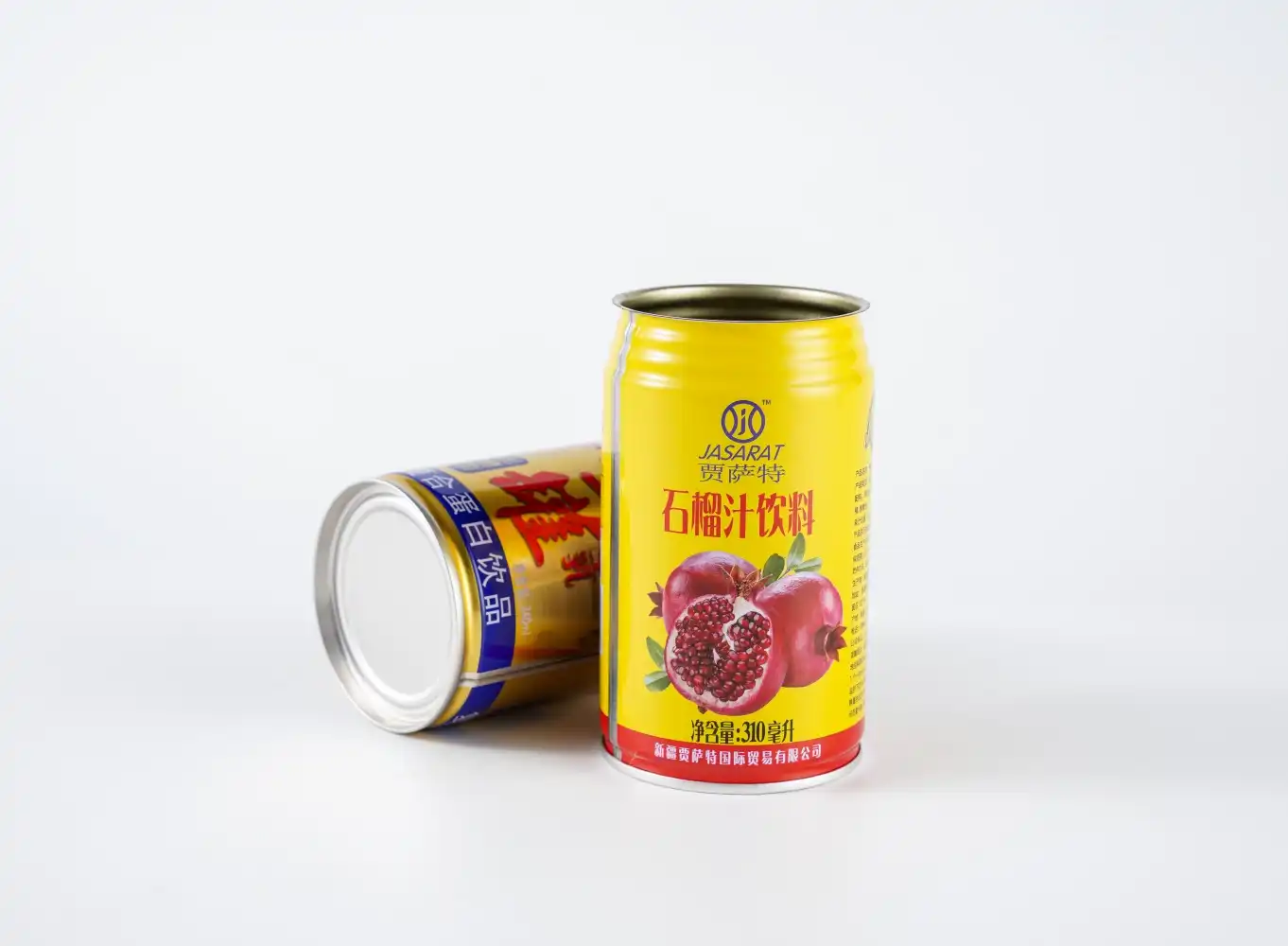
Three-piece cans represent a time-tested packaging solution that has served the beverage industry for decades. Unlike their two-piece counterparts, these cans consist of three distinct components: a cylindrical body, a top lid, and a bottom lid. The manufacturing process involves forming a flat metal sheet into a cylindrical shape, then joining the edges through welding, soldering, or adhesive bonding to create a secure seam. This construction method offers remarkable versatility in terms of size customization and shape variations, making 330 ml three-piece tinplate beverage cans ideal for diverse beverage applications from carbonated soft drinks to fruit juices and energy beverages. The body of a three-piece can is typically made from tinplate, which is steel coated with a thin layer of tin. This material choice provides excellent corrosion resistance, durability, and recyclability. The tinplate used in 330 ml three-piece tinplate beverage cans undergoes rigorous quality control to ensure consistent thickness and coating integrity. Advanced coating technologies, including BPA-free linings, protect the contents from contamination while maintaining flavor integrity. The bottom and top lids are attached using double-seaming technology, creating hermetic seals that preserve freshness and prevent leakage. This robust construction makes three-piece cans suitable for products requiring extended shelf life and reliable protection during transportation and storage.

Types of Three-Piece Cans Based on Seaming Technology
-
Welded Side Seam Cans
Welded side seam cans represent the most modern and widely accepted construction method for 330 ml three-piece tinplate beverage cans. The welding process involves creating a series of overlapping weld nuggets along the length of the body seam using alternating current supply and copper electrode wheels. This technique produces a completely lead-free seam with superior integrity compared to traditional soldering methods. The welded construction eliminates concerns about lead contamination, making these cans particularly suitable for food-grade beverages and products destined for markets with strict health and safety regulations. The welding process offers several technical advantages that benefit beverage manufacturers. The continuous welded seam creates a strong, leak-proof joint that can withstand the internal pressures generated by carbonated beverages. Modern welding equipment operates at high speeds, enabling efficient production volumes that meet the demands of large-scale beverage operations. The absence of flux or solder materials simplifies the manufacturing process and reduces potential quality issues. For producers of 330 ml three-piece tinplate beverage cans, welded construction provides the reliability and food safety assurance that consumers expect from premium beverage packaging.
-
Soldered Side Seam Cans
Although largely replaced by welding technology, soldered side seam cans still merit discussion due to their historical significance and continued use in specific applications. Traditional soldering used a lead-tin alloy composition to join the hooked edges of the can body. The process involved applying flux to the prepared edges, folding the blank over a mandrel to engage the hooks, and then flowing solder along the joint using heat. While effective, this method raised concerns about potential lead migration into beverage contents, particularly for acidic products. Modern soldering techniques have evolved to address these health concerns by utilizing lead-free solder compositions, including pure tin alternatives. However, the industry trend has decisively moved toward welded construction for beverage applications. For manufacturers considering 330 ml three-piece tinplate beverage cans, understanding this historical context helps appreciate the technological advancements that have improved product safety and manufacturing efficiency. The transition from soldered to welded cans represents the industry's commitment to consumer health and environmental responsibility.
-
Adhesive-Bonded Cans
Adhesive-bonded three-piece cans represent a newer joining technology that uses specialized adhesives instead of welding or soldering to create the body seam. This construction method offers unique advantages for specific applications where heat-based joining might compromise can coatings or decorative printing. The adhesive bonding process applies a carefully formulated polymer-based adhesive to the prepared seam edges, which then cures to create a strong, hermetic seal. This technology has gained traction in specialty packaging applications where maintaining pristine exterior decoration is paramount. For 330 ml three-piece tinplate beverage cans, adhesive bonding presents both opportunities and considerations. The process allows for more flexibility in decoration timing, as printing can be applied before or after can formation without concern for heat-induced damage. The adhesive creates a flexible joint that can accommodate thermal expansion and contraction during product processing and storage. However, adhesive-bonded cans require careful selection of adhesive chemistry to ensure compatibility with can coatings and beverage contents. Manufacturers must verify that the adhesive system provides adequate seam strength and maintains integrity throughout the product's intended shelf life under various environmental conditions.
Functional Applications of Different Three-Piece Can Types
-
Beverage Industry Applications
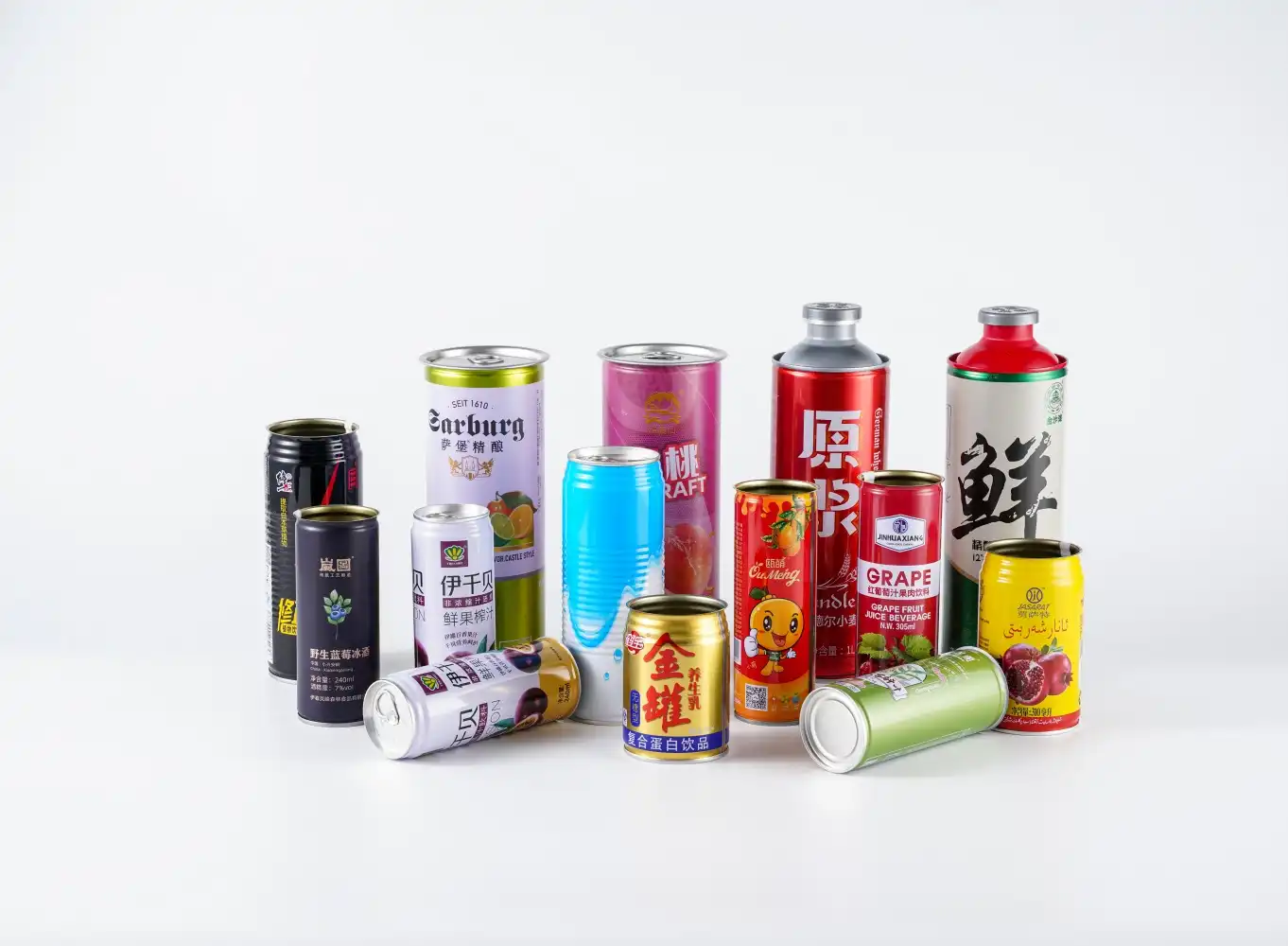
The beverage industry represents the largest market segment for 330 ml three-piece tinplate beverage cans, with applications spanning carbonated soft drinks, energy beverages, craft beers, ready-to-drink teas, and premium fruit juices. Each beverage category presents unique packaging requirements that influence can type selection. Carbonated beverages require cans with superior pressure resistance to contain the internal forces generated by dissolved carbon dioxide. The welded construction of modern three-piece cans provides the structural integrity needed to safely contain pressurized products while preventing leakage or deformation. Craft beverage producers particularly appreciate the versatility of 330 ml three-piece tinplate beverage cans for creating distinctive packaging that communicates brand identity. The cylindrical body provides an excellent canvas for full-color offset printing, allowing breweries and beverage companies to showcase elaborate graphics, brand stories, and product information. The tinplate material accepts vibrant CMYK printing that maintains color fidelity throughout the product lifecycle. Additionally, the robust construction protects light-sensitive beverages from UV degradation, preserving flavor profiles and nutritional content. For premium juice products and specialty drinks, the food-grade internal coatings ensure that no metallic flavors contaminate the beverage, maintaining the authentic taste that consumers expect.
-
Industrial and Chemical Product Packaging
Beyond beverages, three-piece cans serve critical functions in industrial applications, particularly for packaging paints, coatings, adhesives, and specialty chemicals. The durability and chemical resistance of tinplate construction make these cans ideal for containing aggressive formulations that might degrade alternative packaging materials. The robust seaming technology creates a secure closure that prevents leaks and protects contents from moisture, air, and contaminants during extended storage periods. Industrial users value the stackability and handling efficiency of three-piece cans, which facilitate warehouse management and distribution logistics. The versatility of three-piece can design allows manufacturers to accommodate varying viscosities and product densities. For thicker products like paints and adhesives, larger opening diameters can be incorporated to facilitate easy dispensing and application. The tinplate construction withstands the physical demands of industrial environments, including rough handling and temperature variations. While 330 ml three-piece tinplate beverage cans target the food and drink sector, the same manufacturing principles and quality standards apply to industrial packaging applications, demonstrating the technology's adaptability across diverse market segments.
Material Specifications and Quality Standards for 330 ml Three-Piece Tinplate Beverage Cans
-
Tinplate Material Properties and Performance Characteristics
The tinplate used in manufacturing 330 ml three-piece tinplate beverage cans consists of cold-rolled steel substrate coated with a thin layer of tin through an electroplating process. This composite material combines the strength and formability of steel with the corrosion resistance and soldability of tin. The steel base provides the structural integrity needed to withstand internal pressures and external impacts during handling and transportation. The tin coating, typically applied at weights ranging from 2.8 to 11.2 grams per square meter, creates a protective barrier that prevents rust formation and chemical reactions between the can material and beverage contents. Modern tinplate production employs sophisticated metallurgical processes to ensure consistent material properties across production runs. The steel substrate undergoes precise temper adjustments to achieve optimal formability for can manufacturing operations. Different temper grades, designated by standardized classification systems, are selected based on the forming severity required for specific can designs. For 330 ml three-piece tinplate beverage cans, manufacturers typically specify mid-range tempers that balance formability with strength. The tin coating application requires careful control of plating current density, bath chemistry, and substrate preparation to achieve uniform coverage and adequate adhesion. Quality assurance protocols verify coating weight, surface finish, and adhesion properties to ensure that finished cans meet stringent performance specifications.
-
Coating Systems and Food Safety Compliance
Interior and exterior coatings applied to 330 ml three-piece tinplate beverage cans serve multiple critical functions beyond basic corrosion protection. Internal coatings create a barrier between the tinplate substrate and beverage contents, preventing metal-beverage interactions that could affect taste, color, or nutritional quality. Modern food-grade coatings utilize advanced polymer chemistries, including epoxy-phenolic resins and polyester systems, formulated to provide excellent adhesion, flexibility, and chemical resistance. These coatings must withstand the thermal processing conditions associated with pasteurization or sterilization without degrading or releasing undesirable substances into the beverage. The transition to BPA-free coating formulations represents a significant advancement in beverage can technology, addressing consumer concerns about endocrine-disrupting chemicals. Leading manufacturers of 330 ml three-piece tinplate beverage cans have invested heavily in developing alternative coating systems that maintain performance while eliminating BPA. These new formulations undergo rigorous testing to verify food contact compliance according to regulations established by agencies including the FDA, EFSA, and similar regulatory bodies worldwide. External coatings and varnishes protect decorative printing from abrasion and moisture damage while providing additional corrosion protection. The multilayer coating architecture typically includes a base coat for adhesion and corrosion resistance, printing inks for decoration, and a topcoat or overprint varnish for protection and gloss enhancement.
Manufacturing Excellence and Quality Assurance at Shandong Three Iron-Printing & Tin-Making Co.,Ltd
-
Advanced Production Capabilities and Technical Infrastructure
Shandong Three Iron-Printing & Tin-Making Co.,Ltd operates state-of-the-art production facilities specifically designed for manufacturing premium 330 ml three-piece tinplate beverage cans. The company's manufacturing complex, strategically located in Linyi Economic and Technological Development Zone, features imported equipment from leading international suppliers including German printing lines, Japanese precision machinery, Fuji printing systems, and Swiss Soudronic high-speed production lines. This diverse equipment portfolio enables flexible production scheduling and the ability to accommodate both large-volume standard runs and smaller custom orders with specialized requirements. The manufacturing process flow at Shandong Three follows industry best practices for three-piece can production, beginning with precision shearing of tinplate coils into body blanks of exact dimensions. Advanced body-making equipment forms these blanks into cylinders and creates the welded side seam with consistent quality. Internal coating application utilizes spray or roller coating technology with precise control of coating weight and coverage, followed by controlled curing in specialized ovens. External decoration employs high-resolution offset printing capable of reproducing complex graphics with excellent registration and color fidelity. Subsequent operations including necking, flanging, and end attachment utilize precision tooling to achieve the tight tolerances required for proper can performance and seaming integrity.
-
Comprehensive Quality Control and Certification Programs
Quality assurance represents a core competency at Shandong Three Iron-Printing & Tin-Making Co.,Ltd, with dedicated inspection protocols implemented at every production stage. The quality control team performs incoming material inspections to verify that tinplate, coating materials, and components meet established specifications before entering production. In-process monitoring checks critical parameters including seam welding quality, coating thickness and cure, printing registration and color accuracy, and dimensional conformance. Finished can inspections evaluate seaming integrity through double-seam teardown analysis, pressure testing for leak detection, and coating adhesion and cure verification. The company maintains comprehensive certifications demonstrating commitment to quality and food safety, including ISO 9001 quality management system certification, ISO 14001 environmental management system compliance, and specialized food contact material approvals. These certifications require regular third-party audits and continuous improvement initiatives to maintain compliance. For customers specifying 330 ml three-piece tinplate beverage cans, these certifications provide confidence that products consistently meet international standards for beverage packaging. The quality management system encompasses documented procedures for process control, nonconforming product handling, corrective action implementation, and ongoing employee training to ensure that all personnel understand their roles in maintaining product quality.
Conclusion
Selecting the appropriate three-piece can type requires careful consideration of your specific beverage product characteristics, production volume requirements, and brand positioning strategy. The versatility of 330 ml three-piece tinplate beverage cans makes them suitable for diverse applications from craft beverages to industrial products, with welded, soldered, and adhesive-bonded construction options each offering distinct advantages.
Cooperate with Shandong Three Iron-Printing & Tin-Making Co.,Ltd.
As a leading China 330 ml three-piece tinplate beverage cans manufacturer and China 330 ml three-piece tinplate beverage cans supplier, Shandong Three Iron-Printing & Tin-Making Co.,Ltd offers comprehensive packaging solutions backed by advanced manufacturing capabilities and rigorous quality assurance. Our facility spans over 270,000 square meters with 300+ dedicated employees and 65 specialized technical professionals. We operate imported production lines including 8 Swiss Soudronic high-speed systems and Italian BMV equipment, producing 50,000 tons annually of printing iron, 600 million cans, and 2 billion easy-pull covers. Our High Quality 330 ml three-piece tinplate beverage cans for sale feature customizable CMYK printing, food-grade coatings, and complete ISO certifications. Whether you need China 330 ml three-piece tinplate beverage cans wholesale or custom solutions, our competitive 330 ml three-piece tinplate beverage cans price and responsive service ensure your success. As your trusted China 330 ml three-piece tinplate beverage cans factory, we export to USA, Germany, Poland, Russia, Vietnam, Indonesia, Thailand, Mongolia, and Cambodia. Contact us at info@threefoodcan.com to discuss your packaging requirements and discover how our expertise can elevate your brand. Save this article for reference when planning your next beverage packaging project.
References
1. Smith, J.R. & Thompson, M.K. "Metal Packaging Technology for Beverage Applications." Society of Manufacturing Engineers, 2023.
2. Chen, L. & Wagner, P. "Three-Piece Can Construction Methods: Comparative Analysis of Welding, Soldering and Adhesive Bonding." International Journal of Packaging Science & Technology, Vol. 18, No. 3, 2024.
3. Rodriguez, A.M. "Food Safety and Coating Technologies in Metal Beverage Containers." Food Packaging Research Institute, 2024.
4. European Metal Packaging Association. "Technical Guidelines for Three-Piece Tinplate Container Manufacturing." Industry Standards Publication, 2023.
YOU MAY LIKE