

Sardines Metal Can Sustainability: Cans vs Flexible Pouches
2025-12-24
As seafood processors and distributors face mounting pressure to balance product quality with environmental responsibility, the packaging debate between traditional Sardines Metal Can solutions and emerging flexible pouches has never been more critical. Whether you're struggling with rising transportation costs, dealing with storage space limitations, or navigating increasingly stringent sustainability regulations, understanding the true environmental and operational impact of your packaging choice can mean the difference between competitive advantage and falling behind market demands.
The Environmental Reality of Sardines Metal Can Packaging
When evaluating packaging sustainability, the conversation often focuses narrowly on recyclability rates while overlooking the complete environmental footprint. The Sardines Metal Can has long been considered the gold standard for seafood preservation, and recent data supports its environmental credentials in ways that extend far beyond simple recycling statistics. Metal cans demonstrate infinite recyclability, meaning aluminum and steel maintain their structural integrity through unlimited recycling cycles without material degradation. Approximately 75 percent of all aluminum ever produced remains in circulation today, a testament to the circular economy potential of Sardines Metal Can packaging. The beverage and food can industry recycles nearly 46 billion cans annually in the United States alone, creating established waste stream infrastructure that functions efficiently at scale. From a carbon footprint perspective during production, manufacturing a beverage can from recycled aluminum reduces energy consumption and greenhouse gas emissions by 95 percent compared to virgin aluminum production. For food cans made from recycled steel, the reduction reaches 78 percent in both greenhouse gas emissions and energy use. These dramatic reductions occur because the recycling process requires significantly less energy than extracting and refining raw materials. The hermetic sealing properties of Sardines Metal Can packaging provide unparalleled barrier protection against oxygen, light, and moisture, ensuring extended shelf life that reduces food waste throughout the supply chain. This protective capability becomes particularly valuable for sardines and other seafood products that require long-term preservation without refrigeration, especially during international shipping and distribution.
Carbon Footprint Analysis Through the Complete Product Lifecycle
The carbon footprint discussion demands examination beyond manufacturing to include transportation, storage, and end-of-life scenarios. While Sardines Metal Can packaging weighs more than flexible alternatives, this weight disadvantage must be balanced against the complete lifecycle impact. Metal cans provide superior protection during shipping, reducing product damage and spoilage rates that would otherwise contribute to wasted resources. The stackable design of metal cans optimizes warehouse space utilization and shipping container efficiency, partially offsetting the weight-related transportation emissions. Recent comparative studies reveal that when factoring in the entire product lifecycle including recycling rates, metal cans maintain competitive environmental performance. The economic value of recycled metal creates strong market incentives for collection and processing infrastructure. Aluminum beverage cans typically represent the most valuable material in residential recycling streams, generating revenue for municipalities and recycling facilities. This economic driver ensures sustained investment in collection systems, maintaining high recycling rates that translate to real environmental benefits. The established recycling infrastructure for Sardines Metal Can products operates efficiently across diverse geographic regions, unlike newer flexible packaging technologies that struggle with inconsistent collection and processing capabilities.
Flexible Pouches: Innovation Meets Implementation Challenges
Flexible packaging technology has advanced dramatically over recent decades, offering manufacturers new options for seafood products traditionally dominated by Sardines Metal Can solutions. These pouches utilize multi-layer film structures combining plastics, papers, and metallized coatings to create lightweight, customizable packaging. The material composition allows for sophisticated printing techniques and eye-catching designs that enhance retail shelf appeal. Flexible pouches consume approximately 75 percent less energy during production compared to metal cans, according to industry associations, presenting a compelling case for manufacturing efficiency. The packaging weight advantage of flexible pouches significantly impacts transportation costs and fuel consumption. A case of pouches uses roughly 30 percent less volume than equivalent metal cans containing the same product quantity. For sardine products shipped internationally, this weight and volume reduction translates directly to lower freight costs and reduced carbon emissions during transportation. The product-to-packaging weight ratio for flexible pouches can reach 108:1 compared to 10:1 for metal cans, meaning substantially less packaging material per unit of food product. This efficiency benefits both manufacturers managing storage space and distributors optimizing logistics operations.
The Recycling Infrastructure Gap
Despite the production and transportation advantages of flexible pouches, their end-of-life management presents serious sustainability challenges that cannot be overlooked. Plastic components in flexible packaging face extremely low recycling rates, with residential recycling programs rarely accepting these materials. Industry data indicates that only 2 percent of flexible pouches enter recycling streams, compared to 56-58 percent recovery rates for metal packaging. This vast disparity stems from both consumer confusion about recyclability and lack of processing infrastructure capable of handling multi-layer flexible materials economically. The plastic in flexible pouches can theoretically be recycled a maximum of ten times with approximately one-third of material lost in each recycling process, contrasting sharply with the infinite recyclability of Sardines Metal Can materials. When flexible pouches fail to enter recycling systems, they contribute to landfill waste or environmental pollution. Single-use plastics have become particularly problematic in marine environments, where their durability transforms from a product protection advantage to an environmental liability. While recyclable pouch technologies continue to develop, the gap between theoretical recyclability and practical recycling infrastructure remains substantial.
Sardines Metal Can Performance in Real-World Applications
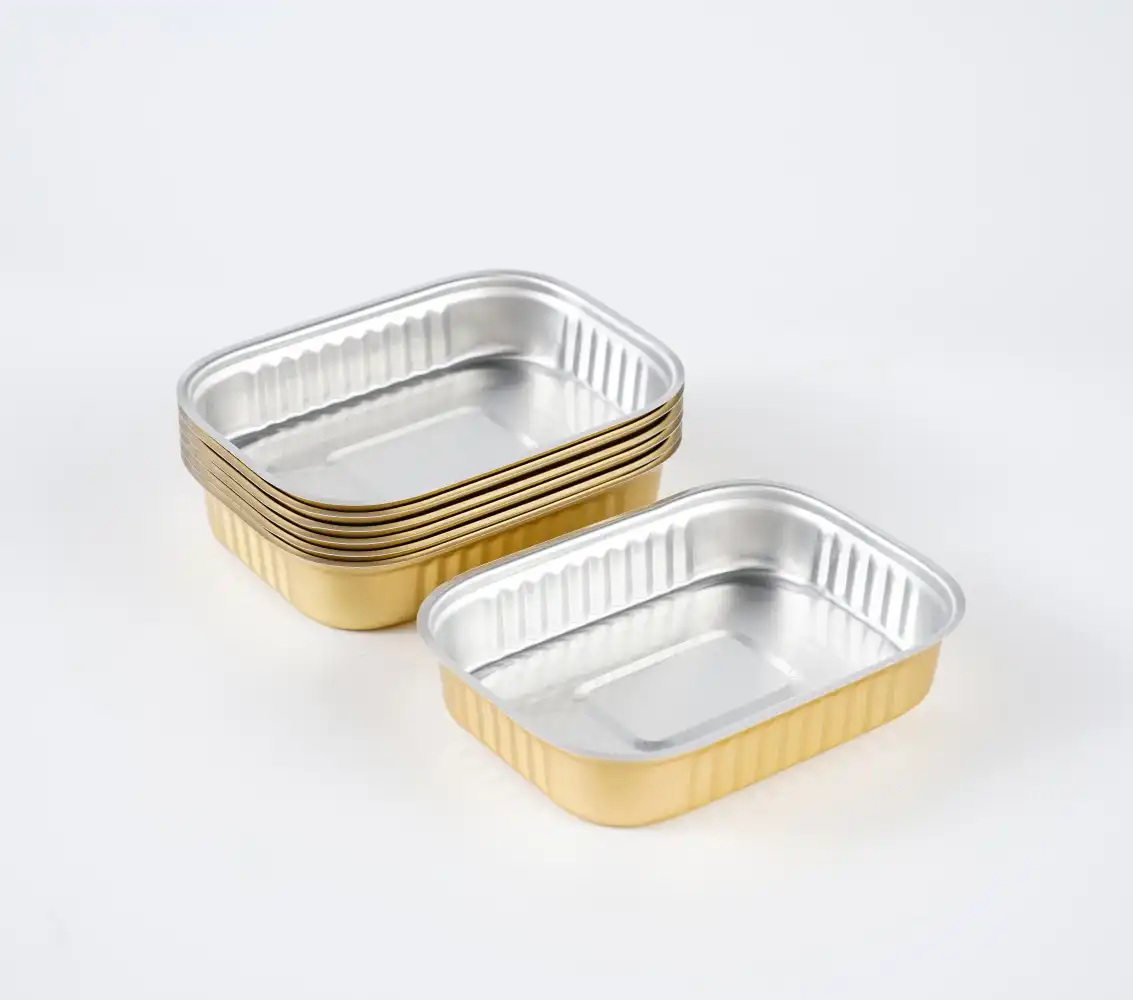
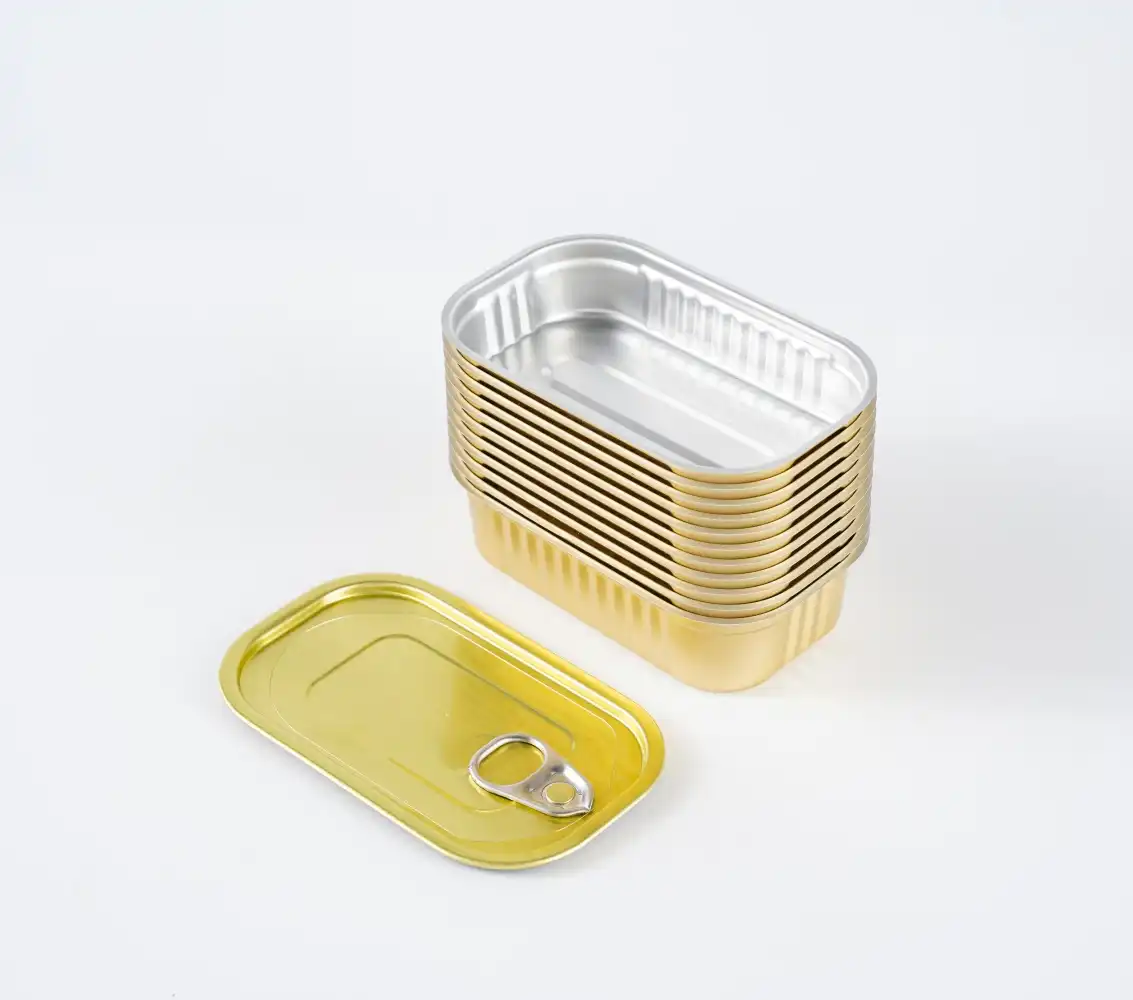
The seafood industry's continued reliance on Sardines Metal Can packaging reflects practical performance advantages that extend beyond sustainability metrics. Metal cans withstand the high processing temperatures necessary for commercial sterilization methods, ensuring food safety through proven thermal processing techniques. The rigid structure protects product integrity during handling, stacking, and transportation across complex global supply chains. For sardines packaged in oil, sauce, or brine, metal cans prevent leakage and maintain product quality throughout extended shelf life periods. At Shandong Three Iron-Printing & Tin-Making Co., Ltd., our Sardines Metal Can solutions incorporate advanced manufacturing technologies to optimize both performance and sustainability. Our custom design food-grade empty sardine metal cans feature #311 easy open ends lids manufactured from TFS material with precise dimensions of 104.8×75.8×22mm. The conical shape design enhances stackability while the CMYK offset printing capability allows for vibrant, customizable branding that captures consumer attention. These specifications reflect decades of industry evolution focused on balancing functionality with marketing appeal.
Material Selection and Quality Standards
The choice between tinplate and aluminum for Sardines Metal Can production involves careful consideration of performance characteristics and environmental factors. Both materials offer excellent corrosion resistance essential for seafood packaging, but aluminum provides superior lightweight properties that reduce transportation emissions. Aluminum demonstrates greater environmental friendliness through enhanced recyclability and lower carbon footprint during recycling processes. Our food-grade epoxy coating systems protect can integrity while ensuring compliance with international food safety standards including ISO 9001, ISO 14001, SGS, BPA, and CE certifications. The double-seamed sealing technology employed in our Sardines Metal Can products creates hermetic seals that preserve freshness and prevent contamination throughout the supply chain. This sealing method has proven reliability over more than a century of commercial use, providing confidence for manufacturers, distributors, and consumers. The easy-open lid options enhance consumer convenience without compromising seal integrity during storage and transportation. These design elements reflect continuous innovation within the metal can industry to address evolving market demands while maintaining the fundamental protective qualities that make Sardines Metal Can packaging indispensable for seafood products.
Balancing Sustainability with Operational Excellence
Seafood processors evaluating packaging options must weigh multiple factors beyond simple environmental scorecards. The Sardines Metal Can offers proven shelf life extension that reduces food waste, a critical sustainability consideration often underestimated in packaging discussions. Extending product shelf life by even small margins can dramatically reduce spoilage throughout distribution channels, offsetting transportation-related emissions through decreased waste. The established global infrastructure for metal can manufacturing, distribution, and recycling provides supply chain reliability that newer packaging technologies cannot yet match. From a business perspective, the premium positioning associated with Sardines Metal Can packaging influences consumer purchasing decisions and brand perception. Metal cans convey quality, safety, and tradition that resonate with consumers seeking authentic seafood experiences. The rigid structure enables efficient warehouse management and retail display, practical considerations that impact operational costs. While flexible pouches offer certain advantages in weight and production energy, they introduce challenges in handling, display, and consumer perception that manufacturers must carefully evaluate against their specific market positioning and distribution requirements.
Cost Considerations Across the Supply Chain
Initial packaging costs represent only one component of total cost analysis. Sardines Metal Can solutions may carry higher upfront material costs compared to flexible pouches, but this must be evaluated against reduced product loss, simplified handling procedures, and established recycling revenue streams. Transportation cost differences depend heavily on shipping distances, volume requirements, and fuel price dynamics. For operations with significant warehouse constraints, the space efficiency of flexible pouches becomes particularly valuable despite other tradeoffs. Our manufacturing capabilities at Shandong Three Iron-Printing & Tin-Making Co., Ltd. enable large-scale production with annual output exceeding 50,000 tons of printing iron, 600 million cans, and 2 billion easy-pull covers. This production capacity, supported by imported equipment from Germany, Japan, Taiwan, Switzerland, and Italy, ensures competitive pricing for customers requiring substantial volume orders. Our financial stability and large inventory capabilities allow us to support customer needs with reliable supply continuity, minimizing disruption risks that could impact their operations. The combination of advanced manufacturing technology and experienced technical personnel delivers consistent quality that meets international standards for Sardines Metal Can applications.
Future Directions in Sustainable Seafood Packaging
The packaging industry continues evolving with innovations aimed at improving both environmental performance and functional capabilities. Lightweighting initiatives in metal can manufacturing reduce material usage without compromising structural integrity or protective qualities. These efforts lower both production costs and transportation emissions while maintaining the recyclability advantages of Sardines Metal Can solutions. Advanced coating technologies enhance corrosion resistance and eliminate concerns about metal interaction with food products, addressing health considerations while extending product shelf life. Hybrid packaging concepts attempt to combine the protective qualities of rigid containers with the material efficiency of flexible structures. These innovations recognize that no single packaging format perfectly addresses all sustainability, performance, and cost considerations. The seafood industry specifically requires packaging solutions that balance preservation effectiveness with environmental responsibility while meeting diverse market requirements across different geographic regions and distribution channels. Sardines Metal Can technology continues advancing to incorporate sustainability improvements while maintaining the fundamental advantages that have made metal packaging the industry standard for more than a century.
Emerging Technologies and Industry Collaboration
Research into improved recycling processes for both metal and flexible packaging materials promises enhanced circularity for all packaging formats. Chemical recycling technologies may eventually enable more effective processing of multi-layer flexible materials currently challenging to recycle through mechanical methods. For Sardines Metal Can products, innovations in sorting and processing technology continue improving recovery rates and reducing contamination in recycled material streams. These technological advances require sustained investment and collaboration across the packaging value chain, from material suppliers through converters, brand owners, recyclers, and policy makers. Industry-wide collaboration on standardization and consumer education represents another critical frontier for improving packaging sustainability. Clear, consistent labeling about recyclability helps consumers make informed disposal decisions that increase recovery rates for all packaging types. Collection infrastructure improvements expand access to recycling programs, particularly in regions currently lacking comprehensive systems. For Sardines Metal Can solutions, leveraging existing infrastructure advantages while supporting expanded collection for complementary packaging formats creates a more sustainable overall packaging system that benefits the entire seafood industry.
Conclusion
Sardines Metal Can packaging demonstrates compelling sustainability advantages through infinite recyclability, established infrastructure, and superior protective qualities that reduce food waste across supply chains.
Cooperate with Shandong Three Iron-Printing & Tin-Making Co.,Ltd.
Partner with a China Sardines Metal Can manufacturer that delivers excellence across every dimension of packaging solutions. As a leading China Sardines Metal Can supplier and China Sardines Metal Can factory, Shandong Three Iron-Printing & Tin-Making Co., Ltd. operates from our 270,000 square meter facility in Linyi Economic and Technological Development Zone, employing over 300 skilled professionals including 65 specialized technical personnel. Our imported production lines from Germany, Japan, Taiwan, Switzerland, and Italy enable annual capacity of 50,000 tons of printing iron, 600 million cans, and 2 billion easy-pull covers, ensuring reliable supply for large-scale orders. With ISO9001:2008, ISO14001:2004, SGS, BPA, and CE certifications, our High Quality Sardines Metal Can products are exported worldwide to USA, Germany, Poland, Russia, Vietnam, Indonesia, Thailand, Mongolia, and Cambodia. Our mature R&D team drives continuous innovation while strong financial backing guarantees production stability and ample inventory. We offer competitive Sardines Metal Can prices, China Sardines Metal Can wholesale options, and Sardines Metal Can for sale with OEM support, fast delivery, and strict packaging standards. Our seamless construction prevents leaks, customizable exteriors amplify brand messaging, recyclable materials appeal to eco-conscious consumers, and stackable designs optimize storage and transportation. Experience the advantages of working with an experienced, certified, and globally recognized partner. Contact us at info@threefoodcan.com to discuss your requirements and request samples—bookmark this resource for future reference as you evaluate packaging solutions that elevate your brand while supporting sustainability goals.
References
1. Can Manufacturers Institute. "Sustainability Advantages of Metal Food and Beverage Cans." Can Central Industry Report, 2025.
2. Flexible Packaging Association. "Comparative Environmental Analysis of Packaging Formats for Food Applications." Industry Research Publication, 2023.
3. Institute for Energy and Environmental Research (ifeu). "Life Cycle Assessment Study: Comparing Carbon Footprints of Flexible Pouches, Glass Jars, and Steel Cans." Environmental Research Report, 2021.
4. PMMI Association for Packaging and Processing Technologies. "Growth Trends in Food Packaging Formats: Analysis of Rigid and Flexible Packaging Segments." Market Research Study, 2022.
5. American Iron & Steel Institute. "Recycling Rates and Environmental Impact Assessment for Steel Food Containers." Materials Sustainability Report, 2024.
YOU MAY LIKE