

OEM Tin Plate Sheet Metal Suppliers: What to Look For
2026-07-09
Sourcing tin plate sheet metal https://www.threefoodcan.com/tinplate-sheets/tin-plate-steelsfor your manufacturing operations can be challenging when quality, reliability, and competitive pricing are all critical factors. Many businesses struggle with finding suppliers who can deliver consistent product specifications while meeting demanding production schedules. Whether you're in food packaging, automotive manufacturing, or industrial applications, choosing the right OEM tin plate sheet metal supplier impacts your bottom line, product quality, and customer satisfaction. This comprehensive guide examines the essential criteria that distinguish exceptional suppliers from average ones, helping you make informed decisions that protect your investment and ensure long-term success in your supply chain operations.
Understanding Tin Plate Sheet Metal Quality Standards
Quality standards serve as the foundation for evaluating any tin plate sheet metal supplier. The material consists of low-carbon steel coated with tin through electrodeposition, creating a corrosion-resistant surface suitable for diverse applications. When assessing suppliers, examine their adherence to international standards such as ASTM A623, A624, A625, and A626. These specifications define critical parameters including coating weight, base metal composition, and mechanical properties that directly affect product performance. Premium tin plate sheet metal demonstrates consistent coating distribution across the entire surface, typically ranging from 2.8 to 11.2 grams per square meter on each side. The coating must be uniform without gaps, blisters, or thin spots that could compromise corrosion resistance. Base metal quality matters equally, with low-carbon steel providing the necessary formability and strength. Temper grades from T1 through T5 offer varying hardness levels to match specific forming requirements, while DR8 and DR9 grades provide enhanced deep-drawing capabilities for complex shapes.
Material Testing and Certification Requirements
Reliable suppliers maintain comprehensive testing laboratories equipped to verify every batch meets specified requirements. Essential tests include coating weight measurement using electrochemical stripping methods, surface finish evaluation through microscopic examination, and mechanical property verification including tensile strength, elongation, and hardness testing. Suppliers should provide mill test certificates documenting these results, along with material traceability that links finished products back to original steel coils. Certification from recognized bodies provides additional assurance of supplier competence. ISO 9001:2015 certification demonstrates commitment to quality management systems, while ISO 14001:2015 indicates environmental responsibility. For food-contact applications, FDA compliance and BPA-free certifications are non-negotiable requirements. SGS certification and CE marking further validate that tin plate sheet metal meets international safety and performance standards.
Production Capacity and Technical Capabilities
Production capacity determines whether suppliers can meet your volume requirements consistently without quality compromises. Evaluate their manufacturing infrastructure, including the number and sophistication of production lines. Advanced facilities utilize imported equipment from established manufacturers in Germany, Japan, and Switzerland, which typically delivers superior precision and efficiency compared to older or domestically-produced machinery. Modern coating lines achieve tighter tolerances, better coating uniformity, and higher throughput rates. Technical capabilities extend beyond basic production to include specialized processes that enhance product functionality. Sophisticated suppliers offer customizable coating weights to optimize cost-performance ratios for specific applications. They can adjust temper grades through controlled heat treatment, modify surface finishes from bright to matte depending on aesthetic requirements, and provide precision slitting to exact width specifications. Thickness tolerances within ±0.01mm demonstrate manufacturing precision that ensures consistent performance in automated forming operations.
Equipment and Technology Infrastructure
State-of-the-art production facilities feature multiple processing stages that transform raw steel into finished tin plate sheet metal. The process begins with steel sheet preparation involving chemical cleaning to remove mill scale and contaminants. Electrolytic tin plating follows, where controlled current density deposits tin uniformly across the steel surface. The reflow process melts the tin coating briefly to create a tin-iron alloy layer that improves adhesion and solderability. Passivation treatment forms a protective chromate layer, while final oiling prevents oxidation during storage and transportation. Leading suppliers invest in automated quality control systems integrated throughout production lines. In-line coating weight monitors, surface defect detection cameras, and dimensional measurement systems catch deviations immediately, preventing defective material from reaching customers. This real-time monitoring capability significantly reduces waste and ensures every sheet meets specifications before leaving the facility.
Supply Chain Reliability and Inventory Management
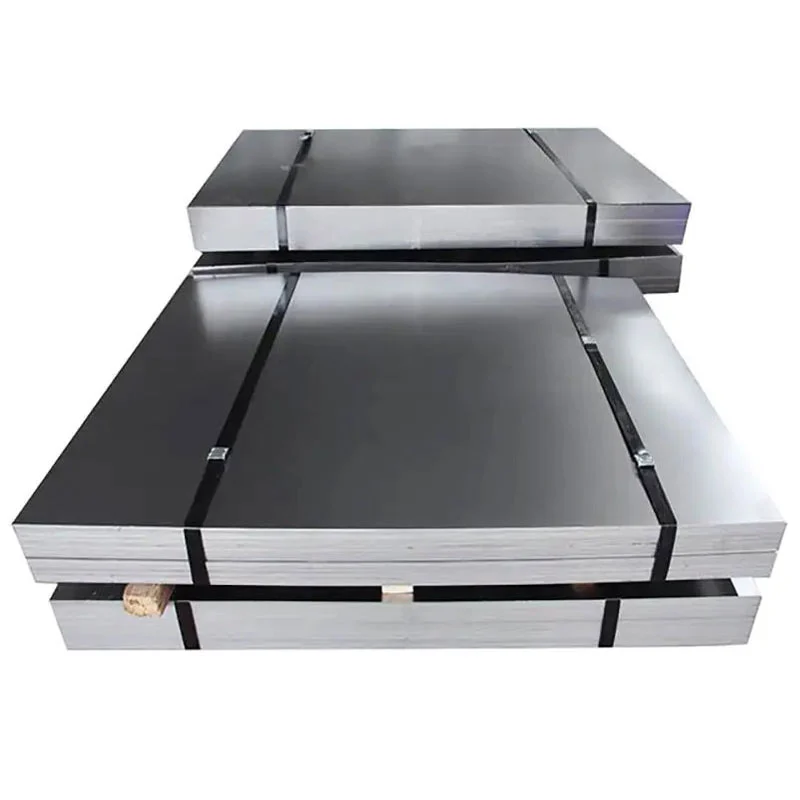
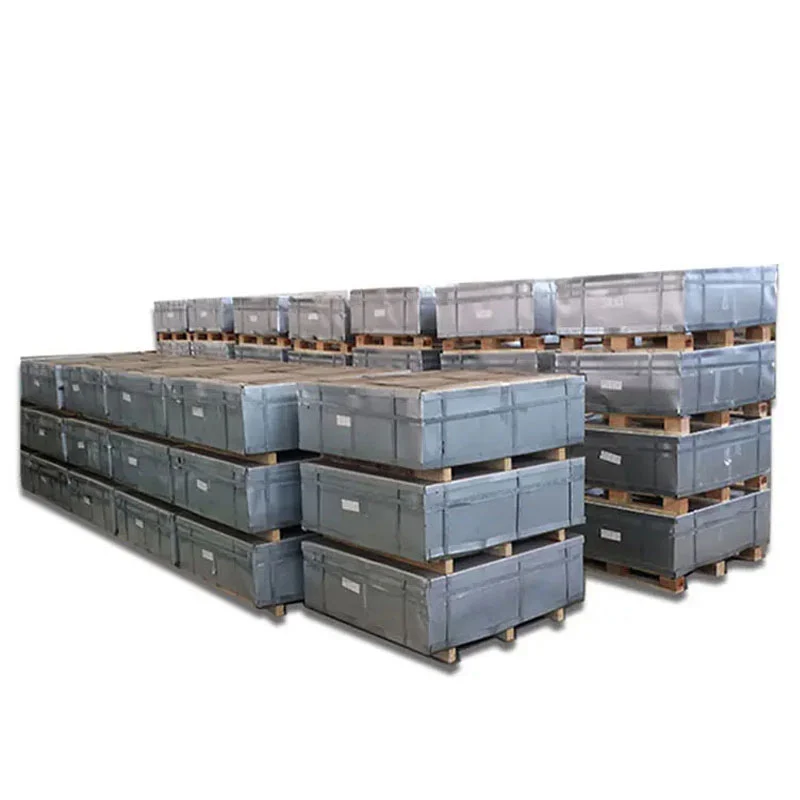
Supply chain reliability separates professional suppliers from unreliable vendors. Consistent on-time delivery protects your production schedules from costly disruptions. Evaluate suppliers' inventory management systems and their ability to maintain strategic stock levels of common specifications. Suppliers with large, well-organized warehouses can fulfill orders quickly without lengthy lead times, providing flexibility when market demands shift unexpectedly. Geographic location influences delivery times and transportation costs significantly. Suppliers located near major ports or transportation hubs typically offer competitive shipping rates and faster transit times. Their established relationships with freight forwarers and logistics companies ensure efficient handling of both small sample orders and large-volume shipments. Packaging quality matters too, with proper moisture-barrier wrapping, sturdy crating, and secure load stabilization preventing damage during transit.
Order Fulfillment and Customization Services
Professional tin plate sheet metal suppliers offer flexible order fulfillment tailored to customer requirements. Minimum order quantities should align with your consumption patterns, whether you need full container loads or smaller quantities for testing and development. Customization services including precision cutting to length, edge conditioning, and surface treatments add value by reducing your secondary processing requirements. Fast delivery times depend on efficient production planning and inventory turnover. Superior suppliers maintain computerized inventory systems that track material availability in real-time, enabling accurate delivery commitments. They schedule production runs strategically to balance efficiency with responsiveness, ensuring standard specifications remain in stock while accommodating special requests without excessive delays. Typical delivery windows range from 10 to 15 days for standard orders, with expedited options available for urgent requirements.
Research and Development Support
R&D capabilities distinguish innovative suppliers from commodity vendors. Advanced suppliers employ technical teams with metallurgical expertise who understand how material properties affect downstream processing and end-product performance. They collaborate with customers to solve application challenges, recommend optimal specifications, and develop customized solutions for unique requirements. This technical support proves invaluable when troubleshooting forming problems, addressing coating defects, or improving production efficiency. Continuous innovation in coating technologies, alloy development, and surface treatments keeps progressive suppliers at the industry forefront. They invest in research facilities where new formulations undergo rigorous testing before commercialization. Their willingness to provide technical data sheets, application guides, and processing recommendations demonstrates commitment to customer success beyond simply selling material. Some suppliers even offer on-site technical assistance to help optimize your forming operations and resolve quality issues.
Testing and Sample Services
Reputable suppliers facilitate thorough material evaluation before committing to large purchases. They provide sample quantities at reasonable costs or sometimes complimentary for qualified projects, enabling comprehensive testing in your actual production environment. This pre-qualification process reveals potential incompatibilities early, preventing costly surprises after significant inventory investments. Sample testing should evaluate all critical characteristics relevant to your application. Formability testing through cup drawing or bending trials confirms the material can achieve required shapes without cracking or thinning excessively. Coating adhesion tests using tape pull or cross-hatch methods verify the tin layer bonds adequately to withstand forming stresses. Corrosion resistance evaluation through salt spray testing or exposure to aggressive environments demonstrates long-term durability under service conditions.
Financial Stability and Business Credentials
Financial stability indicates whether suppliers can maintain operations consistently and invest in quality improvements. Established companies with proven track records demonstrate lower business risk compared to startup operations with uncertain futures. Research potential suppliers' company history, ownership structure, and market reputation through industry associations, trade references, and online reviews. Companies operating for decades with growing customer bases typically offer more reliability than recently-established vendors with limited operating history. Business credentials provide additional verification of supplier legitimacy. Registered companies should provide valid business licenses, tax registration certificates, and export documentation proving legal operation. International suppliers require proper import-export licenses and customs broker relationships ensuring smooth cross-border transactions. Trade show participation and industry association memberships indicate active engagement with the professional community and commitment to maintaining industry relationships.
Pricing Structure and Payment Terms
Competitive pricing balances cost considerations against quality and service value. Extremely low prices often signal inferior material quality, inadequate testing, or unsustainable business practices that threaten long-term supplier viability. Request detailed quotations breaking down base material costs, coating charges, processing fees, and freight expenses. This transparency enables accurate cost comparisons and identifies hidden charges that inflate total delivered costs. Payment terms reflect supplier confidence and customer relationship approaches. Standard terms typically include Letters of Credit for initial transactions, transitioning to telegraphic transfer for established relationships. Flexible suppliers may offer extended payment periods for qualified customers with proven payment histories. Volume discounts reward larger commitments while maintaining profitable margins for suppliers. Clear pricing agreements should specify currency denomination, price validity periods, and adjustment mechanisms for raw material cost fluctuations.
Conclusion
Selecting the right OEM tin plate sheet metal supplier requires careful evaluation of quality standards, production capabilities, supply chain reliability, technical support, and business credentials to ensure long-term success.
Cooperate with Shandong Three Iron-Printing & Tin-Making Co.,Ltd.
As a leading China tin plate sheet metal manufacturer and China tin plate sheet metal supplier, Shandong Three Iron-Printing & Tin-Making Co.,Ltd. stands ready to meet your requirements. Located in Linyi Economic and Technological Development Zone with over 270,000 square meters of production facilities, we operate advanced equipment from Germany, Japan, Taiwan, and Switzerland. Our China tin plate sheet metal factory produces 50,000 tons annually, supported by ISO9001:2008, ISO14001:2004, SGS, BPA, and CE certifications. With products successfully exported to USA, Germany, Poland, Russia, Vietnam, Indonesia, Thailand, Mongolia, and Cambodia, we offer competitive tin plate sheet metal for sale at exceptional tin plate sheet metal price points. Our High Quality tin plate sheet metal features seamless construction, customizable exteriors, recyclable materials, and stackable designs. Contact us today at info@threefoodcan.com for China tin plate sheet metal wholesale solutions that elevate your production capabilities.
References
1. "Steel Products Manual: Tin Mill Products" - Association for Iron & Steel Technology (AIST), Technical Committee on Tin Mill Products
2. "Guide to Modern Tinplate Production" - International Tin Association, Materials and Applications Department
3. "Quality Control in Tin Coating Processes" - American Society for Testing and Materials (ASTM), Committee E01 on Analytical Chemistry for Metals
4. "Supplier Selection Criteria for Manufacturing Industries" - Institute for Supply Management (ISM), Research Committee
5. "Corrosion Protection through Metallic Coatings" - NACE International (National Association of Corrosion Engineers), Coatings and Linings Committee
YOU MAY LIKE