

How to Select High-Quality Aluminum Cans with Covers for Retail?
2026-06-30
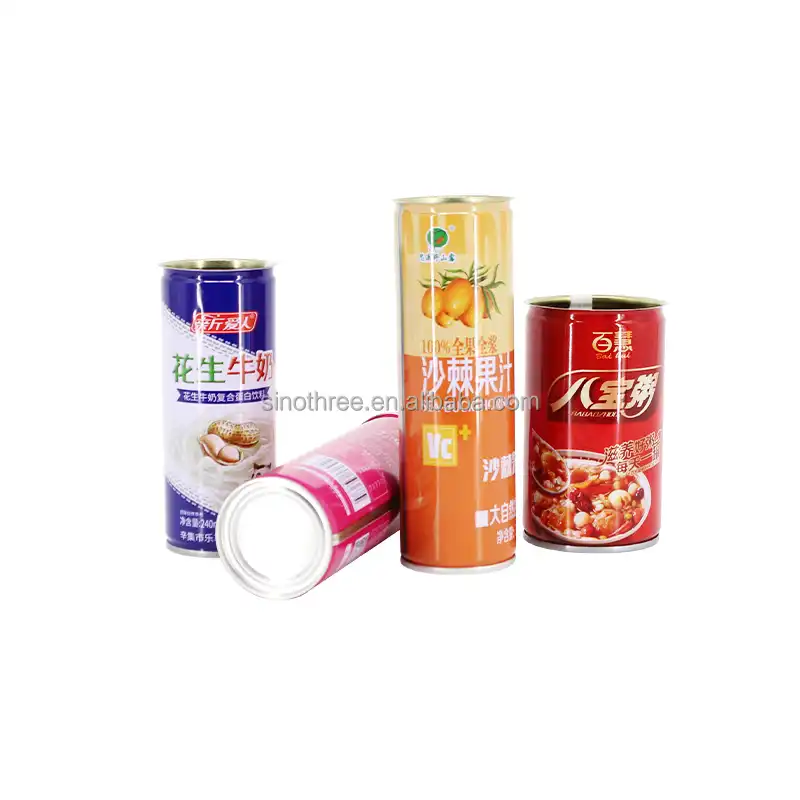
Selecting the right packaging can make or break your retail success, yet many business owners struggle with choosing containers that balance durability, cost-effectiveness, and visual appeal. When your products arrive damaged or your packaging fails to protect contents during transport, you lose both money and customer trust. High-quality Aluminum Cans with Covers https://www.threefoodcan.com/empty-beverage-can/330-ml-three-piece-tinplate-beverage-canssolve these critical challenges by offering superior protection, extended shelf life, and professional presentation that captures consumer attention while maintaining product integrity from warehouse to end consumer.
Understanding Material Quality and Construction Standards for Aluminum Cans with Covers
The foundation of reliable packaging begins with understanding material specifications and construction methods. Premium Aluminum Cans with Covers are manufactured from food-grade aluminum, typically ranging from 0.20mm to 0.25mm in thickness, which provides the optimal balance between structural integrity and weight efficiency. This thickness ensures containers can withstand stacking pressures during transportation and storage while remaining lightweight enough to minimize shipping costs. The aluminum material offers natural corrosion resistance, protecting contents from moisture and oxygen infiltration that can compromise product quality. Manufacturing processes significantly impact the final product quality. Two-piece construction, where the can body and bottom are formed from a single aluminum sheet, creates seamless containers without vulnerable joints where leaks might develop. The covers are manufactured separately using precision stamping equipment to ensure perfect dimensional consistency, allowing secure sealing every time. Leading manufacturers utilize advanced production lines from Germany, Japan, and Switzerland that maintain strict tolerances, ensuring each Aluminum Cans with Covers meets exact specifications for diameter, height, and threading compatibility. Interior and exterior coatings play crucial roles in protecting both the product and the container itself. BPA-free interior linings prevent chemical interaction between aluminum and contents, particularly important for acidic beverages or food products. These coatings also enhance product preservation by providing an additional barrier against flavor transfer and contamination. Exterior coatings protect the printed surface from scratches and abrasion while offering various finish options including glossy, matte, or tactile textures that enhance brand presentation and consumer handling experience.
Evaluating Sealing Performance and Cover Compatibility
Hermetic sealing capability represents one of the most critical quality indicators for Aluminum Cans with Covers. The cover design must create an airtight seal that prevents product spoilage, maintains carbonation in beverages, and extends shelf life significantly beyond alternatives like plastic containers. Look for covers with precision-engineered threading or snap-fit mechanisms that create consistent, reliable seals across thousands of units. Quality covers feature food-grade gasket materials that compress uniformly when sealed, eliminating microscopic gaps where air or contaminants might enter. Cover compatibility extends beyond simple dimensional matching. Different products require specific cover styles based on dispensing needs, storage conditions, and consumer convenience expectations. Easy-open ends suit single-serving beverages where consumers expect quick access, while screw-top covers work better for products requiring resealing between uses. The cover material should match the can body in terms of durability and chemical resistance, with options including aluminum, tinplate, or specialized polymer compounds. Premium suppliers offer covers in multiple colors including black, green, red, yellow, and orange, allowing brand differentiation through coordinated packaging aesthetics. Testing sealing performance should be non-negotiable when selecting suppliers. Request leak testing data showing failure rates under various conditions including temperature fluctuations, pressure changes, and physical stress simulations. Quality manufacturers conduct rigorous testing protocols including vacuum testing, pressure testing, and long-term storage evaluations to verify seal integrity over the product's intended shelf life. These tests should demonstrate that Aluminum Cans with Covers maintain their protective properties even after extended storage periods or exposure to challenging environmental conditions.
Certification Requirements and Regulatory Compliance for Retail Aluminum Cans with Covers
Regulatory compliance forms the backbone of quality assurance in packaging manufacturing. For retail applications, Aluminum Cans with Covers must meet stringent international standards that verify both safety and performance. ISO 9001 certification demonstrates that manufacturers maintain comprehensive quality management systems covering every production aspect from raw material procurement through final inspection. This certification ensures consistent quality across production runs and provides documented traceability for every batch, critical for addressing any quality concerns that might arise after products reach retail channels. Food safety certifications take precedence when packaging edible products or beverages. Look for suppliers holding ISO 22000 or FSSC 22000 certifications, which specifically address food safety management throughout the supply chain. These standards require manufacturers to implement Hazard Analysis and Critical Control Points (HACCP) protocols, identifying and controlling potential contamination risks at every production stage. Additionally, FDA compliance for food-contact materials ensures that the aluminum and coating materials meet United States regulatory requirements for substances that come into direct contact with consumable products. Environmental certifications increasingly influence purchasing decisions as consumers demand sustainable packaging solutions. ISO 14001 certification indicates that manufacturers operate environmental management systems minimizing ecological impact through waste reduction, energy efficiency, and pollution prevention measures. Aluminum's infinite recyclability makes it an environmentally superior choice, but certified manufacturers go further by documenting their recycling initiatives, energy consumption metrics, and carbon footprint reduction efforts. For European markets, CE marking demonstrates compliance with health, safety, and environmental protection standards required for products sold within the European Economic Area.
Material Safety and Product-Specific Testing
Beyond general certifications, specific material testing validates that Aluminum Cans with Covers are suitable for your particular product. Corrosion testing determines whether your product's chemical composition might react with the aluminum or interior coating over time, potentially causing off-flavors, discoloration, or container failure. This testing is especially critical for acidic beverages, high-sugar content products, or items containing preservatives or coloring additives that might interact with packaging materials. Reputable suppliers provide detailed corrosion test reports showing compatibility across various pH levels, sugar concentrations, and additive combinations. Migration testing examines whether any substances from the packaging materials might transfer into the product, potentially affecting taste, safety, or regulatory compliance. These tests measure whether coating materials, inks, or aluminum itself remain stable when in prolonged contact with specific product formulations under normal and accelerated aging conditions. Results should demonstrate that migration levels remain well below regulatory limits established by organizations like the FDA, European Food Safety Authority, or other relevant regulatory bodies governing your target markets. Performance testing under real-world conditions validates theoretical laboratory results. Request shelf-life studies showing how Aluminum Cans with Covers perform when filled with products similar to yours and stored under conditions matching your distribution environment. These studies should track parameters like seal integrity, container deformation, coating degradation, and product quality over periods matching or exceeding your intended shelf life. Manufacturers with robust testing programs can provide detailed reports demonstrating that their containers maintain protective properties throughout the product lifecycle, from filling through final consumer use.
Customization Options and Branding Capabilities for Premium Aluminum Cans with Covers
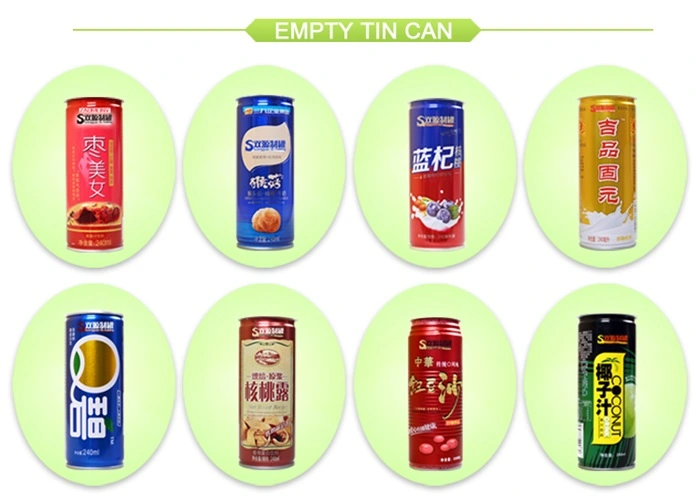
Visual presentation significantly influences consumer purchasing decisions at retail, making customization capabilities essential when selecting Aluminum Cans with Covers. High-quality printing technologies allow manufacturers to reproduce complex graphics, gradients, and photographic images directly onto can surfaces with exceptional clarity and color accuracy. Lithographic printing offers the highest quality results for large production runs, supporting up to seven colors plus specialty inks that create metallic effects, fluorescent highlights, or other eye-catching finishes that make products stand out on crowded retail shelves. Digital printing technology has revolutionized short-run customization options for Aluminum Cans with Covers. While historically limited to high-volume orders with significant minimum quantities, digital printing now enables smaller brands to access professional-quality custom packaging without prohibitive setup costs or massive inventory commitments. This technology proves particularly valuable for seasonal releases, limited editions, or market testing scenarios where traditional printing minimums would be economically impractical. However, buyers should understand that per-unit costs for digitally printed cans typically exceed traditionally printed options, making volume projections crucial for cost-effective decision-making. Alternative decoration methods provide additional customization pathways. Shrink sleeve labeling applies pre-printed plastic sleeves that conform tightly to can contours when heated, offering 360-degree graphic coverage with photographic quality and excellent durability. This approach provides flexibility for frequent design changes or personalized packaging campaigns without the commitment of direct-print tooling. Pressure-sensitive labels offer another option for blank Aluminum Cans with Covers, though they typically provide less durability than shrink sleeves or direct printing. Each decoration method presents distinct advantages regarding minimum order quantities, cost structures, design flexibility, and physical durability that should align with your specific branding strategy and market positioning.
Size Selection and Dimensional Considerations
Container dimensions directly impact consumer perception, handling convenience, and retail shelf efficiency. Standard can diameters include 202 (approximately 52mm), 204 (about 57mm), 209 (approximately 65mm), and 211 (roughly 65mm with different height profiles), each suited to different product categories and serving sizes. The 209.5# diameter with 61mm specification offers excellent versatility for products ranging from air fresheners to specialty beverages, providing adequate surface area for compelling graphics while maintaining a comfortable grip for consumers. Height variations from 36mm up to 168mm accommodate volume requirements from single-serving portions through multi-use containers. Selecting appropriate dimensions requires balancing multiple factors beyond simple volume calculations. Taller, slimmer profiles often appear more premium and stand out visually on retail shelves, potentially justifying higher price points. Shorter, wider containers offer stability advantages for products shipped and displayed in bulk, reducing tipping risks during handling. Consider also how dimensions affect production efficiency if you plan to fill containers using automated equipment. Standardized sizes typically offer better equipment compatibility and faster changeover times between production runs, while custom dimensions might require specialized tooling investments. The relationship between can body and cover dimensions demands careful attention when specifying Aluminum Cans with Covers. Even minor dimensional inconsistencies can create sealing difficulties, leading to product loss, contamination risks, or consumer complaints. Verify that your supplier maintains strict tolerances on both can opening diameter and cover dimensions, ensuring reliable fit across entire production lots. Request dimensional inspection reports showing statistical process control data that demonstrates consistent manufacturing within acceptable tolerance ranges, typically measured in hundredths of millimeters for precision-manufactured containers.
Supplier Evaluation and Quality Assurance Systems for Aluminum Cans with Covers
Selecting a reliable supplier represents perhaps the most consequential decision in your packaging procurement process. Established manufacturers with decades of experience offer distinct advantages through refined production processes, proven quality control systems, and stable supply chains that minimize disruption risks. Companies operating multiple production lines from leading international equipment manufacturers demonstrate commitment to quality and capacity to handle growing demand as your business scales. Look for suppliers managing diverse equipment portfolios sourced from German, Japanese, Swiss, and Italian manufacturers, indicating they can leverage different technologies to optimize specific product requirements. Production capacity and inventory management capabilities directly affect your ability to maintain consistent product availability. Suppliers with substantial manufacturing capacity, measured in millions of units monthly, can accommodate both immediate needs and seasonal demand fluctuations without compromising delivery schedules. Large inventory holdings provide buffer stocks ensuring rapid fulfillment even during peak demand periods or when unexpected supply chain disruptions affect raw material availability. However, substantial capacity means little without effective quality control systems ensuring every unit meets specifications regardless of production volume pressures. Financial stability often receives insufficient attention during supplier selection, yet it critically impacts long-term partnership viability. Financially strong manufacturers invest continuously in equipment upgrades, technology improvements, and workforce development that translate into better products and service. They weather economic downturns without compromising quality or reliability, ensuring your supply chain remains stable even during challenging market conditions. Request information about supplier business history, facility ownership status, and recent capital investments in production technology as indicators of financial health and commitment to the packaging industry.
Quality Control Protocols and Continuous Improvement
Comprehensive quality control systems distinguish superior suppliers from basic commodity producers. Leading manufacturers implement multi-stage inspection protocols beginning with incoming raw material verification, ensuring aluminum meets purity and physical property specifications before entering production. In-process inspections monitor critical parameters at multiple production stages, detecting and correcting deviations before they affect significant quantities. Final inspections verify dimensional accuracy, coating integrity, print quality, and seal performance on representative samples from every production run. Research and development capabilities enable suppliers to address emerging challenges and capitalize on new opportunities. Mature R&D teams work proactively to develop improved coating formulations, enhanced sealing mechanisms, and innovative design features that provide competitive advantages. They collaborate with customers to solve specific packaging challenges, whether adapting containers for unique product formulations, developing specialized cover designs for novel dispensing methods, or creating custom shapes that strengthen brand identity. Strong technical support teams translate R&D innovations into practical production solutions, ensuring new capabilities integrate seamlessly into existing manufacturing processes. Continuous improvement philosophies embedded in supplier culture drive incremental quality gains and cost optimizations over time. Manufacturers embracing lean manufacturing principles, Six Sigma methodologies, or similar frameworks systematically identify and eliminate waste, variability, and defects throughout their operations. This commitment manifests in documented quality metrics tracking defect rates, customer complaint frequency, on-time delivery performance, and other key performance indicators. Request historical quality data showing trends over multiple years to verify that suppliers not only maintain standards but actively improve performance through systematic analysis and targeted interventions.
Cost Considerations and Total Value Assessment for Aluminum Cans with Covers
Unit price comparisons provide only partial insights into true packaging costs. While per-unit pricing obviously affects direct material expenses, comprehensive cost analysis must account for numerous factors influencing total cost of ownership. Minimum order quantities impact both unit pricing and inventory carrying costs, with larger commitments typically securing better pricing but tying up capital in stored inventory. Calculate economic order quantities balancing volume discounts against storage costs, obsolescence risks for time-sensitive designs, and cash flow implications of large upfront purchases. Freight and logistics expenses significantly influence total landed costs, particularly when sourcing from international suppliers. Container shipping rates, import duties, customs clearance fees, and domestic transportation to your facility can add substantial costs beyond the quoted unit price. However, aluminum's light weight compared to glass or steel alternatives often provides offsetting advantages through reduced freight costs per unit volume. Evaluate total transportation costs including packaging materials protecting containers during shipment, as premium suppliers often provide protective crating that minimizes damage risks even for long-distance international shipments. Quality costs extend beyond direct expenditures to encompass consequences of packaging failures. Defective Aluminum Cans with Covers that leak, dent easily, or fail to seal properly generate multiple cost categories including wasted product, disposal expenses, customer returns processing, brand reputation damage, and potential regulatory issues if food safety concerns arise. Calculate expected quality costs by multiplying potential failure rates by associated remediation expenses. Superior suppliers with documented low defect rates often justify premium pricing through elimination of these hidden quality costs that can quickly exceed any per-unit savings from cheaper alternatives.
Long-Term Partnership Value and Service Support
Beyond tangible cost factors, evaluate intangible benefits that suppliers provide through responsive service and flexible partnership approaches. Low minimum order quantities accommodate market testing, seasonal variations, or limited production runs without forcing excessive inventory commitments. Freely provided samples enable thorough testing before large purchases, reducing risks of specification mismatches or unexpected compatibility issues. Fast delivery capabilities support just-in-time inventory strategies minimizing storage requirements and improving cash flow management. Customization flexibility allows packaging evolution aligned with brand development and market feedback. Suppliers supporting OEM arrangements enable private label products with customized specifications meeting unique requirements. Those offering various cover color options provide visual differentiation opportunities without requiring complete design changes. Strong customer service teams provide technical guidance addressing filling equipment compatibility, optimal storage conditions, and troubleshooting assistance when questions arise during production scale-up or product modifications. Global reach and export experience matter significantly for brands with international distribution aspirations or existing operations across multiple countries. Suppliers with established export networks to North America, Europe, and Asia demonstrate capability to navigate international shipping complexities, regulatory compliance requirements, and quality standard variations across markets. Their experience helps avoid costly mistakes regarding documentation requirements, specification standards, or certification needs in different regulatory environments, smoothing market entry processes and reducing time-to-market for international expansion initiatives.
Conclusion
Selecting high-quality Aluminum Cans with Covers for retail demands careful evaluation across material quality, regulatory compliance, customization capabilities, supplier reliability, and comprehensive cost analysis. Success requires balancing immediate pricing considerations against long-term value factors including quality consistency, service responsiveness, and partnership flexibility that support business growth and market adaptation.
Cooperate with Shandong Three Iron-Printing & Tin-Making Co.,Ltd.
Partner with Shandong Three Iron-Printing & Tin-Making Co.,Ltd., a trusted China Aluminum Cans with Covers manufacturer, China Aluminum Cans with Covers supplier, and China Aluminum Cans with Covers factory located in Linyi Economic and Technological Development Zone. Our 270,000 square meter facility houses advanced equipment from Germany, Japan, Switzerland, and Italy, producing 50,000 tons of printing iron, 600 million cans, and 2 billion easy-pull covers annually with ISO9001:2008, ISO14001:2004, SGS, BPA, and CE certifications. As a leading China Aluminum Cans with Covers wholesale provider offering High Quality Aluminum Cans with Covers and competitive Aluminum Cans with Covers price, our mature R&D team, technical support, strong financial backing, large inventory, and complete certifications ensure we deliver exceptional Aluminum Cans with Covers for sale featuring seamless construction, customizable exteriors, recyclable materials, and stackable design. Contact info@threefoodcan.com today to discuss your packaging requirements and receive a customized quote for premium packaging solutions that elevate your brand presence across international markets.
References
1. Ball Corporation. "Aluminum Beverage Can Manufacturing and Sustainability Standards." Packaging Technology and Engineering, 2023.
2. Crown Holdings, Inc. "Quality Assurance Protocols for Food-Grade Aluminum Packaging." Industrial Packaging Review, 2024.
3. International Organization for Standardization. "ISO 9001:2015 Quality Management Systems - Requirements for Packaging Manufacturing." ISO Standards Publication, 2022.
4. Smith, Jennifer A. and Rodriguez, Michael P. "Material Selection Criteria for Retail Beverage Packaging: A Comprehensive Analysis." Journal of Packaging Science and Technology, Vol. 38, No. 4, 2023.
5. European Aluminium Association. "Aluminum Packaging Recycling and Sustainability Guidelines for Industrial Applications." Environmental Packaging Standards, 2024.
YOU MAY LIKE