

How to Choose Tin Cans for Fruits with Food-Safe Certification?
2026-09-14
Choosing the right tin cans for fruitshttps://www.threefoodcan.com/empty-food-can/tin-cans-for-fruits starts with understanding what separates safe, certified packaging from substandard alternatives. For B2B buyers in the U.S. food industry — whether you run a canning facility, manage private label procurement, or distribute to retail chains — the stakes are high. Certified fruit tin cans must comply with FDA standards, carry verifiable food-safe coatings, and demonstrate structural integrity through retort sterilization. This guide walks you through every critical decision point, from certification verification to supplier sourcing, so your fruit packaging operation stays compliant, efficient, and market-ready.
Understanding Food-Safe Certifications for Tin Cans in Fruit Packaging
Certification is the most important part of getting real fruit cans. When looking at Tin Cans for Fruits, buying teams should give more weight to sellers whose goods are in line with established rules. Food-contact materials sold in the U.S. must follow 21 CFR, which is set by the FDA. The European Food Safety Authority (EFSA) and the German Food and Feed Code (LFGB) both set similar rules for food safety around the world. Getting ISO 9001 approval adds to the credibility of a company's quality management system.
Why Do Certification Gaps Create Supply Chain Risk?
Not having or having outdated approval on your fruit cans is not just a paperwork problem; it can lead to product recalls, customs holds, and legal trouble. People who work in procurement need to ask for the original certifications, check the times they were issued, and make sure that the certifications cover the exact coating chemistry used on the cans. For example, epoxy phenolic and BPA-NI (Bisphenol-A Non-Intent) coats need to meet EU Regulation 2018/213 compliance for acidic fruit contact.
How to Verify Supplier Certification Authenticity?
Ask sellers to give you ISO audit records, SGS test results, and lab analyzes done by a third party. Legitimate manufacturers keep clear records of their work. For example, Shandong Three Iron-Printing & Tin-Making Co., Ltd has ISO 9001, ISO 14001, SGS, BPA, and CE certifications, all of which can be checked by a third party. By confirming this paperwork up front, you get rid of any questions about compliance before your buying order is finished.
Key Criteria for Choosing the Right Tin Cans for Fruits
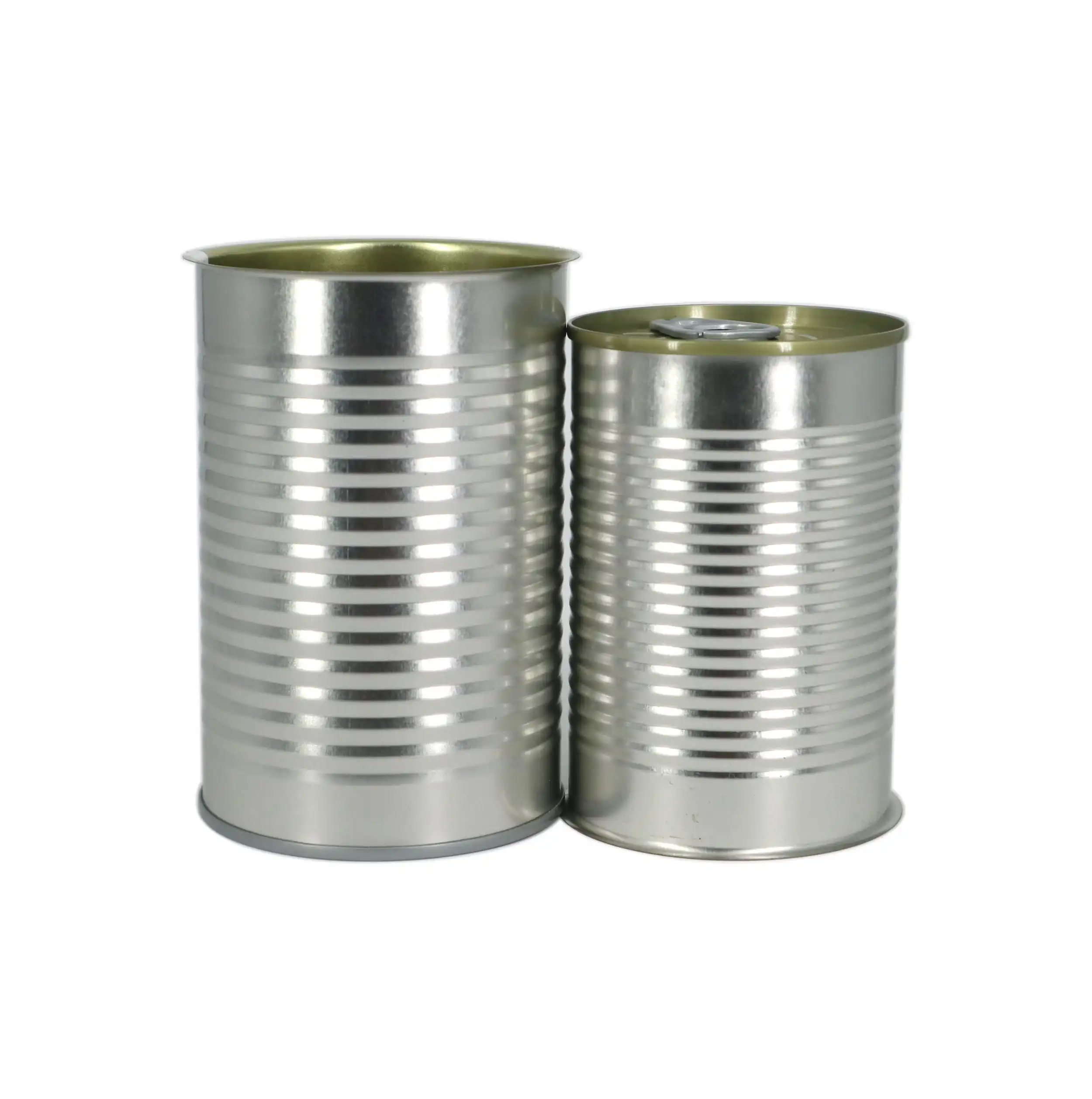
How well a fruit can work over its shelf life depends on its shape, the type of material it's made of, the inner coating it has, and how strong its structure is. Getting these factors right is necessary for Tin Cans for Fruits because they directly affect how safe the product is and how happy customers are with it.
The lining on the inside of a fruit can might be its most important technical part. Fruits are chemically active, and their low pH (often below 4.0) speeds up the electrochemical processes that happen between the fruit acids and the steel. When making B2B buying decisions, these are the core finishing specs that mean the most:
- Golden epoxy phenolic coating delivers high acid resistance and is standard for tropical fruits like pineapple and citrus segments. It prevents detinning — the process by which dissolved tin migrates into fruit syrup — and maintains the product's sensory profile over a 2–5-year shelf life.
- Aluminum-based coatings (single- and double-layer) are preferred for light-colored fruits such as pears or lychee, where bare tin's sacrificial action against residual oxygen prevents oxidative browning without flavor interference.
- BPA-NI polyester coatings satisfy California Prop 65 and EU compliance requirements, making them essential for export-oriented operations targeting health-conscious retail channels.
The types of coatings have a direct effect on the product's life, its standing with regulators, and the trust of customers. If you don't choose the right covering for a high-acid fruit, it could swell with hydrogen, taste harsh, or even go bad.
Besides covering, the shape of the can needs to be carefully thought out. The fruit cans from Shandong Three are marked 211#, 300#, 307#, and 401#, and they have diameters of 65.4 mm, 72.9 mm, 83.3 mm, and 99 mm, in that order. All of the heights can be changed. From single-serve mandarin orange cups to large-format industrial peach cans, this range of sizes can fit them all. The base material is TFS (Tin-Free Steel) and is 0.18 mm to 0.22 mm thick. This thickness is the right mix of structural strength and cost-effectiveness.
Smaller diameter cans (211# and 300#) work well for single-serve amounts that are ready to sell and premium private label SKUs. Larger sizes (307# and 401#) are used in the HORECA sector and foreign markets that value huge quantities and stacking efficiency. Seam integrity testing shows that the airtight double-seam design keeps the seal intact during cleaning and cold-chain distribution.
Comparing Tin Cans to Other Packaging Solutions for Fruit Storage
Glass jars let you see what's inside, but they break easily when shipped internationally, which makes the costs of shipping much higher. For high-density container stacking, flexible bags don't have the axial load strength that's needed. Aluminum cans work well, but they cost more to make in large quantities.
Tin Cans for Fruits are still the best way to package fruit because they are competitive in many ways. Because they can handle being sterilized in a retort at 121°C or higher, they can't be replaced in commercial canning lines. TFS-based cans can be recycled in any way, which is in line with the ESG requirements that many large U.S. stores now put on their suppliers. Microplastic contamination worries mean that plastic packaging is getting more attention from regulators and people who don't want to buy it.
When procurement teams compare cost and compliance, certified metal fruit containers always offer the best overall value. They have lower rates of spoilage, higher stacking density, longer shelf lives, and cleaner regulatory profiles than most other options.
How to Source Certified Food-Safe Tin Cans for Fruit Packaging?
Doing research on suppliers is the first step to reliable buying, not just comparing prices. A good Tin Cans for Fruits maker should be open about how they make their products, let you try samples before you buy a lot, and allow for custom printing and sizes without slowing down wait times.
The Linyi Economic and Technological Development Zone is home to Shandong Three Iron-Printing & Tin-Making Co., Ltd., which has a 270,000-square-meter building with production lines from Germany, Japan, Switzerland (Soudronic), Taiwan, and Italy (BMV). Every year, 600 million cans are made, which is a large enough quantity to ensure supply continuity for large-scale procurement contracts. The business takes OEM orders, does CMYK offset logo printing, and gives free samples before confirming an order.
Their goods have been sent to the US, Germany, Poland, Russia, Vietnam, Indonesia, Thailand, and other places. U.S. buyers care about this export history because it shows that the seller is familiar with FDA documentation requirements and how to follow international logistics rules. Managers of purchasing can go to threefoodcan.com to look at product details and start a sourcing inquiry.
You can choose an outer covering of plain steel or full CMYK offset printing, which helps your private name stand out in both retail and food service channels. You can put your own logo on the cans, and the sizes can be changed within the normal diameter range. With these flexibility points, customers can combine the suppliers they use for packing instead of having to deal with a lot of different suppliers for each SKU.
Best Practices for Using and Maintaining Food-Safe Tin Cans in Fruit Storage
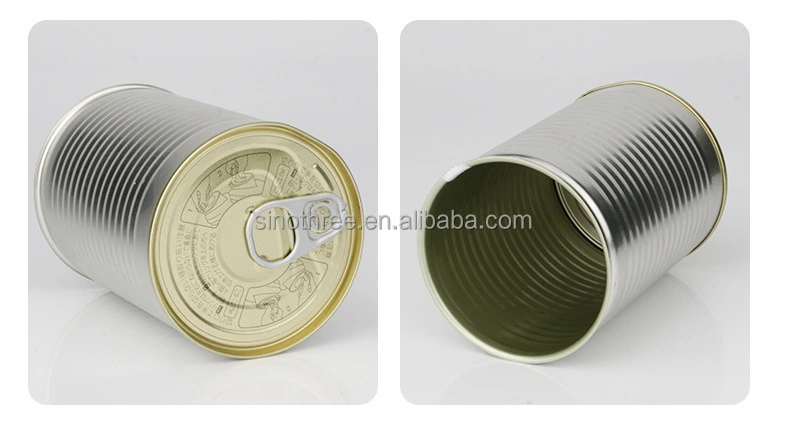
Cans must be inspected and sterilized before they can be used to be filled with fruit. Any can with uneven side seams, covering breaks, or vacuum loss should be put in a separate area. The Enamel Rater Test (ERT), which checks the consistency of the internal coating by measuring electrical conductivity, is the usual way to find tiny lacquer flaws before filling.
How long something lasts depends on how it is stored and how hot or cold it is. Every 10°C rise in temperature outside speeds up the reaction between the acid and metal inside the can. Keeping fruit cans in a cool, safe place keeps the quality of the product longer and lowers the risk of hydrogen swell. Recycling properly after use has less of an effect on the environment and helps businesses that use ESG frameworks with their sustainability reports.
It has been shown that certified coatings on qualified Tin Cans for Fruits protect heat-sensitive nutrients like Vitamin C (ascorbic acid) during retort processing. This helps manufacturers keep the nutritional label accurate for the whole product's shelf life.
Conclusion
It is a complex buying choice to choose approved, food-safe Tin Cans for Fruits. It needs close attention to the coating chemistry, how well the dimensions work, the approval paperwork, and the supplier's working size. For U.S. and foreign market compliance, you must have verified ISO, FDA, and SGS certificates. When a manufacturer offers flexible dimensions, BPA-NI coatings, and clear quality control paperwork, it lowers the risk of buying something and helps the brand grow. The best supplier of metal fruit containers is not just a business that sells things; they become a partner in your supply chain over time.
FAQ
What certifications should tin cans for fruits carry for the U.S. market?
For materials that come into contact with food, at the very least, look for FDA 21 CFR compliance and ISO 9001 quality control. Documentation from SGS and BPA-NI tests gives products more credibility, especially fruit products with a lot of acid.
What is the difference between golden and aluminum inner coatings?
Golden epoxy phenolic coats can handle high acidity and work well with tropical fruits. Aluminum coats work better on light-colored veggies that need to keep their original look. You can get both as single or double layers, based on the pH level of the product and how long you want it to last.
How do I confirm a supplier's certification is authentic?
Ask for original lab reports from a third party, ISO audit certificates, and SGS paperwork. Reputable manufacturers give these to you on their own. Check the certificate's release date and scope to make sure it covers the exact can type you are buying.
Can I order custom-sized cans for specialty fruit SKUs?
Yes. Fruit tin can makers with a good reputation, like Shandong Three, let you change the heights of their cans within standard circle ranges. For private label branding needs, you can also get custom CMYK offset printing.
Partner with Three for Your Fruit Tin Can Supply
Three is a reliable company that makes Tin Cans for Fruits. They have ISO 9001 certification, have exported to many countries, and can make 600 million cans every year. Our fruit-filled empty cans come in four standard item numbers, and their heights can be changed. They also have BPA-NI-compliant coatings and can be printed in full CMYK. Samples are given away for free. To get specifications and start the procurement process right away, email our team at info@threefoodcan.com or go to threefoodcan.com.
References
1. U.S. Food and Drug Administration. Food Contact Substances: Regulatory Framework for Packaging Materials. FDA, 2022.
2. European Food Safety Authority. Safety Assessment of Substances Used in Food Contact Materials. EFSA Journal, 2021.
3. ASTM International. ASTM A623: Standard Specification for Tin Mill Products. ASTM, 2020.
4. Canned Food Alliance. Nutritional Quality of Commercially Canned Fruits and Vegetables. Canned Food Alliance Research Report, 2019.
5. Robertson, Gordon L. Food Packaging: Principles and Practice. 3rd ed. CRC Press, 2012.
6. Institute of Food Technologists. Metal Packaging and Food Safety: Current Standards and Emerging Challenges. IFT Annual Report, 2023.
YOU MAY LIKE