

How to choose the right easy-open lid for 125 ml Sardines empty can?
2025-12-19
Picture this: your production line is running smoothly, but suddenly customer complaints flood in about difficult-to-open cans, oil spillage, and damaged product integrity. The culprit? An incompatible easy-open lid for your 125 ml Sardines empty can. Selecting the appropriate easy-open lid is not merely a packaging decision but a critical factor that determines product freshness, consumer satisfaction, and ultimately your brand reputation. This comprehensive guide walks you through every consideration needed to make an informed choice for your 125 ml Sardines empty can packaging, ensuring your seafood products reach consumers in perfect condition while providing the convenient opening experience they expect.
Understanding Easy-Open Lid Types for 125 ml Sardines Empty Can
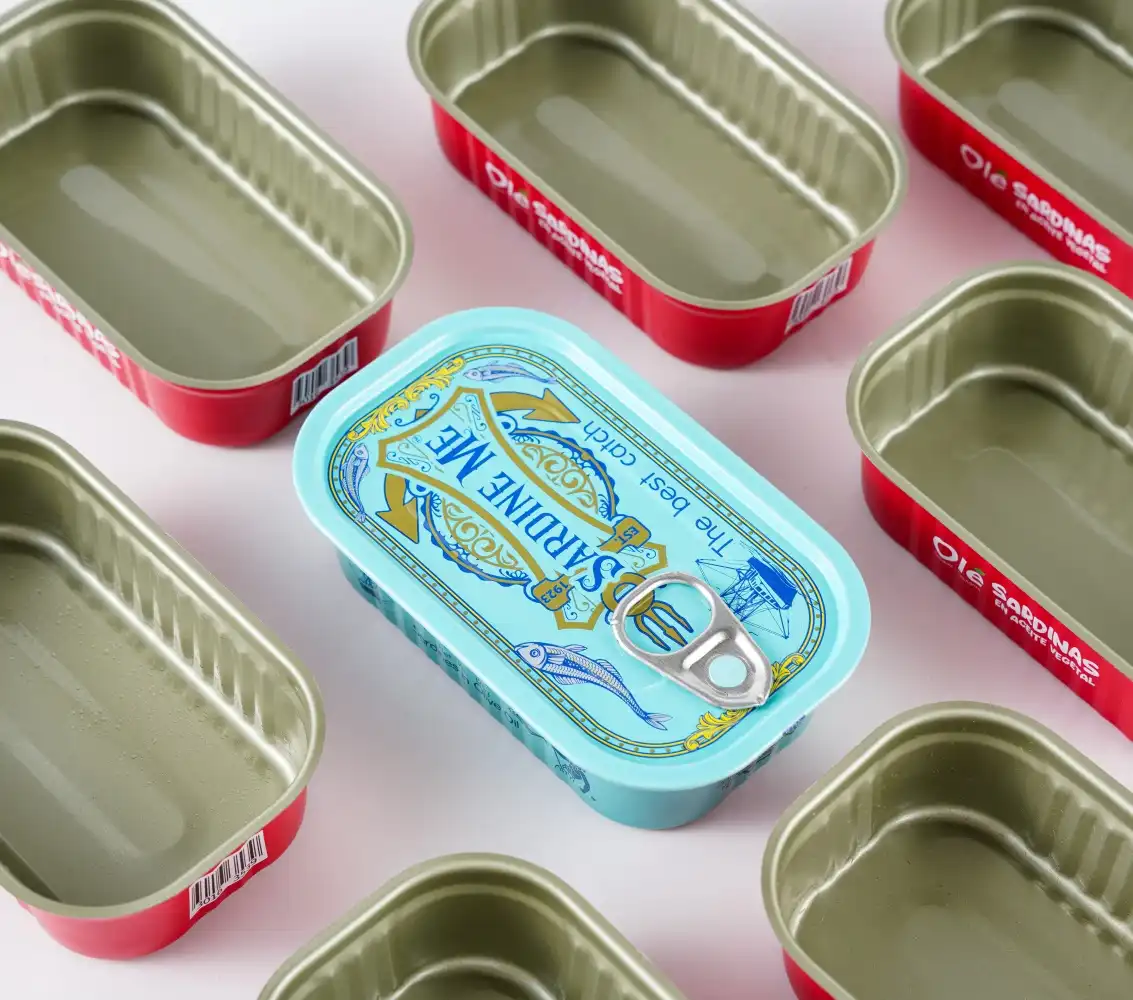
The foundation of choosing the right lid begins with understanding the available options in the market. Easy-open lids, also known as easy-open ends or EOE, have revolutionized the canned food industry by eliminating the need for traditional can openers. For a 125 ml Sardines empty can, the most common types include full aperture opening lids, partial opening lids, and ring-pull tab designs. Full aperture lids allow complete removal of the top, providing unrestricted access to the sardine contents, which is particularly beneficial for products packed in oil or sauce where consumers need to drain liquids easily. Partial opening lids feature a smaller opening section, ideal for controlled pouring or when product protection after initial opening is desired. Ring-pull tab lids incorporate an integrated pull mechanism that consumers can operate without additional tools, offering maximum convenience for on-the-go consumption. Each lid type serves specific functional requirements, and your choice should align with how consumers will interact with your 125 ml Sardines empty can product.
Material Considerations for Sardine Can Lids
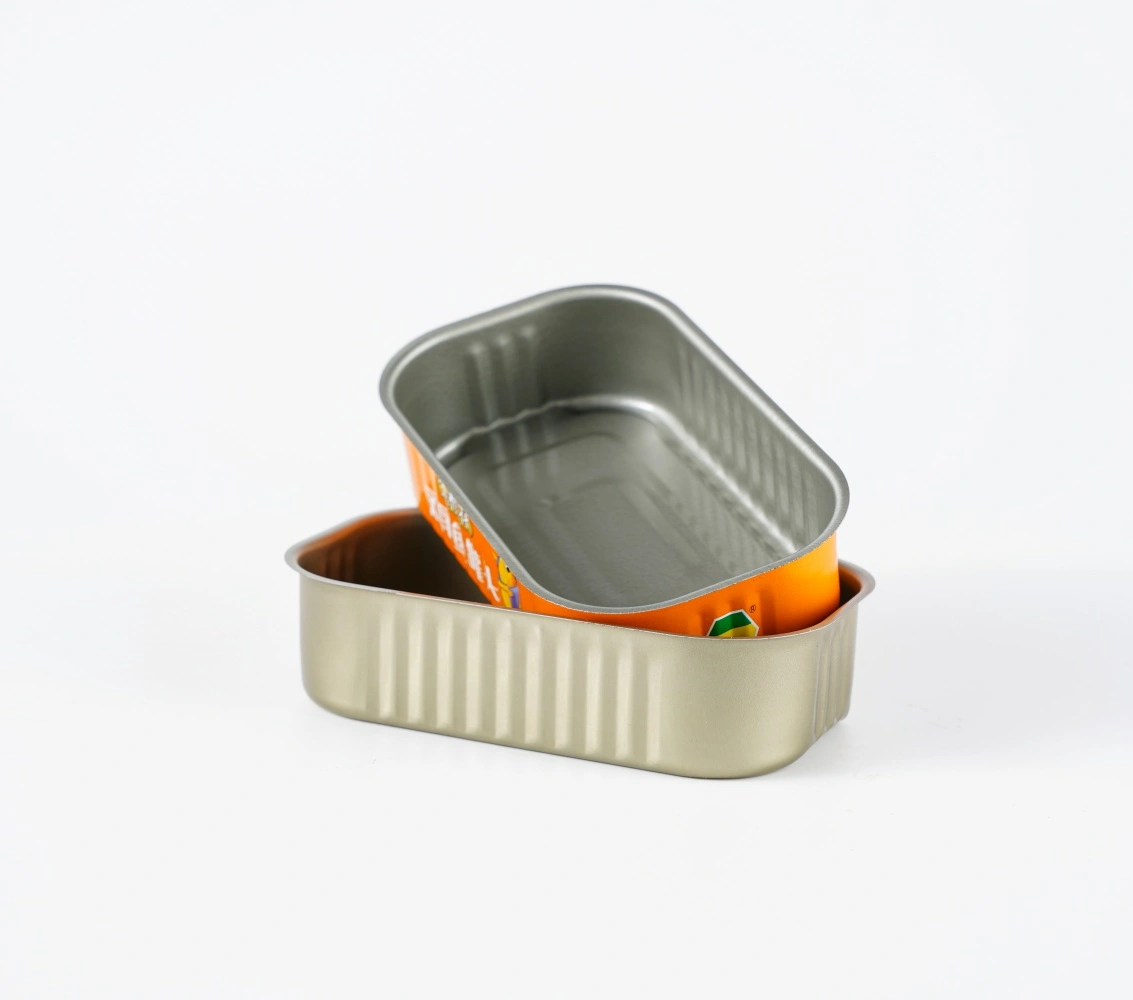
The material composition of easy-open lids directly impacts their performance, durability, and compatibility with your 125 ml Sardines empty can. Tinplate easy-open lids are manufactured from electrolytic tin-coated steel, offering excellent rigidity, corrosion resistance, and barrier properties that protect sardine contents from oxygen and moisture infiltration. Tinplate lids are particularly suitable for products requiring heat treatment such as retort or pasteurization processes, making them the industry standard for commercially sterile canned sardines. The TFS material, or tin-free steel, presents an economical alternative with similar protective qualities, coated with chromium instead of tin. Aluminum easy-open lids provide lightweight advantages and superior formability, allowing for more intricate scoring patterns that ensure consistent opening performance. However, aluminum may not withstand high-temperature processing as effectively as tinplate. When selecting material for your 125 ml Sardines empty can lid, consider the filling process temperature, product shelf life requirements, and whether your sardines will undergo sterilization treatment. The conical shape of many sardine cans, with dimensions approximately 104.8 by 75.8 by 22 millimeters, requires lids that can achieve hermetic double-seam closure regardless of the material chosen.
Coating and Lacquer Requirements
Interior coatings applied to easy-open lids serve as the critical barrier between the metal and your sardine product, preventing chemical interactions that could compromise food safety and flavor quality. For 125 ml Sardines empty can applications, BPA-free coatings have become the industry standard, responding to consumer health concerns and regulatory requirements in major markets including the United States, European Union, and Asian countries. Epoxy phenolic coatings provide excellent adhesion and chemical resistance, suitable for products with acidic components such as sardines in tomato sauce. Organosol coatings offer superior flexibility and are ideal for products with high oil content, preventing the oils from degrading the coating layer. Some manufacturers specify aluminized internal lacquers that provide enhanced light reflection and additional barrier properties. The color of internal lacquer, whether gold or clear, should be selected based on product presentation preferences and compatibility testing with your specific sardine formulation. External coatings or lacquers protect the printed surface from scratches during handling and distribution while providing additional corrosion resistance. Always request coating compatibility certificates from your 125 ml Sardines empty can supplier to ensure the selected lacquer system has been tested with seafood products and meets FDA compliance standards for food contact materials.
Sealing Performance and Hermetic Integrity
The sealing capability between the easy-open lid and the 125 ml Sardines empty can body represents the most critical functional requirement for preserved seafood products. Hermetic sealing prevents microbial contamination, oxygen ingress, and product leakage throughout the distribution chain and shelf life period. The double-seam formation created during the seaming operation must achieve specific dimensional parameters to ensure integrity, including seam thickness, seam height, overlap percentage, and tightness rating. For sardine products requiring thermal processing, the seal must withstand internal pressure build-up during retort sterilization, typically reaching temperatures between 116 and 121 degrees Celsius. Proper sealing performance depends on multiple factors including the curl design of the easy-open lid, the flange configuration of the can body, seaming machine settings, and the quality of sealing compound applied. Insufficient overlap in the double seam can create channels for bacterial penetration, while excessive tightness may cause wrinkles or fractures that compromise the seal. Quality control procedures should include destructive seam tear-down analysis on random samples from each production batch, measuring the five critical seam dimensions established by can manufacturing standards. Your 125 ml Sardines empty can supplier should provide detailed seaming specifications and recommended chuck and roller profiles for achieving optimal hermetic seals with their specific lid design.
Opening Force and Consumer Convenience
The force required to open an easy-open lid significantly affects consumer satisfaction and product accessibility across different demographic groups. Standard testing protocols measure opening force in Newtons, with acceptable ranges varying by lid size and design complexity. For 125 ml Sardines empty can lids, the target opening force typically falls between 15 and 30 Newtons, providing enough resistance to prevent accidental opening during handling while remaining accessible for consumers with limited hand strength, including elderly users and individuals with arthritis. The scoring depth and pattern geometry directly control opening force characteristics, with deeper scores requiring less force but potentially compromising lid integrity before intended opening. Tab design influences the leverage advantage consumers can apply, with larger tab areas and optimized positioning relative to the score line facilitating easier grip and pull. Some advanced easy-open lid designs incorporate safety features that prevent the detached lid section from having sharp edges, addressing injury concerns while maintaining convenient operation. Field testing with representative consumer groups provides valuable feedback about opening experience, particularly for export markets where consumer expectations and physical capabilities may differ. Request opening force test data from your 125 ml Sardines empty can lid supplier, ensuring their specifications align with your target market requirements and brand positioning as a consumer-friendly product.
Compatibility with Production Equipment
Successful implementation of easy-open lids for your 125 ml Sardines empty can requires complete compatibility with existing filling and seaming equipment in your production facility. The lid's curl diameter, panel depth, and overall dimensional tolerances must match the specifications your seaming machine is configured to handle. Most modern double-seamer machines can accommodate multiple lid specifications through changeover of seaming chucks and rolls, but the adjustment process requires technical expertise and careful validation to maintain seal integrity. Production line speed capabilities represent another crucial consideration, as some easy-open lid designs may limit maximum seaming speeds compared to standard lids due to more complex curl geometries. If your facility operates high-speed production lines exceeding 400 cans per minute, verify that the proposed lid design has been successfully run at comparable speeds without quality degradation. The lid feeding system must reliably orient and deliver easy-open lids to the seaming station, with the pull tab positioned correctly relative to any printing or labeling on the can body. Magnetic lid feeding systems work well with tinplate lids but may require modification for aluminum lid handling. Conduct trial runs with sample easy-open lids before committing to large-scale orders, documenting seam quality parameters, machine efficiency, and any operational challenges encountered. Your equipment manufacturer or a qualified packaging engineer can provide assessment services to evaluate compatibility and recommend necessary modifications for successful integration of easy-open lids with your current 125 ml Sardines empty can production setup.
Customization and Branding Opportunities
Easy-open lids present valuable opportunities for brand differentiation and consumer communication through customization options available for your 125 ml Sardines empty can packaging. Lid surface printing allows placement of brand logos, product information, opening instructions, or promotional messaging directly on the most visible component of the package. CMYK offset printing provides full-color capabilities with photographic quality reproduction, enabling eye-catching designs that enhance shelf appeal and communicate premium product positioning. Some manufacturers offer embossing or debossing techniques that create raised or recessed patterns in the lid surface, adding tactile dimension to the packaging experience. Specialty coatings including gold lacquer, silver lacquer, or matte finishes allow further visual customization aligned with brand identity. The pull tab area can incorporate custom shapes or colors that become recognizable brand signatures, improving consumer recognition and purchase intent. Consider multilingual opening instructions printed on the lid surface when exporting to international markets, demonstrating consideration for diverse consumer needs. Custom printing requires minimum order quantities typically ranging from 50,000 to 100,000 pieces depending on the complexity and number of colors specified. Work with your 125 ml Sardines empty can supplier's design team to develop lid artwork that maximizes available print area while maintaining legibility and visual impact, ensuring all critical information remains clearly visible after the lid is seamed onto the can body.
Quality Standards and Certifications
Compliance with international quality standards and food safety certifications is non-negotiable when selecting easy-open lids for your 125 ml Sardines empty can products, particularly for export-oriented businesses serving global markets. ISO 9001 certification demonstrates that your lid supplier maintains documented quality management systems covering design, production, and testing processes. This systematic approach reduces variability and ensures consistent lid performance across production batches. Food safety management certifications including HACCP, BRC Global Standard for Packaging Materials, and FSSC 22000 verify that contamination risks have been identified and controlled throughout the manufacturing process. These certifications are increasingly required by major retailers and food companies as prerequisites for supplier approval. FDA compliance for food contact materials confirms that all components, coatings, and adhesives used in the easy-open lid meet United States regulations for substances in contact with food products. European Union regulations require declaration of compliance with Framework Regulation 1935/2004 and specific measures for materials including plastics and coatings. SGS testing reports provide independent verification of lid performance characteristics including opening force, seal integrity, and coating migration under simulated use conditions. For BPA-free claims, request analytical test reports confirming that bisphenol A is not detected at specified sensitivity levels in the coating formulation. Chinese manufacturers exporting 125 ml Sardines empty cans should also possess AQSIQ registration for food contact materials. Maintain certificates and test reports from your lid supplier as part of your quality documentation system, updating them regularly as standards evolve and regulations change in your target markets.
Environmental Considerations and Recyclability
Growing consumer awareness about environmental sustainability makes recyclability and eco-friendly attributes important factors when choosing easy-open lids for your 125 ml Sardines empty can packaging. Metal packaging, including both tinplate and aluminum components, ranks among the most successfully recycled materials globally with recycling rates exceeding 70 percent in many developed markets. Easy-open lids manufactured from tinplate or aluminum are fully recyclable through existing municipal recycling streams without separation from the can body, simplifying the recycling process for consumers. Some coating formulations now incorporate bio-based materials or reduce volatile organic compound emissions during production, appealing to environmentally conscious buyers. Lightweighting initiatives reduce the metal gauge thickness of easy-open lids while maintaining structural integrity and seal performance, decreasing material consumption and transportation emissions per unit. When evaluating different lid options for your 125 ml Sardines empty can, request environmental impact data including recyclability percentage, recycled content in the base material, and carbon footprint assessments if available. Consider incorporating recyclability symbols and disposal instructions on your packaging to guide consumers toward proper end-of-life handling. These environmental attributes can become important marketing differentiators, particularly for premium sardine products targeting health-conscious and sustainability-focused consumer segments. Partner with suppliers who demonstrate commitment to environmental stewardship through certified environmental management systems such as ISO 14001, ensuring your packaging choices align with corporate sustainability goals and emerging circular economy principles.
Cost Analysis and Supply Chain Management
Economic considerations play a significant role in easy-open lid selection for 125 ml Sardines empty can production, requiring balance between functional performance and total cost of ownership. Easy-open lids typically command higher unit prices compared to standard lids due to more complex manufacturing processes, specialized tooling requirements, and the precision scoring operations necessary for reliable opening performance. Price variations exist between lid types, with full aperture opening designs generally costing more than partial opening variants due to additional material and processing complexity. Material choice affects pricing structures, as aluminum lids fluctuate with global aluminum commodity prices while tinplate lid costs correlate with steel and tin markets. Large-volume commitments usually secure more favorable pricing through economies of scale, but require careful demand forecasting to avoid excess inventory carrying costs. Beyond the lid unit price, consider total cost factors including freight charges for international shipping, duties and tariffs for imported components, inventory holding costs, and the potential for production disruptions if supply interruptions occur. Establishing relationships with multiple qualified suppliers for your 125 ml Sardines empty can lids provides supply security and competitive pricing leverage, though managing multiple supply chains increases administrative complexity. Request detailed quotations specifying not only unit pricing but also minimum order quantities, lead times, payment terms, and tooling charges for custom designs. Conduct total cost of ownership analysis comparing different lid options over your typical annual consumption volume, accounting for quality-related costs such as customer returns, production waste, and brand reputation impacts from packaging failures.
Technical Support and After-Sales Service
The technical support capabilities and service commitment offered by your 125 ml Sardines empty can lid supplier significantly influence long-term success and operational efficiency. Reputable manufacturers maintain experienced technical teams capable of providing seaming parameter recommendations, troubleshooting guidance when quality issues arise, and optimization advice to improve line efficiency or reduce defect rates. Initial installation support should include on-site commissioning assistance where technical representatives work with your production team to establish proper seaming machine settings, verify seal quality, and train operators on quality inspection procedures. Ongoing technical support via phone, email, or video conferencing enables rapid response to production challenges without costly facility visits for routine questions. Some suppliers offer periodic quality audits conducted by their technical staff, reviewing your seaming operations, identifying improvement opportunities, and ensuring continued compliance with specified lid performance standards. Access to comprehensive technical documentation including lid specifications, seaming guidelines, quality control procedures, and troubleshooting flowcharts empowers your team to maintain optimal performance independently. When evaluating potential suppliers for your 125 ml Sardines empty can lids, assess their technical support infrastructure, response time commitments, and willingness to collaborate on resolving issues. Request references from existing customers in similar seafood canning applications, inquiring about their experiences with technical support quality and supplier responsiveness. Strong supplier partnerships built on reliable technical support reduce production risks, accelerate problem resolution, and contribute to consistent product quality that protects your brand reputation in competitive markets.
Conclusion
Selecting the right easy-open lid for your 125 ml Sardines empty can requires careful evaluation of multiple technical, functional, and commercial factors that collectively determine packaging performance and consumer satisfaction. The ideal lid choice balances hermetic sealing integrity, convenient opening experience, production compatibility, regulatory compliance, and cost effectiveness while supporting your brand positioning and sustainability commitments.
Cooperate with Shandong Three Iron-Printing & Tin-Making Co., Ltd.
Partner with a trusted China 125 ml Sardines empty can manufacturer that delivers excellence in every aspect. As a leading China 125 ml Sardines empty can supplier and China 125 ml Sardines empty can factory, Shandong Three Iron-Printing & Tin-Making Co., Ltd. offers High Quality 125 ml Sardines empty can solutions backed by mature R&D teams, comprehensive technical support, and robust financial stability. Located in Linyi Economic and Technological Development Zone with over 270,000 square meters of production facilities and 300 dedicated employees, we operate advanced equipment from Germany, Japan, Switzerland, and Italy, producing 600 million cans annually with ISO9001:2008, ISO14001:2004, SGS, BPA, and CE certifications. Our seamless construction prevents leakage, customizable exteriors strengthen brand messaging, recyclable materials support eco-conscious values, and stackable designs optimize storage. Choose China 125 ml Sardines empty can wholesale options with competitive 125 ml Sardines empty can price and discover why our 125 ml Sardines empty can for sale products are exported to USA, Germany, Poland, Russia, Vietnam, Indonesia, Thailand, Mongolia, and Cambodia. Contact us at info@threefoodcan.com to request samples, discuss specifications, and elevate your seafood packaging solutions today.
References
1. Food and Agriculture Organization of the United Nations. "Codex Standard for Canned Sardines and Sardine-Type Products." Codex Alimentarius Commission, Food Standards Programme.
2. Miller, David H. and Canning Research Institute. "Hermetic Sealing Technology in Food Packaging: Principles and Applications." Journal of Food Process Engineering, Vol. 38, Issue 4.
3. International Organization for Standardization. "ISO 11126: Easy-Open Ends for Metal Containers - Dimensions and Tolerances." ISO Technical Committee on Packaging.
4. Wilson, Jennifer L. and Anderson, Robert K. "Consumer Acceptance Factors in Easy-Open Packaging for Preserved Seafood Products." Packaging Technology and Science, Vol. 29, Issue 7.
5. European Federation of Corrugated Board Manufacturers. "Sustainability and Recyclability of Metal Packaging Components in the Food Industry." Technical Paper Series on Environmental Compliance.
YOU MAY LIKE