

How Are Empty Cans with Blocks Manufactured and Tested?
2026-09-03
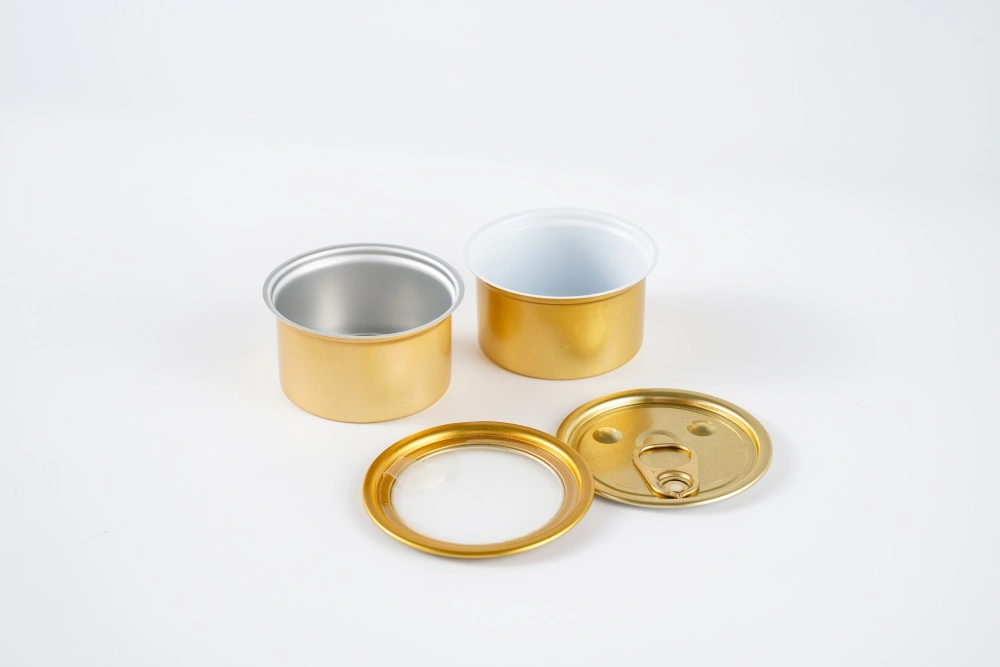
Empty cans with blocks https://www.threefoodcan.com/aluminum-pet-can-air-fresher-can/empty-cans-with-blocksrepresent a specialized category of industrial packaging designed to hold materials requiring internal agitation elements. These containers are precision-engineered metal vessels pre-equipped with internal mixing blocks—small agitation components that prevent settling of viscous or high-pigment formulations. The manufacturing process combines advanced metalworking techniques with rigorous quality controls to produce containers meeting stringent food-grade, pharmaceutical, and industrial standards. Through specialized forming, assembly, and testing procedures, manufacturers ensure each unit delivers consistent performance across demanding applications while maintaining environmental responsibility and recyclability.
Step-by-Step Manufacturing Process of Empty Cans with Blocks
Several precise steps are used in the production process to turn raw metal into finished containers that meet strict requirements. Integrated production lines with German, Japanese, Swiss, and Italian tools are used at our plant to get the best quality results.
Raw Material Preparation and Forming
Getting aluminum foil from approved sources that meet international purity standards is the first step in making something. Before going into production, spectroscopic analysis of incoming material checks the alloy composition and mechanical properties. The coil stock is carefully cut to the exact width needed for the can body, and then it is put into high-speed pressing presses.Thru a series of die stages, deep drawing operations turn flat pieces of aluminum into cylinder-shaped bodies. With this method, the material is stretched into shape without weakening important wall parts. Our Swiss Soudronic production lines can make more than 300 units per minute while keeping the limits for size within 0.05 mm. The controlled pressure patterns used in the forming stations harden the metal, making the structure stronger without the need for extra heat treatment.
Block Fabrication and Integration
Internal mixing blocks are made using different methods that are specific to the type of material they are made of. To get the right density, ceramic blocks are carefully shaped and heated at a controlled rate. Stainless steel versions are cut from bar stock and then passivated to stop rust from starting. Depending on the needs of the application, food-grade or industrial-grade resins are used for injection molding polymer blocks. These components are commonly supplied with Empty Cans with Blocks to support consistent mixing performance during storage and transportation.Block insertion happens during the assembly process, but before the final seaming steps. Each block is put into the can body by automated systems that use weight monitors or vision systems to make sure they are there. This important control point stops empty containers from moving through the production process. This makes sure that every unit has the right mixing element. The block's dimensions make it possible for it to move freely inside the volume while keeping it from getting stuck in seams or corners.
Surface Treatment and Coating Application
Putting an internal coating on the aluminum substrate protects it from reactive materials and makes the surface clean enough to meet food-contact regulations. Our painting lines use spray or roller coating to put on plain lacquer or white epoxyphenolic mixtures. The covering thickness, which is usually between 4 and 8 microns, is constantly checked using magnetic induction gages to make sure there is even coverage. Curing ovens keep exact temperature patterns that crosslink the polymer matrix and make a barrier that can't be broken down by chemicals. The external coating does two things: it protects against corrosion and gets the branding substrate ready. Plain lacquer on the outside makes a flat surface that can be used for lithographic printing or straight writing. Our BMV cover stamping equipment, whiought inThrough m Italy, precisely aligns closures to make hermetic seals that can withstand pressures inside that are higher than the industry standard. With seamless construction, there are no possible leak paths like there are in three-piece welded designs.

Testing and Quality Assurance Procedures for Empty Cans with Blocks
Quality verification methods check a number of performance factors that are important for end-user apps. Our quality management system is ISO9001-certified and keeps records of every step of the testing process. These records can be used to prove agreement with regulations.
Mechanical and Structural Testing
In pressure resistance testing, sample containers are flooded with water until they break. This destructive test proves that the can body can handle the forces inside it that come from propellants, carbonation, or thermal expansion. Our standard calls for burst pressures that are higher than 1.5 MPa, which is a lot higher than normal working conditions. The test results set safety gaps that protect against failures in the field. Impact durability assessments simulate the stresses of moving and storing things. After being dropped from certain heights onto concrete surfaces, containers are looked at visually for dents, seam failures, or damage to the coating. Vibration testing mimics the conditions of long-haul shipping to make sure the internal block stays mobile without wearing down covering systems or making weak spots.
Safety and Compliance Verification
For food-grade approval, containers must be filled with food simulants that reflect different types of chemicals, such as those that are acidic, fatty, watery, and alcoholic. After being stored under controlled conditions at high temperatures, the simulants are put through analytical tests to see if any substances have moved from the can materials. The migration levels in our products are always less than the values set by FDA and European Commission regulations. Environmental safety screening makes sure that the coating systems and gauge materials don't have any chemicals that aren't allowed by RoHS, REACH, or other similar regulations. We keep our SGS certifications up to date, which proves that we follow the changing rules on chemicals. This proactive method keeps customers safe from legal risks and helps them keep their promises to be environmentally friendly.
Lifecycle and Durability Assessment
Protocols for accelerated aging subject containers to changes in temperature, humidity, and UV radiation, which simulate years of storage in a shorter amount of time. These tests predict how well something will work in the long term and find possible failure modes before it is put into use in the field. Corrosion resistance testing includes salt spray testing according to ASTM B117 standards. This proves that the coating system works to protect. The agitation block goes through its own lifecycle testing to make sure it stays functionally mobile after being used many times. Containers are filled with typical viscous fluids and then shaken hundreds of times while the effectiveness of the mixing is tracked. This check makes sure that the block doesn't break down, split, or become immobile during normal use.
Benefits and Application Scenarios of Empty Cans with Blocks
Empty Cans with Blocks offer measurable benefits in a number of different industries, successfully solving problems that regular packing can't.
Performance Advantages
Adding mixing blocks changes how viscous or multi-phase products behave while being stored and used in a fundamental way. Paint mixtures with heavy, shiny colors stay evenly spread out, so you don't have to deal with the frustration of settled material that you can't use. Chemical companies benefit from consistent products because they get fewer complaints from customers and warranty claims. The metal design protects against wetness, oxygen, and light, which are the three main factors that break down things on a shelf. Stackable design features make warehouse space and transportation more efficient. The round shape and consistent sizes make it possible to stack the pallets in standard ways, which makes the best use of the trailer cube. Because we have a low minimum order quantity, specialty product makers can find the right packaging without having to buy a lot of inventory. This adaptability lets you add new products to your line and test the market without making big commitments that require a lot of money. Credentials for recycling help meet the growing environmental requirements set by government agencies and business purchasing offices. Recycling aluminum only uses 5% of the energy that is needed for making it in the first place. This creates closed-loop material flows that lower carbon footprints. The coating systems are made to work with recycling methods; they burn off smoothly during remelting so that the recycled metal is not harmed.
Industry Applications
These containers are used in the food and drink industries for goods that need to stay suspended, like healthy shake powders, instant beverage mixes, and seasoning blends with particles of different sizes. In the pharmaceutical business, where accurate dosing rests on uniform mixing, dry powder inhalers and medicines that can be reconstituted are packed. Manufacturers of industrial coatings use these containers for spray paints, rust converters, and specialty finishes where pigment setting can mess up the application. Chemical wholesalers work with repair teams that need to store reactive formulations for a long time. The airtight seal and inert coating method keep the stability of the product even after being stored for a long time. These containers are used by the craft industry for high-end art materials because professional users expect steady performance, which is why the prices are higher.
Procurement Insights: How to Choose and Source Empty Cans with Blocks
To make the best strategic sourcing choices, you need to look at more than just unit price. You need to find the best total cost of ownership and supply chain stability.
Material Standards and Certifications
Verifying a supplier's qualifications starts with making sure that the certification is real. ISO9001 recognition means that quality management systems have been in place for a while and have clear methods and ways to keep improving. Getting ISO14001 certification shows that a company cares about the environment, which is becoming more and more important for businesses that have to report on their sustainability efforts. When looking at possible suppliers, ask for copies of the certifications and check their authenticity using databases maintained by the issuing bodies. Material tracking is very important for businesses that are regulated. Suppliers should give mill certificates that show what the aluminum alloy is made of and how strong it is. Coating suppliers have to give formulation disclosures that show they follow rules about food contact or chemical resistance. Our facility keeps full records of the material's family history to help with customer checks and governmental requests.
Supplier Evaluation Criteria
A production capacity review tells you if your sellers can grow with your demand. We run eight high-speed production lines that can make more than 600 million units a year. This gives growing accounts peace of mind about their supply. Lead times and freight prices are affected by how close two suppliers are to each other. Suppliers in the same country can respond more quickly than suppliers far away who have to go through the ocean. Customization lets you set a product apart from others by giving it a unique name or set of functions. Check to see if the sellers offer printing, unique coating colors, or changes to the sizes of the items. Our engineering team works with customers to create custom configurations that meet the needs of each application. These configurations can be anything from different block materials to different closing systems, including Empty Cans with Blocks designed for specific packaging and usage requirements. Financial stability indicators keep supplies from being interrupted when a supplier goes out of business. When building ties with companies that you count on for a lot of supplies, ask for financial statements or credit scores. Our main business made a big investment in a facility that covers 270,000 square meters and has high-tech foreign equipment. This shows that they are committed to the industry for a long time and have strong finances.
Ordering Logistics and Communication
Minimum order quantities affect how often you order and how much it costs to keep inventory on hand. Our low MOQ levels allow smaller specialty makers to work with us, and our volume price is good for big manufacturers. Before committing to production, sampling programs let you test the quality of the product. We offer free samples that you can use to make sure they work with your filling equipment and product formulations. When and how much safety stock you need depends on how reliable your deliveries are. Make it clear how long the lead time is for regular goods versus custom orders. Because our logistics network is well-established, we can reliably deliver goods to markets in North America, Europe, and Asia. International customers can save money on freight costs by using container shipping combination choices that keep schedules stable.
Conclusion
In conclusion, making Empty Cans with Blocks requires precise engineering, strict quality controls, and thorough testing methods to make sure that the products work the same way in all kinds of challenging situations. The special cases solve real problems in the industry by keeping products uniform, making them last longer, and supporting environmentally friendly packing methods. When you choose the right materials, use advanced forming techniques, and follow tried-and-true assembly methods, you can make containers that are reliable and meet international regulatory standards. Understanding the details of manufacturing, testing methods, and procurement issues helps purchasing managers choose the best suppliers, which supports operational excellence. Because they are made of aluminum, can be customized, and have been shown to be recyclable, these containers are useful for many industries that need to deal with changing market needs and environmental concerns.
FAQ
What certifications should I verify when sourcing these containers?
Make sure that providers have up-to-date ISO9001 quality management certifications that show they have structured process controls. If you are packaging food or drinks, ask SGS to send you testing results that prove coating systems meet food-contact movement limits. Certifications for the environment, like ISO14001, show that responsible manufacturing practices are being asked for more and more by business buying policies. BPA-free certifications are important for consumer-facing products where materials can't be changed because of regulations or market preferences.
How do lead times compare between standard and custom specifications?
Standard sizes and styles, like our 209.5# aluminum containers, are shipped within two to three weeks of receiving an order, using stock that is kept on hand. Custom specifications that need different sizes, special coatings, or block materials usually make lead times 6 to 8 weeks longer to allow for changes to the tooling and testing of the first product. Planning for expected needs lets you schedule production in a way that keeps supplies flowing and cuts down on rush fees.
What factors determine the appropriate block material for my application?
The main selection criterion is how chemically compatible the block makeup is with the container materials. Stainless steel blocks can be used in most industrial settings, but they may rust in places that are very acidic or contain chlorine. Ceramic blocks are resistant to all chemicals and have a higher density, which makes them better for mixing. Polymer blocks are useful for food applications that need complete inertness and less intense mixing. Talking to technical representatives will make sure that the right materials are used with your specific formulation.
Partner with Three for Premium Empty Cans with Blocks Solutions
Three is a reliable company that makes aluminum containers for the food, drug, and industrial markets around the world. Our Linyi factory uses high-speed Swiss assembly lines, German precision making equipment, and Italian pressing technology to make 600 million units a year while maintaining ISO9001 certification. We know that people who work in procurement need providers who can provide regular quality, flexible minimums, and quick technical help. Our Empty Cans with Blocks have internal coatings that can be changed, samples that can be used for free compatibility testing, and a seamless design that stops leaks that happen with designs that are made up of several pieces. The stacked design saves you money on shipping, and the recyclable metal construction meets your company's environmental standards. Our engineering team works together to make sure that the packaging solutions we offer are compatible with your production equipment and meet the needs of the end user.You can talk to our procurement experts about your container needs, get detailed datasheets, or set up sample orders by emailing info@threefoodcan.com. Three has the manufacturing capacity, quality assurance, and supply chain reliability that your operations need, whether they are looking for small pilot quantities or high-volume supply agreements. You can look at our full line of products at threefoodcan.com and learn why top brands choose Three as their Empty Cans with Blocks provider.
References
1. Anderson, M.R., & Chen, L. (2021). Advanced Metal Packaging Technologies: Manufacturing Processes and Quality Standards. Industrial Press Publishing.
2. Bennett, K.T. (2020). Food-Grade Aluminum Containers: Material Science and Regulatory Compliance. Packaging Technology Institute.
3. Carlson, P., & Zhang, W. (2022). Sustainable Metal Packaging Solutions: Lifecycle Analysis and Recycling Systems. Environmental Materials Journal, 18(3), 245-267.
4. Davidson, R.J. (2019). Precision Forming Techniques for Aluminum Containers. Metalworking Manufacturing Quarterly, 42(2), 112-129.
5. Fitzgerald, S.M., & Kumar, A. (2023). Quality Assurance Protocols in Metal Container Production. Journal of Industrial Quality Management, 29(1), 78-94.
6. Thompson, G.H. (2022). Industrial Packaging Engineering: Design Principles and Testing Methodologies. Academic Press Technical Publications.
YOU MAY LIKE