

Best Empty Cans for Meat: Features, Materials, Applications
2026-07-16
If you're looking for the best way to package meat, Empty Cans for Meat https://www.threefoodcan.com/empty-food-can/400g-tin-cans-for-foodare specialised metal cases that are made to keep the protein quality while extending the shelf life. Advanced metals and covering technologies are used in these high-performance kits to make sure they can handle heat sterilisation methods that go above 121°C. Modern meat canning needs containers that don't stain with sulphide, keep their airtight seals and don't break under pressure during the cooling process. Quality empty cans change how manufacturers store meat at room temperature, allowing it to last up to five years without having to be refrigerated.
Understanding the Importance of Quality Meat Packaging Solutions
Food safety, shelf stability, and optimising the supply chain are problems that the global meat packaging industry has never seen before. Empty meat cans that are empty are the basis for many good methods for storing protein across many market groups. Food companies know that bad packaging has a direct effect on the safety of consumers, the quality of the product, and the reputation of the brand. More advanced meat canning methods deal with important problems like bacterial pollution, oxygen breakdown, and physical damage during shipping. Companies can use these special cases to grow their transport networks, cut down on their reliance on cold storage, and reach foreign markets that need shelf-stable goods. These days, people want easy, ready-to-eat protein options that still taste good and are good for them. Empty cans are the technological backbone of this market change, giving manufacturers reliable platforms for coming up with new ideas in the categories of preserved meat.
Selection Criteria for Premium Empty Cans for Meat
To choose the best meat packing, you have to look at a lot of technical details that have a direct effect on how well the product works and how efficiently it is made. Material Quality Standards: The basics start with the qualities of metals. Double Reduced (DR) or Single Reduced (SR) steel with temper grades T3–T5 is used to make premium containers. This steel is specially made for certain industrial processes, such as Draw Wall Ironing (DWI) or Draw Redraw (DRD). Coating Technology Performance: The most important thing to consider is the performance of the internal lacquer systems. Advanced formulas use aluminised epoxies or phenolic lacquers with zinc oxide to soak up the sulphide ions that are released when proteins break down. This stops the formation of unsightly black iron sulphide stains that lower the appeal of the product. Needs for Structural Integrity: Containers must be able to survive harsh reaction manufacturing conditions and keep their shape. When beading patterns are set up correctly, panelling that is caused by internal vacuum formation and changes in external pressure during sterilisation processes can be avoided. Customisation: Today's meat packaging needs to be able to change its size, shape, and functions to fit different brands. Leading suppliers offer a wide range of customisation options, such as special coatings, printing, and end configurations that are easy for customers to open.
Top-Performing Empty Cans for Meat Categories
Standard Cylindrical Meat Cans (211#-401# Series)
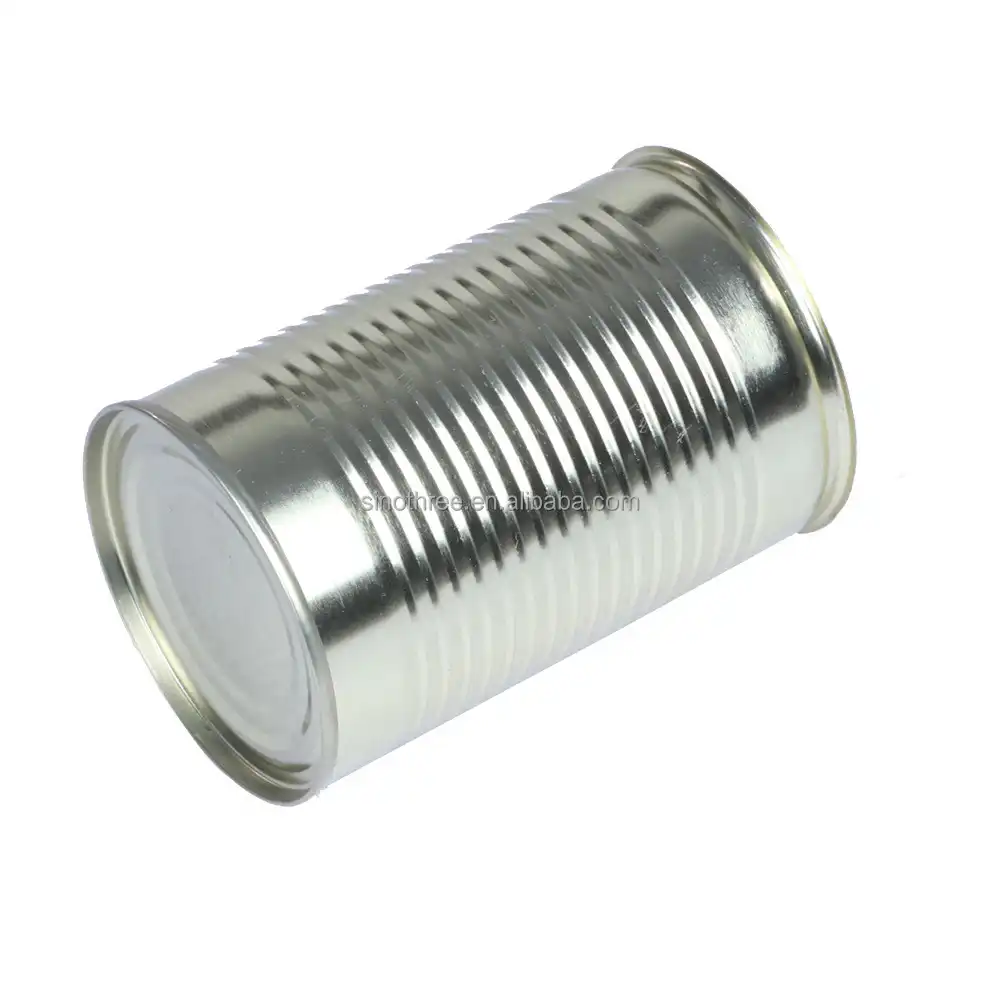
These containers are the workhorses of the meat preservation industry because they can be used for a wide range of tasks. With widths from 65.4mm to 99mm and heights that can be changed, they can hold a wide range of product amounts, from single-serving pieces to family-sized meals. The TFS (Tin-Free Steel) construction makes it very durable while still being cost-effective for large production runs. Wall thicknesses between 0.18 mm and 0.22 mm provide the best protection without using too much material, which raises the cost of shipping. You can choose between golden and aluminium finishes for the internal treatment, which can be applied in either a single or double layer arrangement. This gives makers the freedom to make products that meet the needs of specific groups of people, whether they are trying to reach high-end customers or budget-conscious shoppers. The design of the round form makes production more efficient and evens out the heat during reaction processing. This feature of the design makes sure that the whole amount of the product is sterilised evenly, so there are no safety worries about parts that aren't fully processed. Quality approval, such as ISO9001 compliance, shows that the company's production is consistent and reliable, which is something that purchasing managers look for when they want to build long-term relationships with suppliers. Free samples make it possible to test and confirm everything thoroughly before committing to full production volumes.
Rectangular Block Meat Containers
Empty Cans for Meat. Specialised rectangular shapes work best in situations that need the best logistics density and accuracy in product presentation. Solid block foods like luncheon meat, corned beef, and other pressed meat preparations can go in these containers. The rectangular shape makes the best use of each box during storage and transport, which lowers the cost of shipping each item and makes warehouse management easier. Trapezoidal variations can fit certain product shapes that make it easier to control portions and serve. Modern "meat release" coatings have FDA-approved oils inside them that make sure the product is extracted cleanly and without any damage or waste. This feature is very important for high-end block products because the way they look has a direct effect on how well people accept them. Rigid structural engineering keeps structures from deforming while they are being stacked, which keeps packages intact throughout complex distribution networks. Higher internal pressures are created when dense protein masses are heated up, and the stronger sidewalls can handle them. Custom printing lets you use complex branding strategies while keeping the integrity of the coating, which meets food safety standards. CMYK offset printing technology makes it possible to print images with photographic quality that sets goods apart in stores with lots of other products.
Easy-Open End Meat Cans
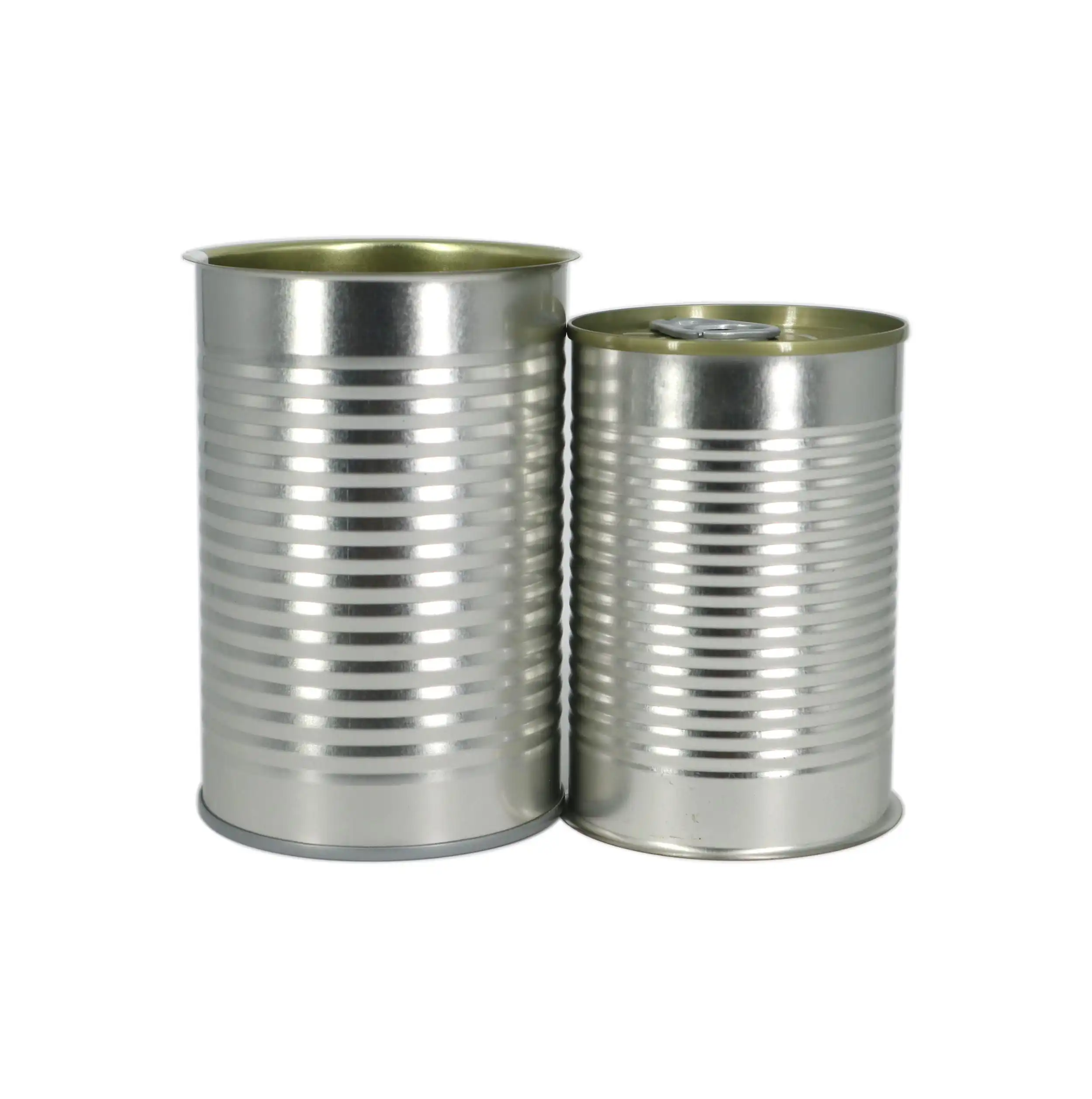
The need for easy-open setups that do away with the need for different can-opening tools is driven by consumer ease. These special containers have built-in tab systems that make opening them reliable while keeping the integrity of the hermetic seal. The technical task is to find a balance between the needs for opening force and seal strength. To get the best designs, you need to be able to precisely control the depth of the score lines, the strength of the tab attachments, and how well the rivets work in different temperature conditions. Sulfur-resistant varnish systems are especially useful in easy-open applications where the surface is exposed for a long time while the application is being opened. Advanced formulations stop discolouration or the development of off-flavours that could change how people think about the product. Quality control methods look at different ways something could go wrong, like tabs coming apart, opening patterns that aren't full, or the seal being broken during transport. Real-life usage scenarios are simulated in detail during rigorous testing to make sure that speed is the same for all types of customers. Manufacturing partnerships with top-end suppliers give you access to cutting-edge opening technologies while keeping costs low, which is important for getting into the mass market. With integrated supply chain management, the number of parts and quality differences is cut down.
Global Market Characteristics and Regulatory Landscape
International rules on meat packaging make it hard to follow the rules, which affects the specs of containers and tactics for getting into new markets. Manufacturers can make sure their product lines are best for a wide range of markets by understanding how things vary in different areas. North American Standards: The FDA's rules put a lot of weight on chemical migration limits and material safety certifications. As people become more aware of BPA-NI (Non-Intent) issues, it becomes more important to follow the rules. Documentation and tracking tools for industrial processes are affected by HACCP regulations. Needs of the European Union: Tough rules on sustainability encourage the use of reusable materials and less damage to the environment over the whole lifetime of a product. Extended Producer Responsibility (EPR) rules affect how packaging is designed and how it is handled at the end of its useful life. Thoughts on the Asia-Pacific Region: Rapid market growth creates a need for solutions that are both cheap and meet the same quality standards as established markets. When area sellers can make things locally, they can save money on shipping costs and price risks. Chances in emerging markets: As more people move to cities, they need easy-to-find protein sources, which means that developing economies have a lot of room to grow. Because of limitations in infrastructure, packaging needs to be strong enough to handle rough shipping conditions without refrigeration. Cultural tastes affect how big a package is, how it opens, and how it looks, all of which affect design specs. Targeted product development strategies are possible when you know about the area's tastes and purchasing trends.
Advanced Materials and Coating Technologies
Tin-Free Steel Advantages
Modern TFS production is better at resisting rust than old-fashioned tinplate, and it also uses fewer materials and has less of an effect on the environment. The chromium-based passivation layer makes it easy for internal coatings to stick while still letting the can be shaped during the manufacturing process. Electrolytic chromium coating gets rid of the need for tin mining and gives the surface uniform qualities that make the covering work better. This choice of material supports efforts to be more environmentally friendly without sacrificing the functionality needed for meat preservation applications.
Specialised Internal Coatings
Modern lacquer systems have many useful layers that work together to solve specific problems in meat packing. Base coats help things stick together and protect against rust. Topcoats, on the other hand, have special qualities like being able to release meat and prevent stains. Adding zinc oxide stops sulphur compounds from reacting with steel substrates before they can turn black, which hurts the look of the product. Adding aluminium paste improves the protective qualities and gives the product a nice look that helps with expensive marketing strategies. Formulations that are resistant to heat stay together during long reaction cycles and stop chemicals from moving around, which could change the taste or safety of the food. These layers allow for strong sterilisation methods that protect against microbes without breaking the package.
Purchasing Recommendations and Procurement Strategies
Empty Cans for Meat: To successfully buy meat packing, you need to find a balance between technical performance needs and business concerns like managing costs, making sure the supply chain is reliable, and being able to ensure quality.Volume Planning Things to Think About: To set the right amount of inventory, you need to know how seasonal changes in demand affect production schedules and how long it takes for suppliers to deliver goods. Bulk buying deals often save money, but they need to be able to store the goods properly and handle cash flow. Protocols for quality assurance: Consistent performance is ensured by thorough testing processes, which also find possible problems before they affect output plans. Supplier approval programs check that a company can make things and that its quality system works well. Managing risks in the supply chain: Diversifying your supplier bases lowers the risk of disruption while keeping prices competitive. Regional buying strategies take cost into account while also meeting the needs for reliable transportation and quick reaction times. Technical Support Requirements: Creating partnerships with suppliers who offer full technical support makes it possible to improve can specs for specific uses. This way of working together often finds ways to make things better that are better for both performance and cost-effectiveness.
Conclusion
To choose the best empty cans for meat, you need to carefully think about the material specs, covering methods, and the needs of the specific application. Quality containers are the basis for successful meat preservation strategies. They also help brands stand out and help them grow their markets. Leading suppliers in this specialised market segment can be told apart by their advanced manufacturing skills, wide range of certifications, and technical support services. Investing in high-quality package solutions pays off in the long run by improving product quality, extending shelf life, and making customers happier, all of which lead to long-term business growth.
FAQ
What prevents meat from discolouring when it contacts the can surface?
Advanced sulfur-resistant lacquer systems incorporate zinc oxide compounds that chemically bind sulfur molecules released during protein cooking processes. These specialised coatings prevent iron sulfide formation that causes unsightly black staining, maintaining product visual appeal throughout extended storage periods.
How do coating specifications differ between various meat products?
Coating selection depends on specific product characteristics, including pH levels, fat content, and processing temperatures. High-acid marinades require acid-resistant epoxy-phenolic systems, while low-acid meat products utilise standard aluminium-based formulations optimised for protein contact applications.
What quality certifications should manufacturers prioritise when selecting suppliers?
Essential certifications include ISO9001 for quality management systems, HACCP for food safety protocols, and FDA approval for material compliance. Additional certifications, such as BRC Global Standards and SGS testing verification, provide enhanced confidence in supplier capabilities and product consistency.
How do easy-open ends maintain seal integrity while providing convenient access?
Precision engineering controls score line depth and tab attachment strength to balance opening force requirements with hermetic seal performance. Advanced manufacturing processes ensure consistent score geometry that enables reliable opening without compromising package integrity during distribution and storage.
Industry Trends and Summary
The meat packaging industry continues evolving toward sustainable solutions that balance environmental responsibility with performance requirements. Recyclable materials gain prominence while advanced coating technologies enable reduced wall thickness without compromising protection capabilities. Digitalisation transforms supply chain management through improved traceability and quality monitoring systems. Consumer convenience demands drive innovation in opening mechanisms and portion sizing options that support changing lifestyle patterns and demographic preferences.
Partner with Three for Premium Empty Cans for Meat Solutions
Three stands as your trusted Empty Cans for Meat manufacturer, delivering world-class packaging solutions that elevate your meat products to new performance standards. Our advanced production facilities spanning over 270,000 square meters house cutting-edge German, Japanese, and Swiss equipment capable of producing 600 million cans annually. With ISO9001, SGS, and CE certifications, we provide comprehensive technical support backed by mature R&D capabilities and robust financial stability. Contact our expert team at info@threefoodcan.com to discover customised packaging solutions that transform your meat preservation strategy and capture new market opportunities.
References
1. Smith, J.R., & Johnson, M.K. (2023). Advanced Food Can Manufacturing: Materials and Processes for Meat Packaging Applications. International Packaging Technology Press.
2. Williams, A.L. (2022). "Coating Technologies in Metal Food Packaging: Preventing Protein-Metal Interactions." Journal of Food Packaging Science, 45(3), 234-251.
3. European Food Safety Authority. (2023). Guidelines for Metal Food Contact Materials in Meat Processing Applications. EFSA Publications Office.
4. Chen, L.M., Rodriguez, P.J., & Thompson, K.S. (2024). "Sustainable Innovations in Tin-Free Steel Food Packaging." Packaging Technology International, 67(2), 112-128.
5. International Food Packaging Association. (2023). Global Standards for Retort-Compatible Metal Containers in Protein Applications. IFPA Technical Manual.
6. Davis, R.P., & Morrison, S.T. (2022). Supply Chain Optimisation in Industrial Food Packaging: A Comprehensive Guide to Procurement and Quality Management. Manufacturing Excellence Publications.
YOU MAY LIKE