

Are 400g Tin Cans for Food Eco-Friendly Packaging Options?
2026-06-24
In today's packaging landscape, businesses face mounting pressure to reduce environmental impact while maintaining product quality and safety. Are 400g Tin Cans for Food truly eco-friendly packaging options? The answer is a resounding yes. These containers offer exceptional recyclability rates of 70-90%, minimal energy consumption during production, and infinite reusability without quality degradation, making them superior sustainable choices compared to plastic alternatives that suffer from single-digit recycling rates and contribute significantly to landfill waste. For food manufacturers seeking reliable, cost-effective, and environmentally responsible packaging solutions, understanding the comprehensive benefits of 400g Tin Cans for Food becomes essential to making informed decisions that protect both products and the planet.
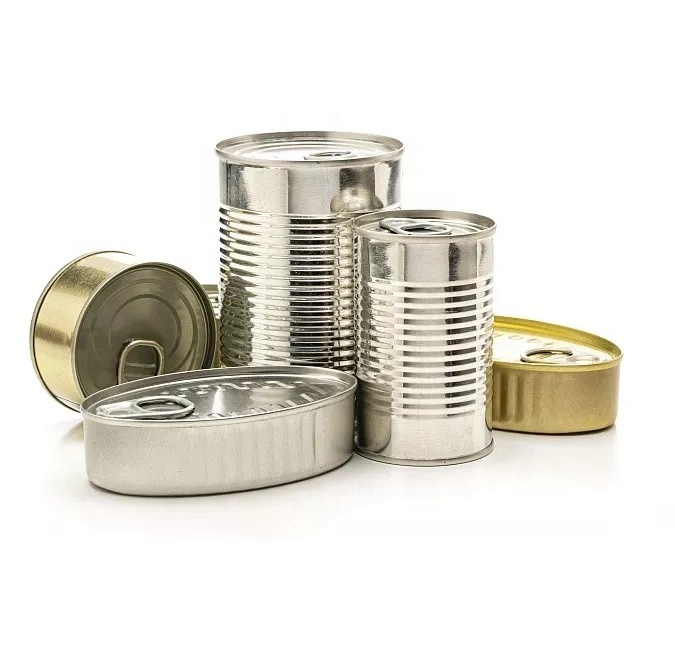
Understanding the Environmental Benefits of 400g Tin Cans for Food
The environmental advantages of 400g Tin Cans for Food extend far beyond simple recyclability, encompassing multiple dimensions of sustainability that make them exceptional choices for conscientious food manufacturers. These metal containers are primarily constructed from tinplate, which consists of thin steel sheets coated with a protective tin layer, creating packaging that combines strength, corrosion resistance, and environmental responsibility in a single solution. The material composition itself represents a significant environmental advantage because tinplate requires substantially less energy to produce compared to virgin aluminum or glass alternatives, while still delivering superior protection for food products. What truly distinguishes 400g Tin Cans for Food as eco-friendly packaging options is their remarkable position within the circular economy framework. Unlike plastic containers that degrade in quality with each recycling cycle and typically achieve global recycling rates below 9%, metal food cans maintain their structural integrity and material properties through unlimited recycling loops. When properly collected and processed, these containers can be melted down and reformed into new cans, automotive components, construction materials, or appliances without any loss in quality or performance characteristics. This closed-loop recycling system means that a single 400g Tin Can for Food purchased today could potentially serve humanity indefinitely through continuous remanufacturing cycles, dramatically reducing the demand for virgin raw material extraction and the associated environmental costs of mining operations.
The production process for 400g Tin Cans for Food has also evolved to minimize environmental impact through technological advancement and manufacturing efficiency improvements. Modern facilities like those operated by Shandong Three Iron-Printing & Tin-Making Co., Ltd. utilize state-of-the-art equipment imported from Germany, Japan, Switzerland, and Italy to optimize material usage, reduce waste generation, and decrease energy consumption per unit produced. These manufacturing innovations mean that contemporary food-grade tinplate cans require significantly less energy and generate fewer greenhouse gas emissions during production compared to both their historical predecessors and many alternative packaging materials currently available in the market.
Recyclability and Material Recovery Rates
The recyclability profile of 400g Tin Cans for Food represents one of their most compelling environmental advantages, with recovery and reprocessing systems achieving efficiency levels that far surpass those of competing packaging materials. Industry data consistently demonstrates that steel and tin cans achieve recycling rates between 70% and 90% annually, positioning them among the most successfully recovered packaging products worldwide. This exceptional performance stems from multiple factors, including the economic value of scrap metal that incentivizes collection efforts, the magnetic properties of steel that facilitate automated sorting in recycling facilities, and the well-established infrastructure for metal recovery that has developed over decades of industrial recycling practice. The recycling process for 400g Tin Cans for Food follows a straightforward yet highly effective pathway that begins with consumer disposal into designated recycling streams. Once collected, these containers pass through sorting facilities where magnetic separation systems quickly identify and extract steel-based cans from mixed recyclable materials. The separated cans then undergo cleaning processes to remove labels, coatings, and residual food particles before being shredded into small pieces and melted in industrial furnaces. The molten metal is subsequently formed into sheets or ingots that manufacturers can use to create new food cans or diverse metal products, completing the circular material flow that defines sustainable packaging systems.
Quality preservation throughout recycling cycles distinguishes 400g Tin Cans for Food from many alternative packaging materials that suffer degradation with repeated processing. While recycled plastics often exhibit reduced strength, clarity, or purity that limits their applications in subsequent product generations, recycled tinplate maintains the same structural properties, corrosion resistance, and food safety characteristics as virgin material. This quality consistency means that manufacturers like Shandong Three Iron-Printing & Tin-Making Co., Ltd. can confidently incorporate recycled tinplate into their production processes, creating food-grade containers with specifications including 0.18mm-0.22mm TFS material thickness, BPA-free interior coatings, and hermetic sealing capabilities that meet international standards including ISO9001:2015, HACCP, and BRC Global Standard for Packaging Materials certifications.
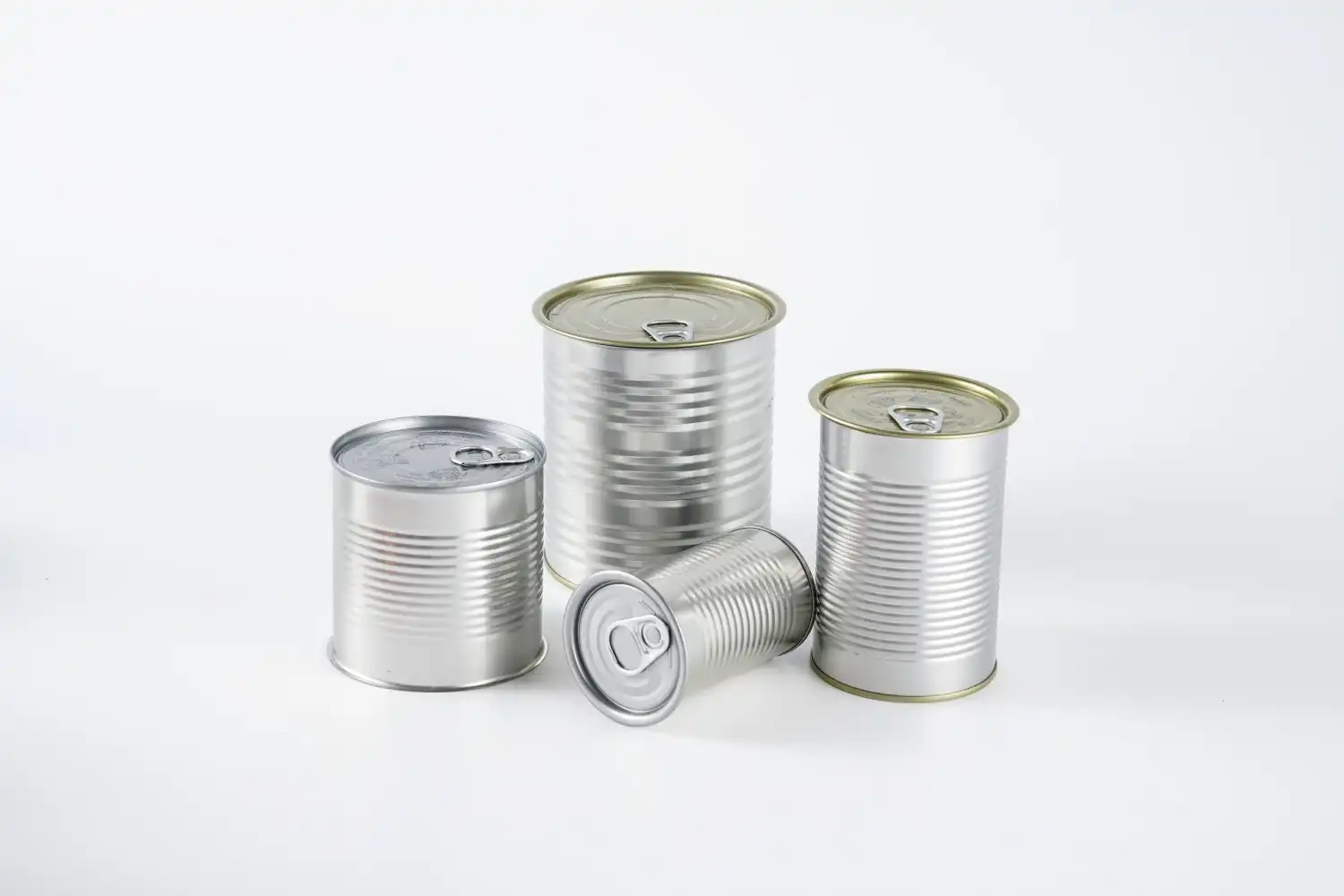
Comparing 400g Tin Cans for Food with Alternative Packaging Materials
When evaluating eco-friendly packaging options, direct comparison between 400g Tin Cans for Food and alternative materials reveals significant performance differences across environmental impact metrics, functional capabilities, and long-term sustainability considerations. Plastic containers, despite their lightweight properties and initial cost advantages, present substantial environmental challenges that undermine their suitability for eco-conscious packaging strategies. The fundamental problem with plastic packaging lies in its petroleum-based composition, which requires fossil fuel extraction and chemical processing that generate significant greenhouse gas emissions and environmental pollution. Beyond production impacts, plastic packaging suffers from dismally low recycling rates, with global statistics indicating that only approximately 9% of plastic waste undergoes recycling, while the remainder accumulates in landfills, contaminates natural ecosystems, or releases harmful gases through incineration processes. Glass packaging represents another common alternative that offers complete recyclability and inert material properties that prevent chemical migration into food products. However, glass containers carry their own environmental burdens that limit their overall sustainability performance. The production of glass requires heating raw materials to extreme temperatures approaching 2500 degrees Celsius, consuming vast amounts of energy and generating substantial carbon emissions. Additionally, glass's significant weight creates transportation inefficiencies, as moving glass-packaged products requires more fuel per unit compared to lightweight metal alternatives, thereby increasing the total carbon footprint across supply chain operations. While glass excels in certain premium applications where transparency and chemical inertness provide critical advantages, 400g Tin Cans for Food typically offer superior environmental performance when considering the complete lifecycle from production through distribution and end-of-life management.
Aluminum packaging shares many environmental advantages with tinplate containers, including high recyclability and material recovery rates, but aluminum production carries distinctive environmental costs that merit consideration. Creating new aluminum from bauxite ore involves energy-intensive mining, refining, and electrolysis processes that consume substantially more power than tinplate manufacturing. Although recycled aluminum requires only 4-8% of the energy needed to produce virgin material, the initial production burden remains significant. In contrast, 400g Tin Cans for Food manufactured from tinplate offer comparable protective properties, excellent recyclability, and generally lower production energy requirements, particularly when sourced from manufacturers like Shandong Three Iron-Printing & Tin-Making Co., Ltd. that maintain efficient, high-volume production capabilities with annual outputs reaching 600 million cans supported by advanced equipment from Soudronic and BMV.
Environmental Impact Through Product Lifecycle
Comprehensive environmental assessment of 400g Tin Cans for Food requires examining impacts across the complete product lifecycle, from raw material extraction through manufacturing, distribution, use, and eventual recycling or disposal. The lifecycle begins with steel production, which, while energy-intensive, benefits from the steel industry's long-established recycling infrastructure and the inherent recyclability of ferrous metals. Modern steel manufacturing increasingly incorporates recycled content, reducing the environmental burden of virgin ore extraction and primary metal production. The tin coating applied to steel substrate requires additional processing, but the thin layer necessary for corrosion protection represents minimal material consumption relative to the overall container mass. Manufacturing processes for 400g Tin Cans for Food at facilities like Shandong Three Iron-Printing & Tin-Making Co., Ltd. demonstrate how technological advancement reduces environmental impact through improved efficiency. The company's imported production lines from Germany, Japan, Taiwan, Switzerland, and Italy represent state-of-the-art manufacturing technology that optimizes material usage, minimizes waste generation, and reduces energy consumption per unit produced. These systems can produce containers with precise specifications including 72.9mm diameter, customizable heights from 104mm to 116mm, and consistent wall thickness between 0.18mm and 0.22mm, ensuring minimal material waste while maintaining structural integrity and protective capabilities. The application of food-grade coatings, whether golden or aluminum finish in single or double coating configurations, occurs through controlled processes that limit overspray and chemical waste.
Distribution phase environmental impacts favor 400g Tin Cans for Food due to their favorable strength-to-weight ratio and stackable design that optimizes transportation efficiency. While heavier than plastic alternatives, metal food cans offer superior compression resistance that allows safe, stable stacking in shipping containers and warehouse storage, maximizing space utilization and reducing the number of transport vehicles required per unit of product delivered. The containers' cylindrical shape with diameters around 72.9mm and standardized heights facilitates efficient packing configurations that minimize wasted cargo space. Additionally, the durability of tinplate packaging reduces product damage during shipping and handling, preventing food waste that would otherwise result from package failures and the associated environmental costs of producing replacement products.
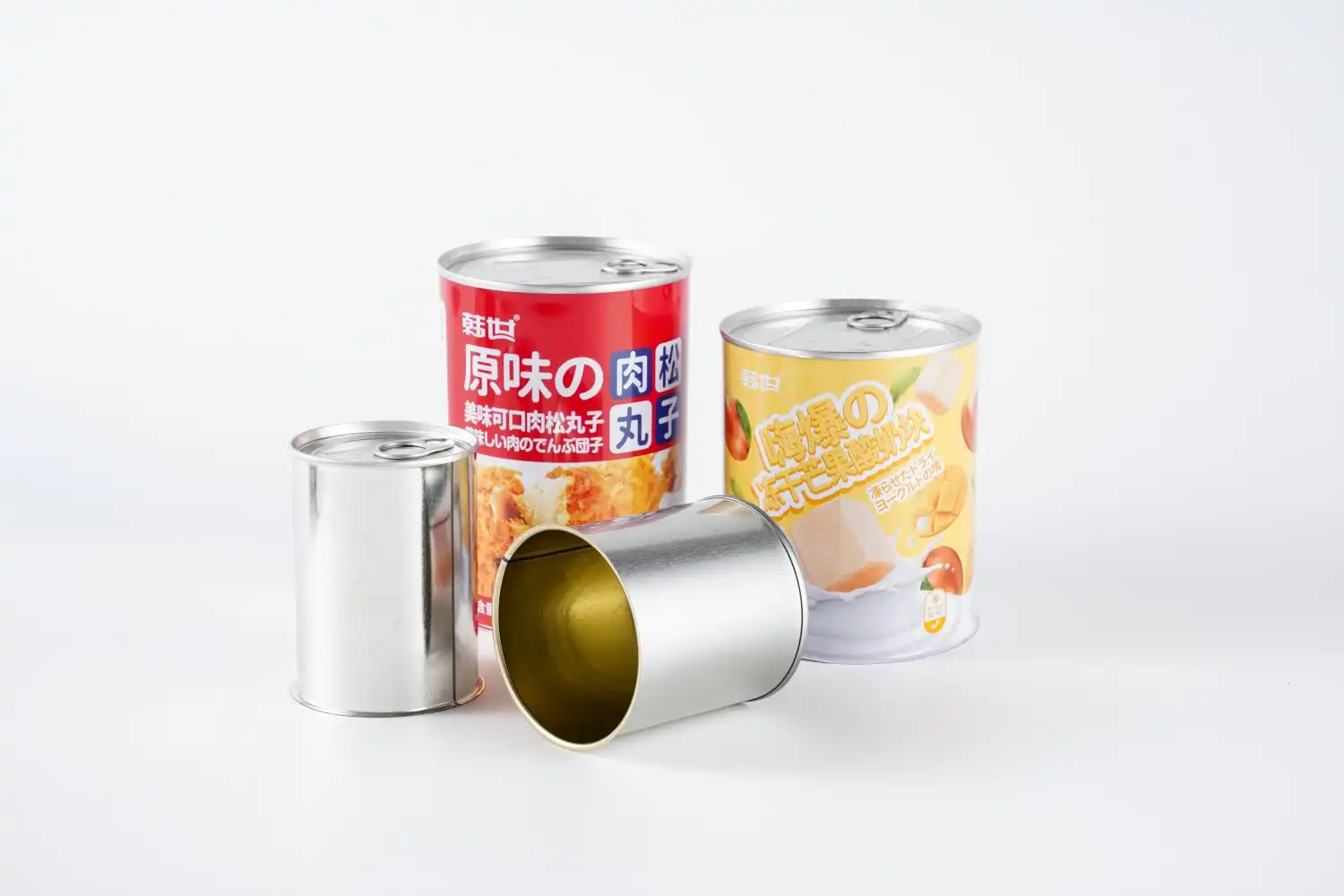
Product Safety and Food Preservation with 400g Tin Cans for Food
Environmental sustainability extends beyond material recyclability to encompass waste prevention through effective food preservation, an area where 400g Tin Cans for Food demonstrate exceptional performance that directly contributes to their eco-friendly credentials. The fundamental protective properties of metal packaging create hermetic sealing capabilities that prevent oxygen infiltration, moisture transmission, and light exposure—the primary factors that accelerate food degradation and spoilage. When food products are sealed within properly manufactured 400g Tin Cans for Food, the airtight barrier prevents microbial growth, oxidative reactions, and enzymatic breakdown that would otherwise compromise nutritional value, sensory quality, and food safety. This extended shelf life translates directly into reduced food waste, as consumers and retailers can store canned products for extended periods without deterioration, ensuring that agricultural resources, processing energy, and distribution efforts invested in food production deliver maximum utility. The material composition of 400g Tin Cans for Food provides multiple protective mechanisms that work synergistically to preserve food quality. The steel substrate offers structural rigidity that prevents crushing damage and maintains container integrity throughout distribution and storage. The tin coating prevents corrosion and inhibits metal-food interactions that could affect taste or safety. Modern BPA-free interior coatings applied by manufacturers like Shandong Three Iron-Printing & Tin-Making Co., Ltd. create an additional barrier that prevents direct food-metal contact while maintaining food-grade safety standards certified through ISO9001:2015, HACCP, and BRC Global Standard for Packaging Materials compliance. These multi-layer protective systems ensure that canned foods retain nutritional content, sensory characteristics, and microbial safety for extended periods, often measured in years rather than weeks or months typical of alternative packaging formats.
Food preservation capabilities of 400g Tin Cans for Food extend environmental benefits beyond immediate waste reduction to encompass broader supply chain efficiency improvements. Extended shelf life enables manufacturers to optimize production scheduling, reducing the need for rush production runs and emergency distribution that consume additional energy and resources. Retailers benefit from reduced inventory turnover pressure and minimized spoilage losses that otherwise result in discarded products and wasted resources. Consumers gain flexibility in purchase timing and consumption patterns, reducing household food waste resulting from products expiring before use. Collectively, these preservation advantages position 400g Tin Cans for Food as environmental assets that contribute to sustainability goals through waste prevention mechanisms that complement their excellent end-of-life recyclability performance.
Technical Specifications Supporting Eco-Friendly Performance
The technical specifications of 400g Tin Cans for Food directly influence their environmental performance across multiple dimensions, from material efficiency through recyclability to protective capabilities that prevent food waste. Container dimensions including 72.9mm diameter and customizable heights ranging from 104mm to 116mm represent optimized designs that balance material consumption against protective requirements and consumer convenience. The round cylindrical shape provides maximum strength-to-weight ratio, allowing manufacturers to achieve necessary structural performance with minimal material thickness, typically between 0.18mm and 0.22mm for TFS (Tin-Free Steel) substrate material. This efficient material usage reduces the environmental burden of raw material extraction, processing, and transportation while maintaining container integrity throughout the product lifecycle. Material selection for 400g Tin Cans for Food reflects careful consideration of environmental impact, functional performance, and recyclability requirements. TFS substrate material offers excellent formability, corrosion resistance, and recyclability characteristics while eliminating the need for traditional tin coating, thereby reducing processing steps and associated environmental costs. The application of food-grade interior coatings using golden or aluminum finishes in single or double coating configurations protects both the container and contents while maintaining BPA-free formulations that address consumer health concerns and simplify recycling processes. These coating systems bond chemically to the metal substrate, creating durable barriers that withstand processing, distribution, and storage conditions without flaking, chipping, or contaminating food products.
Customization capabilities offered by manufacturers like Shandong Three Iron-Printing & Tin-Making Co., Ltd. enhance the environmental profile of 400g Tin Cans for Food by enabling precise specification matching that eliminates unnecessary material usage or over-engineering. The company's CMYK offset printing technology allows custom exterior graphics that support brand messaging and consumer communication without requiring separate labels or secondary packaging components. Hermetic sealing systems using 300# easy-open ends provide convenient consumer access while maintaining the airtight protection critical for food preservation and waste prevention. The combination of optimized dimensions, efficient materials, protective coatings, and functional closure systems creates packaging solutions that deliver environmental performance through thoughtful engineering rather than simply material selection alone.
Industry Certifications and Quality Standards for Sustainable Production
Credible environmental claims for 400g Tin Cans for Food require verification through independent certification and adherence to recognized quality standards that ensure manufacturing processes align with sustainability principles and food safety requirements. International certifications such as ISO9001:2015 provide systematic frameworks for quality management that promote resource efficiency, waste minimization, and continuous improvement in production operations. Manufacturers like Shandong Three Iron-Printing & Tin-Making Co., Ltd. that maintain ISO9001:2015 certification demonstrate organizational commitment to standardized processes, documented procedures, and regular auditing that support consistent production quality while identifying opportunities for environmental performance enhancement. Food safety certifications including HACCP (Hazard Analysis and Critical Control Points) and BRC Global Standard for Packaging Materials extend quality assurance beyond general manufacturing excellence to address specific contamination risks and material suitability concerns relevant to food contact applications. These certifications require manufacturers to implement comprehensive monitoring systems that track raw material quality, processing conditions, equipment maintenance, and finished product testing throughout production operations. For 400g Tin Cans for Food, such systems ensure that container materials, coatings, and manufacturing processes maintain food-grade standards that prevent contamination, preserve product quality, and support the extended shelf life critical for waste reduction and environmental sustainability. The rigorous documentation and third-party verification inherent in these certification programs provide assurance that environmental and safety claims reflect actual manufacturing practices rather than unsubstantiated marketing assertions.
Additional certifications held by reputable manufacturers further strengthen the environmental credentials of 400g Tin Cans for Food. ISO14001:2004 International Environmental Management System certification specifically addresses environmental performance, requiring organizations to identify environmental impacts, establish improvement objectives, implement control measures, and monitor results through systematic management approaches. Shandong Three Iron-Printing & Tin-Making Co., Ltd.'s certification through SGS, an internationally recognized testing and certification organization, provides independent verification of compliance with environmental standards and product specifications. The company's FDA approval and CE marking demonstrate adherence to regulatory requirements in major markets including the United States and European Union, ensuring that 400g Tin Cans for Food meet stringent safety and environmental standards across diverse regulatory jurisdictions.
Conclusion
The comprehensive evaluation clearly demonstrates that 400g Tin Cans for Food represent genuinely eco-friendly packaging options through exceptional recyclability, energy-efficient production, and superior food preservation capabilities that collectively minimize environmental impact across complete product lifecycles.
Cooperate with Shandong Three Iron-Printing & Tin-Making Co., Ltd.
As a leading China 400g Tin Cans for Food manufacturer, China 400g Tin Cans for Food supplier, and China 400g Tin Cans for Food factory, Shandong Three Iron-Printing & Tin-Making Co., Ltd. delivers High Quality 400g Tin Cans for Food through advanced facilities spanning 270,000 square meters in Linyi Economic and Technological Development Zone. Our 400g Tin Cans for Food wholesale and 400g Tin Cans for Food for sale options feature competitive 400g Tin Cans for Food price structures backed by annual production capacity of 600 million cans utilizing imported equipment from Germany, Japan, Switzerland, and Italy. With ISO9001:2008/ISO14001:2004, SGS, BPA, and CE certifications, we export globally to USA, Germany, Poland, Russia, Vietnam, Indonesia, Thailand, Mongolia, and Cambodia. Our mature R&D team, technical support, strong financial backing, large inventory, and complete certificates ensure reliable delivery of customizable, eco-friendly packaging solutions with seamless construction, recyclable materials, and stackable designs. Contact us at info@threefoodcan.com to request samples and discover how our advanced production facilities and experienced team deliver top-notch sustainable packaging that elevates your brand presence.
References
1. "Sustainability in Packaging: Environmental Benefits of Metal Food Containers" - Smith, C.L. et al., Journal of Sustainable Packaging Research
2. "Comparative Life Cycle Assessment of Food Packaging Materials" - Environmental Protection Agency, Packaging Materials Division
3. "Tinplate Recyclability and Circular Economy Performance" - International Steel Industry Association, Sustainability Working Group
4. "Food Preservation Technologies and Waste Reduction Strategies" - Johnson, M.R. & Williams, T.K., Food Science and Technology International
5. "Eco-Friendly Packaging Materials: Performance and Environmental Impact Analysis" - Zhang, H. & Chen, L., International Journal of Environmental Studies
YOU MAY LIKE