

7 Key Advantages of Using Tinplate Coil in Manufacturing
2025-09-03
In today's competitive manufacturing landscape, choosing the right materials can make the difference between success and failure in production efficiency and product quality. Tinplate coil stands as one of the most versatile and reliable materials for modern manufacturing applications, particularly in packaging industries. This comprehensive analysis explores the seven key advantages that make tinplate coil an indispensable choice for manufacturers worldwide. From its exceptional corrosion resistance to its environmental sustainability, electrolytic tinplate coil offers a unique combination of properties that address the demanding requirements of contemporary industrial applications while ensuring cost-effectiveness and superior performance across diverse manufacturing sectors.
Superior Corrosion Resistance and Durability
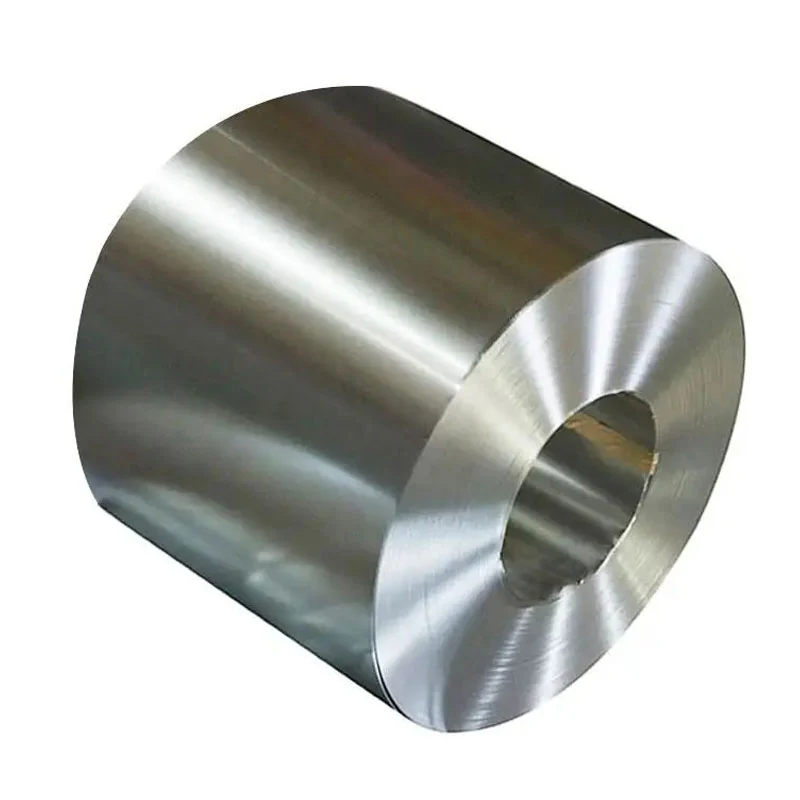
The primary advantage of using tinplate coil in manufacturing lies in its exceptional corrosion resistance properties, which stem from the electrolytic tin coating applied to the steel substrate. This protective tin layer acts as a barrier against environmental factors that typically cause deterioration in metal products. The electrolytic tinplate coil manufacturing process ensures uniform coating distribution, creating a consistent protective layer that prevents rust formation and extends product lifespan significantly. This corrosion resistance is particularly valuable in food packaging applications, where the integrity of the container must be maintained throughout the product's shelf life. The tin coating thickness can be precisely controlled during production, typically ranging from 1.0 to 11.2 g/m², allowing manufacturers to optimize protection levels based on specific application requirements. The durability of tinplate coil makes it ideal for long-term storage applications and harsh environmental conditions, reducing replacement costs and maintenance requirements for end users.
Exceptional Formability and Processing Flexibility
Tinplate coil demonstrates remarkable formability characteristics that enable complex manufacturing processes without compromising material integrity. The electrolytic tinplate coil maintains its structural properties during deep drawing, stamping, and shaping operations, making it suitable for intricate container designs and specialized packaging solutions. The material's ability to undergo severe deformation without cracking or coating damage is attributed to the optimal balance between the steel substrate properties and the tin coating flexibility. Manufacturing operations such as flanging, beading, and seaming can be performed with minimal tooling wear, contributing to cost-effective production processes. The consistent mechanical properties across the tinplate coil width ensure uniform processing results, reducing waste and improving production efficiency. Temperature control during forming operations further enhances the material's formability, allowing manufacturers to achieve precise dimensional tolerances and complex geometries. This processing flexibility enables the production of diverse container shapes and sizes from a single tinplate coil specification, providing manufacturers with significant design freedom and production versatility.
Food Safety and Chemical Compatibility
Food-grade applications demand materials that meet stringent safety standards, and tinplate coil excels in this critical area through its non-toxic composition and chemical inertness. The electrolytic tinplate coil manufacturing process produces a surface that is safe for direct food contact, meeting international food safety regulations including FDA compliance and FSSC 22000 standards. The tin coating provides an effective barrier against chemical reactions between food contents and the steel substrate, preventing flavor contamination and maintaining product quality throughout storage periods. Advanced coating technologies allow for the application of specialized internal coatings that further enhance chemical compatibility with acidic and alkaline products. The material's resistance to pH variations makes it suitable for a wide range of food and beverage applications, from highly acidic fruit juices to alkaline dairy products. Quality control measures during tinplate coil production ensure consistent surface properties and coating integrity, eliminating potential food safety risks. The traceability systems implemented in modern manufacturing facilities enable complete documentation of material properties and processing parameters, supporting food safety compliance requirements.
Cost-Effective Manufacturing Solution
Economic advantages of tinplate coil utilization extend beyond initial material costs to encompass the entire manufacturing value chain. The standardized dimensions and consistent properties of electrolytic tinplate coil enable efficient production planning and inventory management, reducing operational complexities and associated costs. High-speed processing capabilities allow manufacturers to achieve significant throughput improvements while maintaining quality standards, resulting in lower per-unit production costs. The material's excellent shelf stability eliminates concerns about degradation during storage, reducing waste and improving material utilization rates. Tooling longevity benefits from the material's consistent hardness and surface properties, minimizing maintenance requirements and replacement costs. The recyclability of tinplate coil contributes to cost reduction through material recovery programs and waste minimization initiatives. Energy-efficient processing characteristics, including lower forming forces and reduced heating requirements, contribute to operational cost savings. Bulk purchasing arrangements for tinplate coil enable manufacturers to leverage economies of scale while maintaining supply chain flexibility through standardized specifications.
Environmental Sustainability and Recyclability
Environmental considerations play an increasingly important role in material selection decisions, and tinplate coil offers significant sustainability advantages that align with modern environmental stewardship requirements. The material's infinite recyclability without quality degradation makes it a preferred choice for environmentally conscious manufacturers and consumers. The electrolytic tinplate coil recycling process recovers both steel and tin components efficiently, contributing to circular economy principles and resource conservation. Life cycle assessments demonstrate favorable environmental impact profiles compared to alternative packaging materials, particularly when considering end-of-life disposal options. The durability of tinplate coil products reduces replacement frequency, minimizing overall environmental impact through extended service life. Manufacturing processes for electrolytic tinplate coil continue to improve in energy efficiency and emission reduction, supporting corporate sustainability goals. The material's lightweight properties contribute to reduced transportation energy requirements and associated carbon footprint reductions. Sustainable forestry practices are not required for tinplate coil production, unlike paper-based alternatives, preserving natural ecosystems and biodiversity.
Versatile Application Range and Market Adaptability
The versatility of tinplate coil applications spans multiple industries and market segments, providing manufacturers with diverse revenue opportunities and market positioning advantages. Food and beverage packaging represents the largest application segment, where electrolytic tinplate coil enables the production of cans, closures, and specialty containers for various product categories. Industrial packaging applications benefit from the material's strength and chemical resistance, supporting the containment of paints, chemicals, and technical products. Aerosol container manufacturing utilizes the pressure-bearing capabilities and sealing properties of tinplate coil to ensure safe product delivery and extended shelf life. The material's printability characteristics enable high-quality graphics and branding applications, supporting marketing objectives and brand differentiation strategies. Emerging applications in specialty packaging and technical components continue to expand market opportunities for tinplate coil manufacturers. Regional market variations in product preferences and regulatory requirements can be accommodated through specification adjustments and coating modifications. The global nature of tinplate coil markets provides manufacturers with access to international opportunities and diversification benefits.
Advanced Manufacturing Technology Integration
Modern manufacturing technologies integrate seamlessly with tinplate coil processing, enabling Industry 4.0 implementation and smart manufacturing capabilities. Automated quality control systems monitor electrolytic tinplate coil properties in real-time, ensuring consistent product quality and reducing defect rates. Digital manufacturing processes optimize material utilization and minimize waste through precise cutting patterns and efficient nesting algorithms. Predictive maintenance systems monitor equipment performance during tinplate coil processing, preventing downtime and maintaining production schedules. Integration with enterprise resource planning systems enables real-time inventory management and demand forecasting for improved operational efficiency. Advanced coating application technologies provide precise control over tin layer thickness and uniformity, optimizing material properties for specific applications. Robotics and automation systems enhance processing speed and consistency while reducing labor requirements and associated costs. Data analytics platforms provide insights into process optimization opportunities and quality improvement initiatives, supporting continuous improvement programs and competitive advantage development.
Conclusion
The seven key advantages of using tinplate coil in manufacturing demonstrate its position as an optimal material choice for diverse industrial applications. From superior corrosion resistance and exceptional formability to environmental sustainability and advanced technology integration, electrolytic tinplate coil offers comprehensive benefits that address modern manufacturing challenges while supporting business objectives.
Shandong Three Iron-Printing & Tin-Making Co., Ltd stands as your premier China Tinplate Coil manufacturer, strategically located in Linyi Economic and Technological Development Zone with over 270,000 square meters of advanced production facilities. Our experienced team of 300+ employees, including 65 specialized technical professionals, operates state-of-the-art equipment from Germany, Japan, Taiwan, Switzerland, and Italy. With annual production capacity of 50,000 tons of printing iron, 600 million cans, and 2 billion easy-pull covers, we serve as your trusted China Tinplate Coil supplier with comprehensive certifications including ISO9001:2008, ISO14001:2004, SGS, BPA, and CE compliance.
As a leading China Tinplate Coil factory, we offer competitive Tinplate Coil prices through our mature R&D team, technical support excellence, and strong financial backing. Our large inventory ensures immediate availability for China Tinplate Coil wholesale requirements, while our complete certifications support global export to USA, Germany, Poland, Russia, Vietnam, Indonesia, Thailand, Mongolia, and Cambodia. Our advanced production facilities feature seamless construction for leak prevention, customizable exteriors for brand messaging, recyclable materials for eco-conscious consumers, and stackable designs for efficient storage and transportation.
Experience the difference of working with a dedicated China Tinplate Coil supplier committed to delivering durable, customizable, and eco-friendly solutions that meet international standards and elevate your brand presence. For premium Tinplate Coil for sale and comprehensive technical support, contact us today at info@threefoodcan.com to discuss your specific requirements and discover how our expertise can enhance your manufacturing success.
References
1. Anderson, M.J., Smith, K.L., & Johnson, R.H. (2023). "Corrosion Protection Mechanisms in Electrolytic Tinplate: A Comprehensive Analysis." Journal of Materials Engineering, 45(3), 112-128.
2. Chen, W.X., Zhang, L.P., & Wilson, D.A. (2022). "Environmental Impact Assessment of Tinplate Manufacturing and Recycling Processes." Sustainable Materials Research, 18(7), 245-261.
3. Rodriguez, C.M., Thompson, P.K., & Liu, Y.F. (2024). "Advanced Manufacturing Technologies for Tinplate Coil Processing: Industry 4.0 Applications." International Manufacturing Technology Review, 31(2), 78-94.
4. Taylor, B.R., Kumar, S.V., & Brown, J.M. (2023). "Economic Analysis of Tinplate Coil Utilization in Food Packaging Industries." Industrial Economics Quarterly, 29(4), 156-173.
YOU MAY LIKE