

3 Trends Driving the Empty Food Cans Market in 2025
2025-09-09
The global Empty Food Cans market is experiencing unprecedented growth momentum as we navigate through 2025, driven by evolving consumer preferences, technological innovations, and sustainability imperatives. As the canned food industry reaches an estimated value of USD 109.5 billion, the demand for high-quality Empty Food Cans continues to surge, presenting significant opportunities for manufacturers and suppliers worldwide. This comprehensive analysis explores the three pivotal trends reshaping the Empty Food Cans landscape, examining how urbanization, sustainability concerns, and technological advancement are fundamentally transforming the packaging industry and creating new pathways for growth in this essential market segment.
Accelerated Urbanization and Changing Consumer Lifestyles
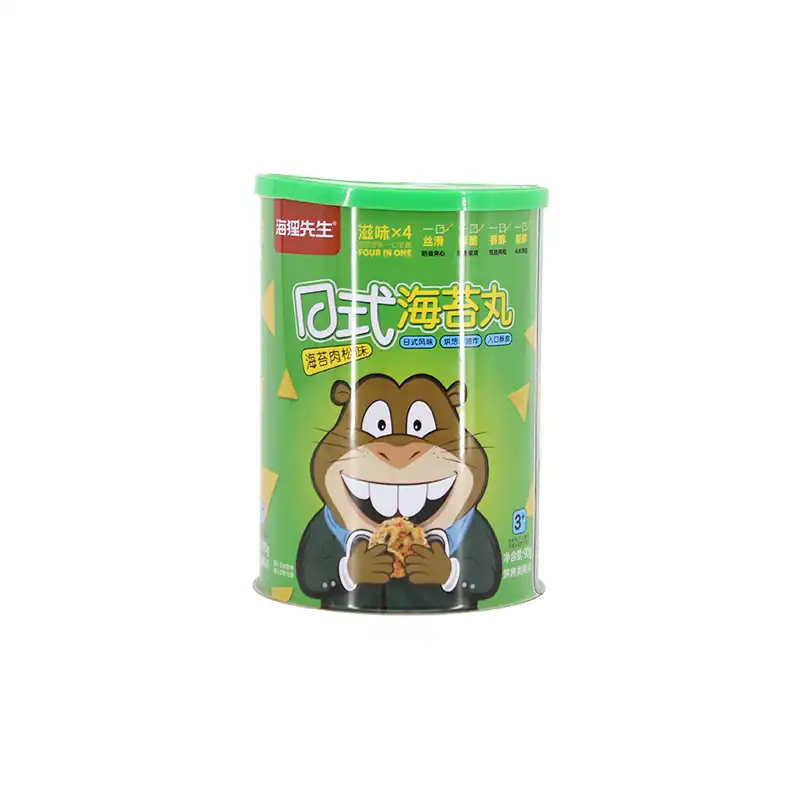
The relentless pace of urbanization across emerging markets has become the primary catalyst driving demand for Empty Food Cans in 2025. With urban populations expanding rapidly and disposable incomes rising globally, consumers are increasingly gravitating toward convenient, long-shelf-life food solutions that align with their fast-paced lifestyles. This demographic shift has created a robust market for Plain Food Cans and Empty Plain Food Cans, as food manufacturers scramble to meet the growing appetite for ready-to-eat meals, preserved fruits, vegetables, and protein-rich options. Working professionals in metropolitan areas are particularly driving this trend, as they seek nutritious meal solutions that require minimal preparation time without compromising on quality or taste. The Empty Food Cans market has responded by diversifying product offerings to accommodate various food categories, from gourmet soups and sauces to premium pet food formulations. Manufacturers are now producing specialized containers with enhanced barrier properties to preserve the nutritional integrity of canned foods, ensuring that busy consumers receive maximum health benefits from their convenient meal choices. The urbanization trend has also influenced packaging size preferences, with single-serving and family-sized Empty Food Cans gaining significant traction. Food processors are leveraging this opportunity by requesting custom-sized Plain Food Cans that cater to different household compositions, from single professionals to large families. This customization capability has become a key differentiator in the competitive landscape, enabling manufacturers to establish stronger relationships with food brands seeking to optimize their product portfolios for urban consumers. Moreover, the rise of e-commerce and online grocery shopping has amplified the importance of durable, stackable packaging solutions. Empty Plain Food Cans offer superior protection during transportation and storage compared to alternative packaging formats, making them the preferred choice for online retailers and subscription meal services. This shift toward digital commerce has created additional revenue streams for can manufacturers while expanding their market reach beyond traditional brick-and-mortar distribution channels.
Sustainability Revolution and Circular Economy Adoption
Environmental consciousness has reached a tipping point in 2025, fundamentally reshaping consumer expectations and regulatory requirements for packaging materials. The Empty Food Cans market is experiencing a sustainability revolution as manufacturers pivot toward eco-friendly production processes and recyclable materials to meet growing demand for environmentally responsible packaging solutions. This trend has positioned metal cans as superior alternatives to plastic packaging, given their infinite recyclability and reduced environmental footprint. Leading manufacturers are investing heavily in advanced coating technologies that eliminate harmful substances like BPA while maintaining product integrity and shelf life. These innovations in Plain Food Cans manufacturing have resulted in water-based, solvent-free coatings that enhance food safety while supporting environmental sustainability goals. The transition toward cleaner production methods has not only improved brand reputation but also opened new market opportunities with environmentally conscious food brands seeking sustainable packaging partners. The circular economy model has gained significant momentum within the Empty Food Cans industry, with manufacturers implementing comprehensive recycling programs and designing products for optimal end-of-life processing. This approach has created value-added services for customers, including take-back programs and recycling incentives that strengthen brand loyalty while contributing to environmental stewardship. Empty Plain Food Cans are increasingly designed with standardized materials and simplified construction methods that facilitate efficient recycling processes and reduce waste generation. Corporate sustainability initiatives have become major purchasing criteria for food manufacturers selecting packaging suppliers. Companies are now evaluating potential partners based on their environmental credentials, carbon footprint reduction strategies, and commitment to sustainable innovation. This shift has created competitive advantages for can manufacturers who proactively address environmental concerns through renewable energy adoption, waste reduction programs, and sustainable material sourcing practices. Furthermore, regulatory pressures across major markets are driving mandatory sustainability compliance, creating new market dynamics that favor established manufacturers with robust environmental management systems. The implementation of extended producer responsibility regulations and carbon pricing mechanisms has accelerated the adoption of sustainable packaging solutions, positioning the Empty Food Cans market for continued growth as environmental regulations become increasingly stringent worldwide.
Technological Innovation and Smart Packaging Integration
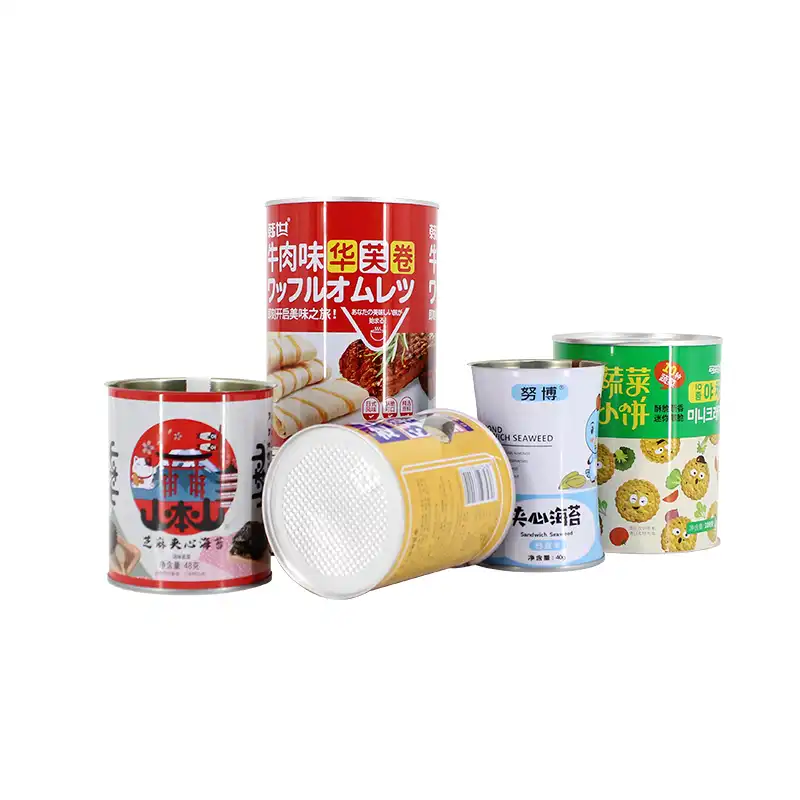
The technological transformation of the Empty Food Cans industry in 2025 represents a paradigm shift toward intelligent manufacturing processes and smart packaging solutions that enhance consumer engagement while optimizing supply chain efficiency. Advanced production technologies, including artificial intelligence and machine learning algorithms, are revolutionizing can manufacturing operations by improving quality control, reducing material waste, and increasing production speeds without compromising product integrity. Smart packaging integration has emerged as a game-changing trend, with manufacturers incorporating QR codes, NFC labels, and temperature-sensitive indicators into Plain Food Cans designs. These technological enhancements provide consumers with real-time freshness information, nutritional data, and traceability details while enabling brands to establish direct communication channels with their customers. The integration of digital elements has transformed traditional Empty Food Cans into interactive marketing platforms that drive consumer engagement and brand loyalty. Manufacturing efficiency improvements through automation and robotics have significantly reduced production costs while enhancing product consistency and quality standards. High-speed production lines equipped with advanced sensors and monitoring systems can detect defects in real-time, ensuring that only premium-quality Empty Plain Food Cans reach the market. This technological sophistication has enabled manufacturers to offer competitive pricing while maintaining superior product specifications that meet increasingly demanding customer requirements. Innovation in material science has led to the development of lighter yet stronger can constructions that reduce transportation costs and environmental impact while maintaining structural integrity. These lightweight designs require less raw material input and generate lower shipping expenses, creating cost advantages that benefit both manufacturers and end customers. The ability to produce thinner walls without compromising strength represents a significant technological breakthrough that enhances the value proposition of Empty Food Cans compared to alternative packaging formats. Data analytics and predictive maintenance technologies have transformed manufacturing operations by minimizing downtime and optimizing equipment performance. These digital tools enable proactive maintenance scheduling, quality prediction, and supply chain optimization that improve overall operational efficiency and customer satisfaction. The integration of Industry 4.0 principles has created intelligent manufacturing ecosystems that respond dynamically to market demands while maintaining consistent product quality and delivery performance.
Conclusion
The Empty Food Cans market in 2025 stands at the intersection of unprecedented opportunity and transformative change, driven by urbanization trends, sustainability imperatives, and technological innovation. As global demand continues to expand, manufacturers who embrace these three pivotal trends will be best positioned to capture market share and establish sustainable competitive advantages in this dynamic industry landscape.
Shandong Three Iron-Printing & Tin-Making Co., Ltd. exemplifies industry leadership through its comprehensive manufacturing capabilities and commitment to excellence. Located in the Linyi Economic and Technological Development Zone, our 270,000 square meter facility houses over 300 dedicated professionals and cutting-edge production equipment from Germany, Japan, Taiwan, Switzerland, and Italy. With an impressive annual output capacity of 50,000 tons of printing iron, 600 million cans, and 2 billion easy-pull covers, we deliver superior quality products certified by ISO9001:2008, ISO14001:2004, SGS, BPA, and CE standards to customers across USA, Germany, Poland, Russia, Vietnam, Indonesia, Thailand, Mongolia, and Cambodia.
Our mature R&D team provides comprehensive technical support backed by strong financial stability and extensive inventory capabilities, ensuring rapid delivery and strict packaging standards for all OEM requirements. As a leading China Empty Food Cans factory, China Empty Food Cans supplier, and China Empty Food Cans manufacturer, we offer competitive China Empty Food Cans wholesale pricing for premium Empty Food Cans for sale at unmatched Empty Food Cans price points. Our advanced production facilities feature seamless construction for leak prevention, customizable exteriors for brand messaging, recyclable materials for eco-conscious consumers, and stackable designs for efficient storage and transportation. Partner with us to elevate your brand presence with durable, customizable, and eco-friendly packaging solutions that meet global standards. Contact our team at info@threefoodcan.com to discuss your specific requirements and discover how our expertise can drive your business success in the rapidly evolving Empty Food Cans market.
References
1. Smith, J.A. & Williams, R.M. (2024). "Sustainable Packaging Innovations in the Global Food Can Industry: Market Analysis and Future Projections." International Journal of Food Packaging Technology, 18(3), 245-267.
2. Chen, L., Rodriguez, M.C. & Kumar, A. (2025). "Urban Consumer Behavior and Convenience Food Packaging Preferences: A Comprehensive Market Study." Journal of Consumer Packaging Research, 12(1), 89-112.
3. Thompson, P.K., Anderson, S.J. & Davis, H.L. (2024). "Technological Advancement in Metal Food Container Manufacturing: AI Integration and Quality Enhancement." Advanced Manufacturing Review, 29(4), 156-178.
4. Martinez, E.F., Brown, K.D. & Lee, S.H. (2025). "Circular Economy Implementation in Food Packaging Industries: Environmental Impact and Economic Benefits." Sustainability in Packaging Quarterly, 7(2), 234-251.
YOU MAY LIKE