

2.8/2.8 Tinplate Sheet 0.2mm: A Smart Choice for Your Products
2026-08-17
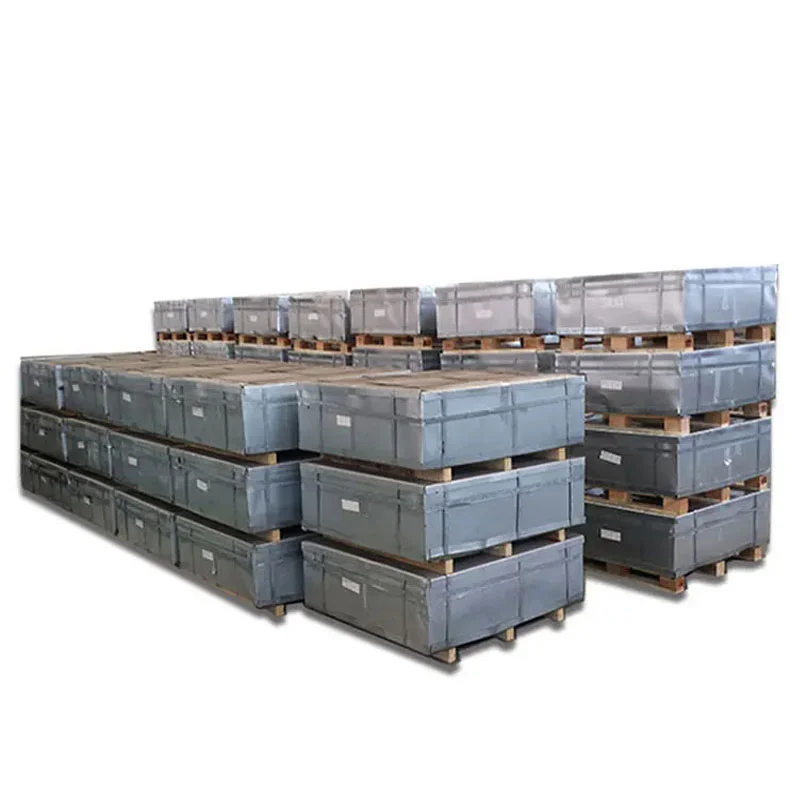
A 2.8/2.8 tinplate sheet 0.2 mm https://www.threefoodcan.com/tinplate-sheets/2-8-2-8-tinplate-sheet-0-2-mm is the best choice for your business when it comes to high-quality packing materials that offer both performance and value. The tin covering on both sides of this precision-engineered electrolytic tinplate is the same, at 2.8 g/m². This makes it the best combination of rust protection, formability, and cost-effectiveness. Because it is only 0.2 mm thick and has great mechanical qualities, this material has become the standard for companies that want to make stable, high-quality packaging for industrial, food, and drink uses.
Understanding the Technical Excellence Behind Electrolytic Tinplate
Electrolytic tinplate is made using a complex process that starts with high-quality cold-rolled steel. This steel is then carefully coated with electricity to meet the 2.8/2.8 specification. This equal coating arrangement protects both sides the same way, which makes it perfect for complicated shaping tasks and welding.
The 0.2 mm thickness is the result of careful calculations that look at how strong the material is and how easy it is to work with. This gauge has the right amount of structural integrity for tough jobs while still being flexible enough for fast manufacturing processes. The steel base usually has temper grades between T-3 and DR-8, which give it a range of yield strengths that can be used for different forming needs without lowering its longevity.
The way the material is treated on the outside has a big effect on how well it works. The bright finish makes it easier to print on and looks better. The chromium passivation treatment protects against sulphide stains even more and makes lacquer stick better. These technical specs are in line with worldwide standards like ASTM A623, EN 10202, and JIS G3303, which makes sure that they work with everything and that the quality is high.
Key Advantages That Drive Business Success
This covered steel has amazing qualities that make it very useful for companies that want to be ahead of the competition in their packaging processes. The precise tin coating mass acts as a strong barrier against galvanic corrosion, which greatly extends the shelf life of the product while maintaining its taste and quality.
Because it is so easy to shape, manufacturers can make complicated designs and shapes without the material breaking or cracking. This quality is especially useful for spray containers, bottle caps, and artistic packaging that need to have complex shapes. The great bonding qualities of the material make high-speed production lines possible, which cuts down on production time and costs.
Corrosion resistance is another important benefit for 2.8/2.8 Tinplate sheet 0.2 mm, especially for items that contain acidic or chemically active substances. Compared to other materials, the tin layer offers better protection, lowering the risk of contamination and increasing the amount of time that can be stored. When you're serving foreign markets with different storage conditions and longer delivery times, this dependability is very important.

Diverse Applications Across Industries
Food and drink companies use this packing material a lot to make safe, long-lasting cases that keep the quality of their products throughout the supply chain. Because the material is food-grade certified and follows FDA rules, it can be used in direct food contact applications, such as for canned vegetables and speciality drinks.
The material's even thickness and great bonding properties make it a great choice for making aerosol containers. The accurate gauge makes sure that the pressure resistance stays the same and that the structure stays strong, which is important for pressurised products. Chemical and paint companies like the material because it doesn't react with solvent-based substances when it's mixed with the right lacquer systems.
In the industry, the material is used to make electronics enclosures. Its ability to block electromagnetic waves and resist corrosion protects sensitive parts for a long time. This tinplate is used in the automotive industry for different parts that need to be made of metal that is both light and strong.
Manufacturing Excellence and Quality Control
Modern factories use modern cold rolling methods to get the exact 0.2 mm thickness with very little change in error. The bath chemistry and current density are carefully controlled in the electrolytic tinplating process to make sure that the coating is spread out evenly and sticks well to the steel substrate.
During the whole manufacturing process, quality control measures like checking the coating's weight, checking the thickness, and checking the surface quality are all done all the time. Chemical analysis confirms the composition requirements and the integrity of the coating, while mechanical testing verifies the temper specifications and forming characteristics.
Through controlled passivation and oil application, advanced surface treatment processes improve the performance of the material. These finishing steps make the material better for its intended use and make it easier to handle while being shipped or stored.
Cost Efficiency and Supply Chain Benefits
The optimal thickness of 2.8/2.8 Tinplate sheet 0.2 mm saves a lot of material compared to options with a thicker gauge while still meeting performance standards. This decrease in weight directly leads to lower costs for raw materials and shipping, which is especially important for businesses that do a lot of work.
Nesting and cutting features that work well reduce waste during the making process, which increases the total rate of material utilisation. The material's high shelf life makes it easier to keep track of goods and gives manufacturers more freedom in their schedules without affecting quality.
The procurement process and inventory management are streamlined when dimensions and quality are standardised. Because the material works with existing forming equipment, there is no need to make expensive changes to the tools or the process.
Environmental Considerations and Sustainability
In today's environmentally aware market, being able to recycle something is a big plus for 2.8/2.8 Tinplate sheet 0.2 mm. Tinplate containers can be recycled more than 80% of the time in many markets, which makes them a good choice for brands that care about the environment. The material can be recycled over and over again without losing any of its quality, which supports the ideas of the circular economy.
The design is lightweight, which cuts down on the energy needed for transportation and the carbon emissions that come with it along the whole supply chain. Improvements in material efficiency continue to lower the damage that packaging does to the environment while keeping performance standards high.
When you use responsible buying, you can be sure that the raw materials you buy come from approved sources that meet standards for social and environmental responsibility. This tracking is becoming more and more important for businesses that are putting in place complete environmental plans.
Technical Specifications and Standards Compliance
The material's yield strengths are usually between 300 and 550 MPa, depending on the temper grade. This makes it useful for a wide range of applications. Elongation values make sure that shapes with complicated forms can be shaped correctly while keeping the shape stable under stress.
Specifications for surface roughness make the material better for printing and lacquering for 2.8/2.8 Tinplate sheet 0.2 mm, which makes sure that the quality of the finished products is always the same. Coating adhesion testing proves that the bond between the tin and steel substrate is strong, which stops the layers from coming apart during the forming process.
International certificates like ISO 9001 for quality management and ISO 14001 for environmental management show that a company is dedicated to consistently high quality and caring for the environment. Certifications for food safety, like FSSC 22000, make sure that the product can be used in direct food contact situations.
Market Trends and Future Outlook
The need for lightweight packaging solutions in the industry is still pushing thin-gauge tinplate development forward. New developments in steel science and covering technology have made it possible to reduce the thickness even more while keeping the same performance levels.
The ability to print digitally is expanding the design options for decorated tinplate applications. This opens up new ways for brands to stand out and for customers to interact with them. Adding sensors and signs to smart packaging is a new way that speciality tinplate goods are being used.
Tinplate options are better than other materials because they are easier to recycle and reduce the amount of packaging trash that is sent to landfills. The material's well-established recycling infrastructure gives it a competitive edge in markets that use extended producer responsibility programs.
Conclusion
Choosing the right packaging material has a direct effect on the quality of the product, the speed with which it is made, and the success of the business. The standard for 2.8/2.8 tinplate sheet 0.2 mm is the best mix of performance, flexibility, and cost-effectiveness, and it meets the strict needs of current production. Businesses that are looking to the future should choose this product because it has a history of success in a wide range of uses, is environmentally friendly, and is technically reliable. The material meets international standards and food safety rules, which makes it compatible with markets around the world and helps businesses reach their long-term growth goals.
Ready to Transform Your Packaging Solutions with Three?
Shandong Three Iron-Printing & Tin-Making Co., Ltd. stands ready to support your business with premium 2.8/2.8 tinplate sheet 0.2 mm solutions backed by decades of manufacturing expertise. Our comprehensive capabilities as a trusted supplier include customizable specifications, reliable delivery schedules, and technical support throughout your product development process. Contact our experienced team at info@threefoodcan.com to discuss how our advanced tinplate materials can enhance your packaging performance and drive business growth.
References
1. International Tin Association. "Tinplate Manufacturing Standards and Quality Control Guidelines." London: ITA Technical Publications, 2023.
2. Smith, Robert J. "Advanced Electrolytic Tinplate Technology: Coating Methods and Applications." Journal of Metal Packaging Technology, vol. 45, no. 3, 2023, pp. 78-95.
3. European Committee for Standardization. "EN 10202:2023 Cold Reduced Tinmill Products - Electrolytic Tinplate and Electrolytic Chromium/Chromium Oxide Coated Steel." Brussels: CEN Publishing, 2023.
4. Williams, Sarah Chen. "Sustainable Packaging Materials in Food Industry Applications." International Food Packaging Review, vol. 28, no. 2, 2023, pp. 112-128.
5. Thompson, Michael K. "Corrosion Resistance and Surface Treatment of Thin Gauge Tinplate." Materials Science and Engineering Quarterly, vol. 67, no. 1, 2023, pp. 203-219.
6. Global Packaging Research Institute. "Tinplate Market Analysis and Manufacturing Trends Report 2023." Chicago: GPRI Industrial Publications, 2023.
YOU MAY LIKE